La cocina costera de la India posee una profundidad en la tradición de los mariscos que la extensa costa del país ha protegido discretamente durante siglos, y merece mucha más atención de la que recibe.
Una costa hecha para el sabor
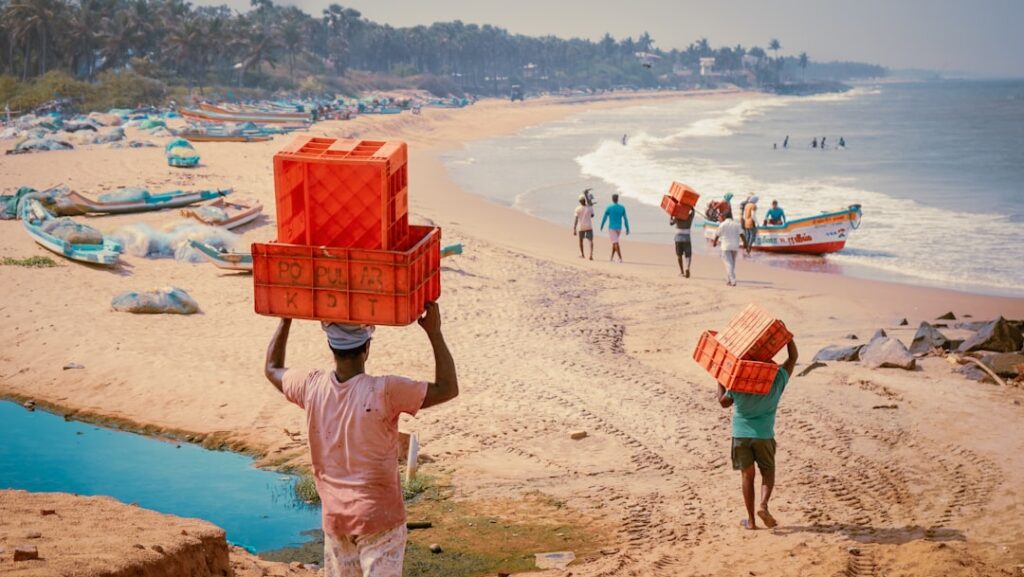
La costa continental de la India se extiende por aproximadamente 7,500 km. El subcontinente tiene mares en 3 lados, y su extremo sur se adentra en el océano Índico, con la bahía de Bengala al este y el mar Arábigo al oeste. Esta geografía no es solo hermosa. Es el cimiento de una cultura gastronómica que la mayoría de las personas fuera del cinturón costero nunca ha experimentado por completo.

Las regiones costeras de la India incluyen Goa, Gujarat, Maharashtra, Kerala, Bengala Occidental, Odisha, Tamil Nadu, Karnataka y Andhra Pradesh, y cada parte tiene sus propias tradiciones culinarias e ingredientes locales que añaden riqueza y sabor a los platos. La variedad en estas regiones es verdaderamente notable.
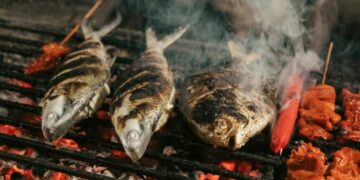
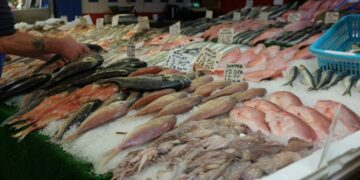
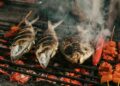
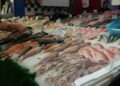
La cocina costera de la India ofrece mariscos frescos como pescados, langostinos, cangrejos, langostas, almejas y calamares. El pescado y el arroz son un alimento básico en las regiones costeras, y el coco es uno de los ingredientes principales, utilizado como coco fresco, crema de coco, leche de coco o aceite de coco. Estos no son simplemente ingredientes. Son los pilares de identidades culturales enteras.
Las regiones que merecen más reconocimiento
Goa a menudo ocupa el primer lugar en cualquier conversación sobre la cocina costera india. Sin embargo, hay mucho más territorio por explorar. Los platos de mariscos en Mangalore son conocidos por su versatilidad y su capacidad para adaptarse tanto a especias intensas como a salsas a base de coco. Un plato destacado es el curry de pescado de Mangalore, hecho con una mezcla de chiles rojos, tamarindo y coco; a menudo se sirve neer dosa, una delicada crepa a base de arroz, junto con estos curries.

Más arriba en la costa, el estado costero de Maharashtra ofrece una amplia variedad de platos de mariscos, desde la región de Konkan hasta Mumbai. La cocina konkani es conocida por preparaciones como el bombil fry y el cangrejo xec xec, un curry de cangrejo picante, mientras que la comida callejera de Mumbai incluye seafood bhel puri, una querida mezcla de arroz inflado, especias y mariscos frescos.
En la costa este, las tradiciones son igual de ricas pero mucho menos documentadas. La costa este tiene el hilsa, que es el pescado más sabroso de la India, pero solo está disponible por temporada. En Bengala Occidental, este pescado tiene un profundo significado cultural. Aparece en celebraciones, en mesas familiares y en recetas transmitidas de una generación a la siguiente.
Andhra, Tamil Nadu y el poder de las especias
Andhra Pradesh es conocido por su cocina intensa, y su oferta de mariscos es rica en especias y sabores agridulces. El curry de pescado de Andhra, con chiles rojos, tamarindo y especias aromáticas, es un plato emblemático, y el chepala pulusu es un guiso de pescado picante y ácido. El arte en la cocina costera de Andhra Pradesh reside en su habilidad para impactar con especias manteniendo al mismo tiempo un equilibrio que resalta la frescura de los mariscos.
En Tamil Nadu, uno de los platos más notables es el Chettinad prawn masala. La cocina de Chettinad es bien conocida por su uso de especias, y los langostinos se marinan en chile rojo en polvo, cúrcuma y cilantro antes de cocinarse en una salsa espesa y sabrosa. La adición de leche de coco y hojas de curry le da un carácter distintivo del sur de la India al plato.
El meen kuzhambu de Tamil Nadu es un curry de pescado picante hecho con tamarindo, tomates y especias, que muestra los sabores audaces que definen a esta región. Estos platos comparten una cualidad: están construidos sobre el conocimiento que las comunidades pesqueras desarrollaron durante muchas generaciones.
-





Perspectiva experta sobre la cocina costera
Las tradiciones alimentarias costeras de la India se encuentran entre las más estructuralmente complejas del mundo. Cada región a lo largo de la costa ha desarrollado su propio vocabulario de especias, sus propios métodos de conservación y su propia relación con el mar. Lo que llamamos "mariscos indios" en un restaurante en el extranjero suele ser solo 1 o 2 platos de Goa o Kerala. El mapa real es mucho más amplio. Los guisos de pescado con mucho tamarindo de Andhra, las salsas de coco y chile de Mangalore, las preparaciones a base de mostaza de Odisha y el pescado en escabeche de Gujarat de comunidades como los Kharwa, representan sistemas culinarios completamente separados. Cuando los profesionales de la gastronomía hablan de proteger el patrimonio alimentario en la India, la cocina costera debe estar en el centro de esa conversación. La diversidad aquí es un recurso nacional.
Perspectiva de la industria, profesionales de la gastronomía y el patrimonio culinario en la India
La historia económica detrás del plato
La escala del sector pesquero de la India refleja lo central que es realmente esta cultura alimentaria. Se proyecta que el mercado de mariscos de la India crezca a una tasa compuesta anual (CAGR) del 7.51% de 2025 a 2033, alcanzando un valor de USD 25.2 mil millones, impulsado por el creciente consumo consciente de la salud y la expansión de la demanda de la clase media.
Las exportaciones de mariscos de la India alcanzaron un récord tanto en volumen como en valor durante 2025 a 2026, llegando a 19,72,018 toneladas métricas por un valor aproximado de 73,890 millones de rupias. Esto no es solo una cifra económica. Señala que el mundo quiere lo que producen las costas de la India.
El gobierno indio ha formalizado activamente el patrimonio alimentario como un motor turístico principal. El Ministerio de Turismo organizó la cuarta edición de World Food India en septiembre de 2025, bajo el lema "Revitalizando los tesoros culinarios de la India", para posicionar los ingredientes indígenas y las tradiciones con sello GI ante compradores y turistas internacionales. La cocina costera es el corazón de este esfuerzo.

Kerala y la costa del coco
Ninguna exploración de la cocina costera en la India está completa sin Kerala. Un plato célebre de Kerala es el Karimeen Pollichathu, preparado con el pez mojarra perlada. Esta es una variedad rara de pescado, lo que hace que el plato sea particularmente especial. Se realizan incisiones hábiles en el pescado, que luego se marina en especias y se cocina al vapor en hojas. El vapor se hace con cuidado para que los sabores distintos de las especias no se desvanezcan.
El método de cocina de Kerala es una lección de moderación. Las especias trabajan con el pescado, no contra él. Las cocinas costeras de la India son un testimonio de la notable diversidad del país, tanto en términos de vida marina como de las tradiciones culinarias que han evolucionado durante siglos. Ya sea que esté probando los sabores infusionados con coco de Kerala o las especias ardientes de Andhra Pradesh, cada región costera tiene una historia única que contar a través de sus platos de mariscos.
Esta filosofía conecta el conocimiento antiguo con la mesa moderna. Es la razón por la que los jóvenes chefs de toda la India están volviendo a la cocina costera no como una curiosidad regional, sino como una tradición viva y vibrante que vale la pena celebrar.

La cocina costera merece su lugar en el centro
La cocina costera de la India no es una nota al pie en la historia alimentaria del país. Es uno de los capítulos más importantes. Desde las preparaciones de pescado con mostaza de Bengala hasta los curries de coco de Kerala y los guisos de tamarindo picantes de Andhra Pradesh, cada plato lleva consigo la historia de una comunidad. Explore la cocina costera la próxima vez que se siente a la mesa en la India. Pregúntele al cocinero sobre el pescado, las especias y el método. Descubrirá que cada respuesta lo conecta con algo antiguo, algo orgulloso y algo muy vivo. Pruebe 1 plato costero nuevo esta semana y comparta la tradición con alguien que ama.
Descubre más sobre la cocina costera
- Autoridad de Desarrollo de Exportación de Productos Marinos (MPEDA), Gobierno de la India
- Análisis de tamaño, participación y crecimiento del mercado de mariscos de la India 2025 a 2033, IMARC Group
- Las exportaciones de mariscos de la India alcanzan un máximo histórico en valor y volumen en 2025 a 2026, Business Standard
Publicado originalmente en INDIAwebzine.