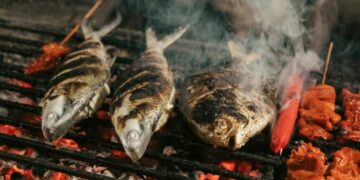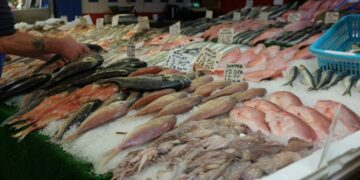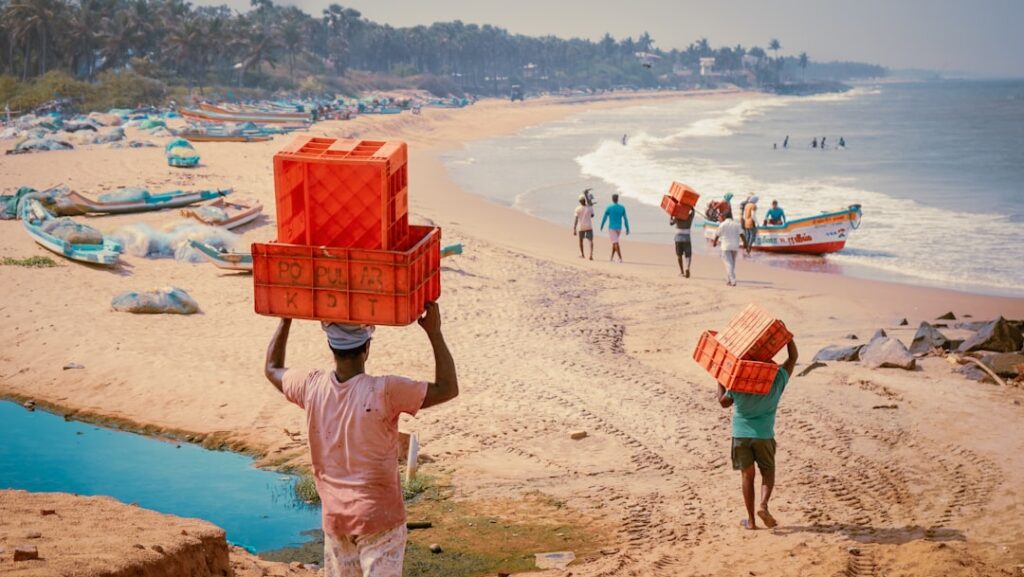
Die Küstenküche in Indien birgt eine Tiefe an Traditionen rund um Meeresfrüchte, die die lange Küstenlinie des Landes über Jahrhunderte hinweg im Stillen bewahrt hat, und sie verdient weit mehr Aufmerksamkeit, als sie erhält.
Eine Küstenlinie, die für Geschmack geschaffen wurde
Indiens Festlandküste erstreckt sich über etwa 7,500 km. Der Subkontinent ist an 3 Seiten von Meeren umgeben, und sein südlicher Rand reicht bis in den Indischen Ozean, mit dem Golf von Bengalen im Osten und dem Arabischen Meer im Westen. Diese Geografie ist nicht nur schön. Sie ist das Fundament einer Esskultur, die die meisten Menschen außerhalb des Küstengürtels nie vollständig erlebt haben.

Zu den Küstenregionen Indiens zählen Goa, Gujarat, Maharashtra, Kerala, Westbengalen, Odisha, Tamil Nadu, Karnataka und Andhra Pradesh, und jeder Teil hat seine eigenen kulinarischen Traditionen und lokalen Zutaten, die zur Vielfalt und zum Geschmack der Gerichte beitragen. Die Vielfalt in diesen Regionen ist wirklich bemerkenswert.
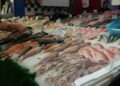
Die indische Küstenküche bietet frische Meeresfrüchte wie Fisch, Garnelen, Krabben, Hummer, Muscheln und Tintenfisch. Fisch und Reis sind in allen Küstenregionen ein Grundnahrungsmittel, und Kokosnuss ist eine der Hauptzutaten, die als frische Kokosnuss, Kokoscreme, Kokosmilch oder Kokosöl verwendet wird. Dies sind nicht einfach nur Zutaten. Sie sind die Bausteine ganzer kultureller Identitäten.
Die Regionen, die mehr Anerkennung verdienen
Goa nimmt in jedem Gespräch über die indische Küstenküche oft den ersten Platz ein. Doch es gibt noch so viel mehr Gebiet zu erkunden. Meeresfrüchtegerichte in Mangalore sind bekannt für ihre Vielseitigkeit und ihre Fähigkeit, sowohl feurige Gewürze als auch Saucen auf Kokosnussbasis zu integrieren. Ein herausragendes Gericht ist das Mangaloreaner Fischcurry, das mit einer Mischung aus roten Chilis, Tamarinde und Kokosnuss zubereitet wird, und Neer Dosa, ein zarter Crêpe auf Reisbasis, wird oft zu diesen Currys serviert.

Weiter oben an der Küste bietet der Küstenstaat Maharashtra eine große Vielfalt an Meeresfrüchtegerichten, von der Konkan-Region bis nach Mumbai. Die Konkani-Küche ist bekannt für Zubereitungen wie Bombil Fry und Crab Xec Xec, ein würziges Krabbencurry, während das Streetfood in Mumbai Meeresfrüchte-Bhel Puri umfasst, eine beliebte Mischung aus Puffreis, Gewürzen und frischen Meeresfrüchten.
An der Ostküste sind die Traditionen ebenso reichhaltig, aber weitaus weniger dokumentiert. Die Ostküste hat Hilsa, den wohl schmackhaftesten Fisch Indiens, der jedoch nur saisonal erhältlich ist. In Westbengalen hat dieser Fisch eine tiefe kulturelle Bedeutung. Er erscheint bei Feiern, an Familientischen und in Rezepten, die von einer Generation an die nächste weitergegeben werden.
Andhra, Tamil Nadu und die Kraft der Gewürze
Andhra Pradesh ist für seine feurige Küche bekannt, und sein Angebot an Meeresfrüchten ist reich an Gewürzen und pikanten Aromen. Andhra Fischcurry mit roten Chilis, Tamarinde und aromatischen Gewürzen ist ein Markenzeichen, und Chepala Pulusu ist ein säuerlich-würziger Fischeintopf. Die Kunstfertigkeit der Küstenküche von Andhra Pradesh liegt in ihrer Fähigkeit, mit Gewürzen kräftige Akzente zu setzen und gleichzeitig eine Balance zu wahren, die die Frische der Meeresfrüchte unterstreicht.
In Tamil Nadu ist eines der bemerkenswertesten Gerichte Chettinad Prawn Masala. Die Chettinad-Küche ist bekannt für ihren Gewürzeinsatz, und die Garnelen werden in rotem Chilipulver, Kurkuma und Koriander mariniert, bevor sie in einer dicken, aromatischen Sauce gekocht werden. Die Zugabe von Kokosmilch und Curryblättern verleiht dem Gericht einen ausgeprägten südindischen Charakter.
Meen Kuzhambu aus Tamil Nadu ist ein scharfes Fischcurry, das mit Tamarinde, Tomaten und Gewürzen zubereitet wird und die kräftigen Aromen zeigt, die diese Region definieren. Diese Gerichte teilen eine Eigenschaft: Sie basieren auf Wissen, das Fischergemeinschaften über viele Generationen hinweg entwickelt haben.

Expertenperspektive auf die Küstenküche
Indiens kulinarische Küstentraditionen gehören zu den strukturell komplexesten der Welt. Jede Region entlang der Küste hat ihr eigenes Gewürzvokabular, ihre eigenen Konservierungsmethoden und ihre eigene Beziehung zum Meer entwickelt. Was wir im Ausland in einem Restaurant als „indische Meeresfrüchte“ bezeichnen, sind oft nur 1 oder 2 Gerichte aus Goa oder Kerala. Die echte Landkarte ist weitaus größer. Andhras Fischeintöpfe mit viel Tamarinde, Mangalores Kokos-Chili-Saucen, Odishas Zubereitungen auf Senfbasis und Gujarats pikant eingelegter Fisch von Gemeinschaften wie den Kharwa repräsentieren völlig eigenständige kulinarische Systeme. Wenn Gastronomieprofis über den Schutz des kulinarischen Erbes in Indien sprechen, muss die Küstenküche im Mittelpunkt dieses Gesprächs stehen. Die Vielfalt hier ist eine nationale Ressource.
Branchenperspektive, Fachleute für Gastronomie und kulinarisches Erbe in Indien
Die wirtschaftliche Geschichte hinter dem Teller
Das Ausmaß des indischen Meeresfrüchtesektors spiegelt wider, wie zentral diese Esskultur tatsächlich ist. Der indische Markt für Meeresfrüchte soll von 7.51 bis 2025 mit einer jährlichen Wachstumsrate von 2033% wachsen und einen Wert von USD 25.2 Milliarden erreichen, angetrieben durch einen gesundheitsbewussteren Konsum und die wachsende Nachfrage der Mittelschicht.
-




Indiens Meeresfrüchteexporte erreichten im Zeitraum von 2025 bis 2026 einen Rekordwert bei Menge und Wert und erreichten 19,72,018 Tonnen im Wert von etwa 73,890 Crore Rupien. Das ist nicht nur eine wirtschaftliche Zahl. Es signalisiert, dass die Welt will, was Indiens Küsten produzieren.
Die indische Regierung hat das kulinarische Erbe aktiv als primären Tourismusfaktor formalisiert. Das Tourismusministerium organisierte im September 2025 die 4. Ausgabe von World Food India unter dem Motto „Reviving the Culinary Treasures of India“, um indigene Zutaten und Traditionen mit GI-Siegel bei internationalen Einkäufern und Touristen zu positionieren. Die Küstenküche steht im Mittelpunkt dieses Bemühens.

Kerala und die Kokosnussküste
Keine Erkundung der Küstenküche in Indien ist ohne Kerala vollständig. Ein berühmtes Gericht aus Kerala ist Karimeen Pollichathu, das mit dem Perlenfisch zubereitet wird. Dies ist eine seltene Fischart, die das Gericht besonders macht. Geschickte Einschnitte werden in den Fisch gemacht, der dann in Gewürzen mariniert und in Blättern gedämpft wird. Das Dämpfen erfolgt sorgfältig, damit die unverwechselbaren Aromen der Gewürze nicht verblassen.
Keralas Kochmethode ist eine Lektion in Zurückhaltung. Die Gewürze arbeiten mit dem Fisch zusammen, nicht dagegen. Indische Küstenküchen sind ein Zeugnis für die bemerkenswerte Vielfalt des Landes, sowohl in Bezug auf die Meeresbewohner als auch auf die kulinarischen Traditionen, die sich über Jahrhunderte hinweg entwickelt haben. Egal, ob Sie die kokosnussinfundierten Aromen von Kerala oder die feurigen Gewürze von Andhra Pradesh probieren, jede Küstenregion hat durch ihre Meeresfrüchtegerichte eine einzigartige Geschichte zu erzählen.
Diese Philosophie verbindet altes Wissen mit dem modernen Tisch. Es ist der Grund, warum junge Köche in ganz Indien die Küstenküche heute nicht mehr als regionale Kuriosität betrachten, sondern als eine lebendige Tradition, die es zu feiern gilt.

Die Küstenküche verdient ihren Platz im Zentrum
Indiens Küstenküche ist keine Fußnote in der kulinarischen Geschichte des Landes. Sie ist eines der wichtigsten Kapitel. Von den mit Senf verfeinerten Fischzubereitungen Bengalens bis hin zu den Kokoscurrys aus Kerala und den feurigen Tamarindeneintöpfen aus Andhra Pradesh trägt jeder Teller die Geschichte einer Gemeinschaft. Entdecken Sie die Küstenküche beim nächsten Mal, wenn Sie an einem Tisch in Indien sitzen. Fragen Sie den Koch nach dem Fisch, den Gewürzen und der Zubereitungsart. Sie werden feststellen, dass jede Antwort Sie mit etwas Uraltem, Stolzem und sehr Lebendigem verbindet. Probieren Sie diese Woche ein neues Küstengericht und teilen Sie die Tradition mit jemandem, den Sie lieben.
Erfahren Sie mehr über Küstenküche
- Marine Products Export Development Authority (MPEDA), Regierung von Indien
- Marktgröße, Anteil und Wachstumsanalyse für Meeresfrüchte in Indien 2025 bis 2033, IMARC Group
- Indiens Meeresfrüchteexporte erreichen Rekordwerte bei Wert und Menge in 2025 bis 2026, Business Standard
Ursprünglich veröffentlicht auf INDIAwebzine.