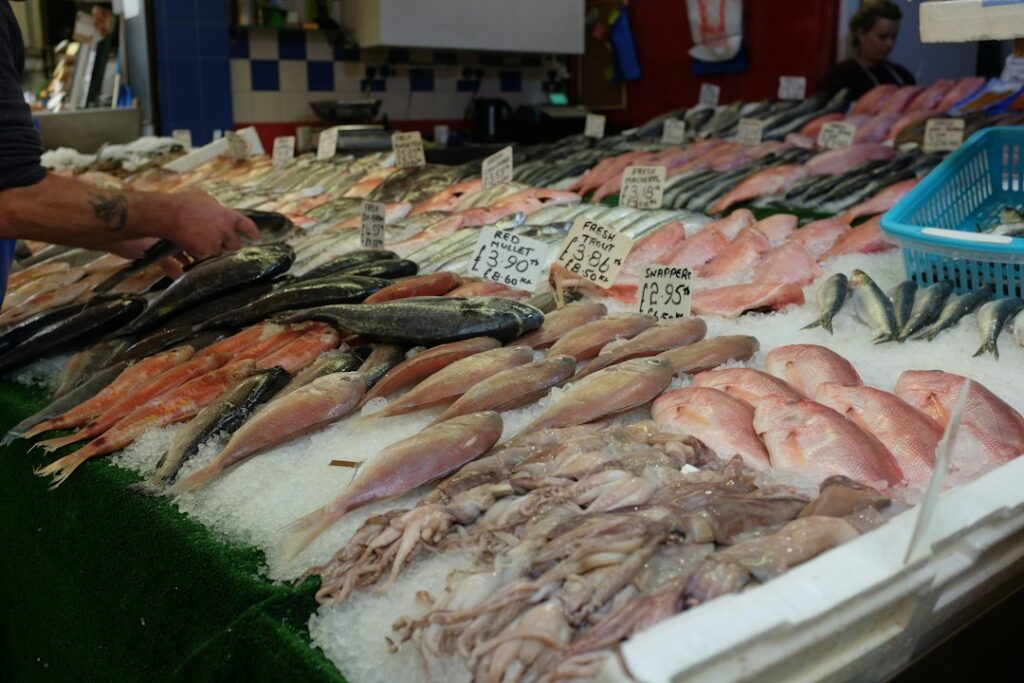
Autumn brings cooler water and heavier catches to Dubai's seafood market, but it does not automatically bring lower prices. The Waterfront Market on the Deira Corniche still runs its live auction every morning, and the going rate for hammour or kingfish depends on who got to the boats first, not on the month printed on a calendar. Shoppers who understand the stalls and the recent price history get noticeably better deals than those who simply walk up to the nearest counter and pay what is asked.

Waterfront Market sets Dubai's seafood baseline
Waterfront Market is the city's reference point for almost every seafood price conversation. The market trades an average of 800-plus tonnes of fresh food daily, including 600-plus tonnes of seafood, connecting over 800 traders with households, restaurants, and food businesses. Over 500 seafood traders offer more than 260 varieties, from popular Dubai favourites like Hamour and King Fish to unique catches such as Seabream and Emperor Fish.
On the floor, prices still reward anyone willing to negotiate. A kilo of hammour runs around 45 AED at some stalls, a kilo of shark is about 25 AED, and a kilo of crab sits near 25 AED as well. Broader market guides put the range wider, with kingfish at AED 35-50 per kg, hammour at AED 40-70 per kg, shrimps at AED 25-45 per kg, crabs at AED 20-35 per kg, and pomfret at AED 50-80 per kg. The spread exists because every stall sets its own tag, and the first offer is rarely the final one.
Why hammour jumped past 55 AED last autumn
Season alone does not explain Dubai's fish prices. In 2024, vendors at Dubai markets reported sharp increases that had nothing to do with weather and everything to do with regional disruption. Vendors explained that the ongoing regional conflict had led to fewer boats venturing into the ocean, resulting in limited stock.

One trader described the usual autumn pattern breaking down entirely. Another vendor said the prices of some seafood varieties had surged instead of falling, noting that prices usually decrease at this time of year due to the abundant catch, but that particular year was different. He noted that the price of a fresh large hammour, typically between Dh25 to Dh35 per kg, had soared to over Dh55 at most stalls. That single data point matters because it shows the floor price can double in a matter of weeks whenever boat traffic drops, regardless of the season printed on any seasonal buying guide.
The sustainability catch most shoppers overlook
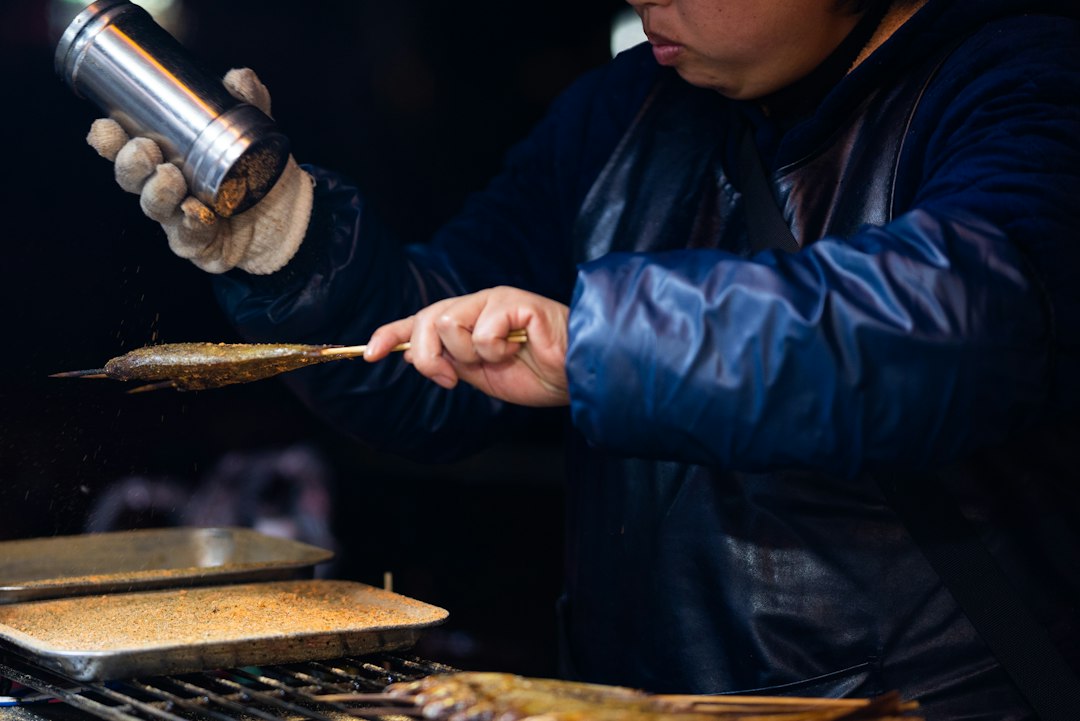
Here is the objection worth taking seriously: hammour, the fish every price guide leads with, is also the species UAE conservation groups have flagged hardest. The Emirates Wildlife Society, working with WWF, built a consumer guide specifically because of this. The booklet lists fish species in three categories: green, orange and red, signifying species that are ethical choices, those allowed in moderation and those to avoid. Diners who choose sustainable alternatives help relieve pressure on some of the country's most popular and severely overfished species, such as hammour, also known as orange-spotted grouper.
The scale of the problem is not vague. The UAE has a high demand for fish, with 66% of residents eating fish at least once a week, and Hamour, or Orange-spotted Grouper, is fished out at over 7 times the sustainable level. That does not mean hammour disappears from every list. It means a shopper who wants to act on the sustainability argument has a genuine, named alternative to ask for at the counter: yellow fin seabream (shaam) or blackspotted rubberlip (hilali), both added to the green category of the same guide. The trade-off is real: these alternatives are less familiar in home kitchens, and not every stall stocks them in quantity.
Market stalls still beat the supermarket counter
For shoppers who stay with hammour anyway, the price comparison between the market and the supermarket chain is stark. A one-kilogram pack of fresh hamour at Carrefour UAE lists at AED 70.99 per kg. Spinneys prices its fresh UAE whole hamour at Currency 107.50 per kg, more than double what a Waterfront Market stall charges on an ordinary morning. The gap holds even after accounting for bargaining room lost at a fixed supermarket price tag, and it is the clearest reason the market still draws queues before the 11 pm deep-clean hour each night.
-






What changes once a reader accepts this is simple: check the Waterfront Market price before assuming any fixed number, ask specifically whether the catch came in that morning, and keep one sustainable alternative in mind before defaulting to hammour out of habit. Go early, since the freshest stock and the most flexible prices both show up before the midday rush. Bring small notes for bargaining, and if the price looks inflated compared to the ranges above, that is often the regional supply story repeating itself rather than a fixed autumn premium.
Learn more about seafood market
- Dubai's Waterfront Market: Fresh food and unbeatable prices
- Fish prices rise in UAE? Some markets see hike in rates, while others keep it steady
- Three fish added to sustainable seafood guide's safe-to-eat list
Publicado originalmente en DUBAIwebzine.