Sanma disappears from Tokyo menus for most of the year, then takes over supermarket counters, festival grills and sushi bars within a matter of weeks. The fish spends spring and summer far offshore before turning south in autumn, and that migration is when the biggest hauls land in Japan. Prices and volumes now swing hard from one season to the next, so where you eat it, and how early you show up, decides whether you get a fat September fish or a thin, expensive disappointment.

This list sticks to places where the gap between catch and plate is short, not restaurants that simply print sanma on a seasonal menu. Each one asks something different of you, an early alarm, a long queue, or just a willingness to cook it yourself, so match the entry to how much hassle you want this autumn.
### Sushi Dai, Toyosu Market
Even back at the old Tsukiji Market, long lines for the famous Sushi Dai were a familiar sight, and the restaurant remains just as popular after moving to Toyosu, officially open from 6 AM to 2 PM. On weekdays it usually wraps up around 11 AM, and on Saturdays or holidays it can sell out as early as 9 AM. One set served to visitors recently included otoro, anago, uni, tai and sanma together, so the saury appears as part of a broader seasonal selection rather than a dedicated sanma shop. Arrive before the market opens if you want a seat without a multi-hour wait.

### Daiwa Sushi and Yamazaki, inside Toyosu Market
If the Sushi Dai queue looks impossible, two other counters inside the same market building are worth the walk. Daiwa Sushi is a very well-known sushiya-style shop with counter seating only, and its sushi prepared with premium tuna is genuinely impressive. Yamazaki, meanwhile, moved to Toyosu after more than forty years at its original Tsukiji location, which means decades of relationships with the same fish dealers. Both serve seasonal nigiri sets that rotate with the catch, so ask what came in that morning before ordering.
### Meguro Sanma Festival
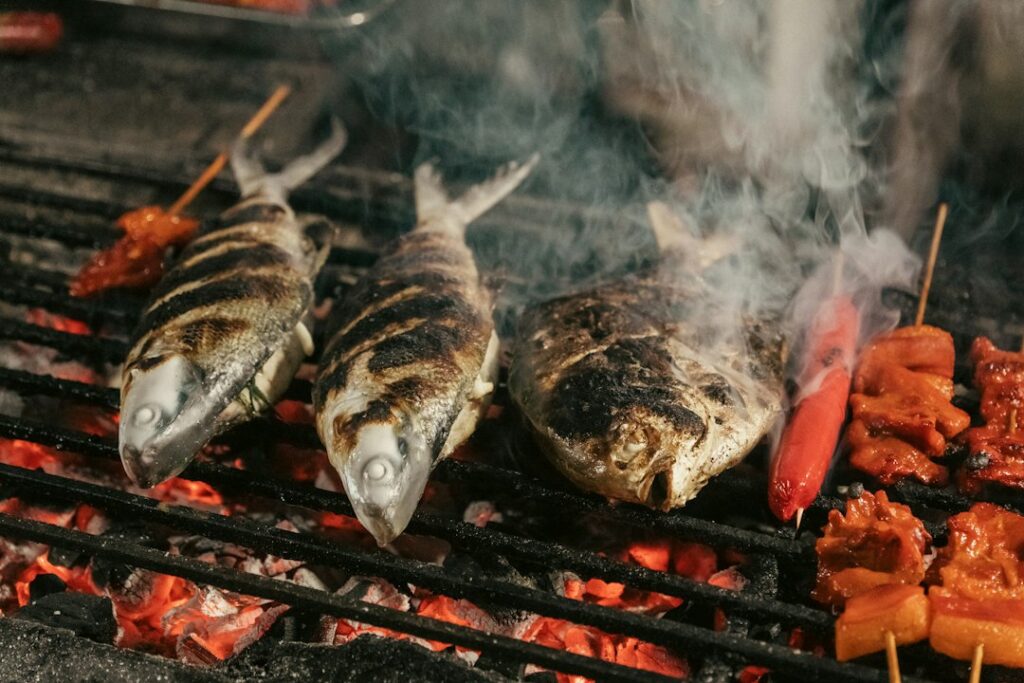
Every year Tokyo has its Sanma festival, with the 2025 edition held on October 12th from 10:00am to 2:30pm, and on this day you get a grilled fish completely free of charge. Around 7,000 sanma fished in Iwate prefecture's Port of Miyako are served for free, charcoal grilled and served simply with salt, grated daikon radish and sudachi. The festival began in 1996, and every year tens of thousands of people gather to eat sanma in Meguro. Arrive a few hours early to line up, because the queue for free sanma gets long fast.



### Meguro Kumin Matsuri sanma stall
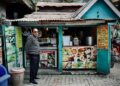
Fewer visitors know that Meguro ward runs a second free sanma giveaway the same season, folded into its wider community festival. About 5,000 sanma from Miyagi prefecture's city of Kesennuma are grilled and served for free at this event, sourced from a different port than the main October festival. It draws a smaller, more local crowd than the headline Sanma Matsuri, which makes it a reasonable backup if you miss the bigger date or cannot face the main queue.
### A neighborhood izakaya shioyaki set near Meguro Station
For a sit-down version without a festival ticket, a handful of small, family-run izakaya near Meguro Station keep salt-grilled saury on the lunch menu through autumn. One cozy spot offers a fantastic salt-grilled saury lunch set, paired with sides like cabbage and macaroni salad, miso soup, rice and pickles at reasonable prices. These places rarely take reservations for solo diners, but expect a short wait at peak lunch hours since seating is limited.
### Ginza sushi counters, for the first catch of the year
If budget is not the constraint, chasing the very first sanma of the season is its own small ritual among serious sushi fans. Midway through July, sparse early hauls were selling for an eye-popping ¥100,000 per kilo, or ¥12,500 per fish, at Tokyo's Toyosu Fish Market, and most of those fish were bought up by high-end sushi eateries in Taiwan, while some went to sushi restaurants in Ginza and other parts of Tokyo. By September the price drops sharply as volume increases, but a handful of Ginza counters still mark the arrival of the season's first sanma as an event worth a premium seat.
### Buying fresh and grilling it at home
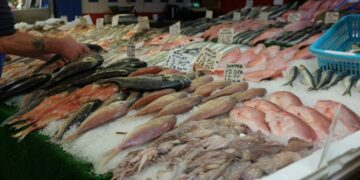
The cheapest and often most reliable route is the one most Tokyo households already use. By early September fresh saury had begun appearing in supermarkets around ¥350 per fish, and in a more typical recent year they were selling for approximately ¥299 each in supermarkets in Tokyo. Look for plump bodies, glossy shiny skin, firm texture, bright clear eyes and full bellies as the signs of top quality before you buy, then grill it simply with salt and serve it with grated daikon.
How to choose between them
Pick by schedule and tolerance for queues rather than by ambition alone. Early risers chasing the freshest, most market-direct fish should head to Toyosu before 9am on a weekday, since weekend stock at Sushi Dai, Daiwa Sushi or Yamazaki can vanish within hours of opening. If you want the experience without spending anything, build a trip around the Meguro Sanma Festival in October and arrive early to beat the line, with the Kumin Matsuri stall as backup. For a relaxed, no-fuss dinner, a neighborhood izakaya shioyaki set near Meguro Station costs little and needs no planning, while a Ginza counter in July or early August suits anyone who wants to say they tried the very first catch of the year at any price. Cooking at home remains the cheapest and most forgiving option, provided you check the fish's eyes and skin before you buy.
Learn more about sanma season
- Autumn Cravings: Premium Pacific Saury Remain Elusive this Year
- Meguro Sanma Festival 2025
- Toyosu Fish Market Dining Guide
Ursprünglich veröffentlicht auf TOKYOwebzine.