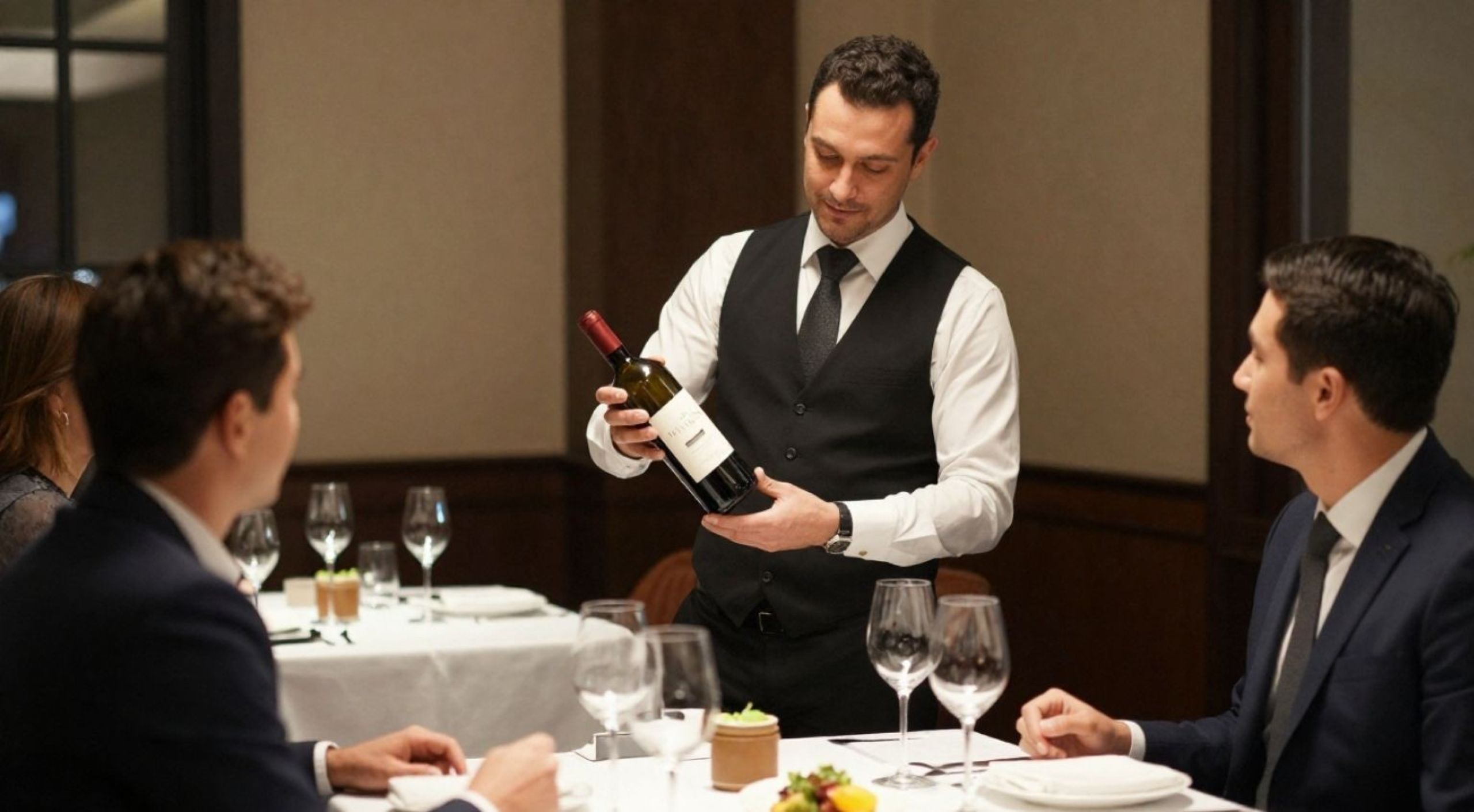
Wine program management determines restaurant profitability as beverage sales generate 25-35% margins exceeding food substantially. Furthermore, well-curated wine lists enhance dining experiences while trained staff drive sales through knowledgeable recommendations. Indeed, understanding wine program fundamentals transforms beverage operations from afterthought to profit center.
What Makes Restaurant Wine Programs Profitable?
Restaurant wine programs contribute 30-40% total revenue when managed properly. Consequently, beverage margins reach 65-75% compared to 30% food costs. Industry benchmarks show $3-4 wine sales per food dollar optimal.

Additionally, wine enhances perceived value and dining experience quality. Therefore, customers spend more overall when wine programs excel. Moreover, wine reputation attracts clientele and influences restaurant selection.
Staff training investment returns 300-500% through increased sales conversion. For instance, knowledgeable servers suggest appropriate pairings confidently increasing. Thus, educated staff sell more bottles versus by-the-glass servings.
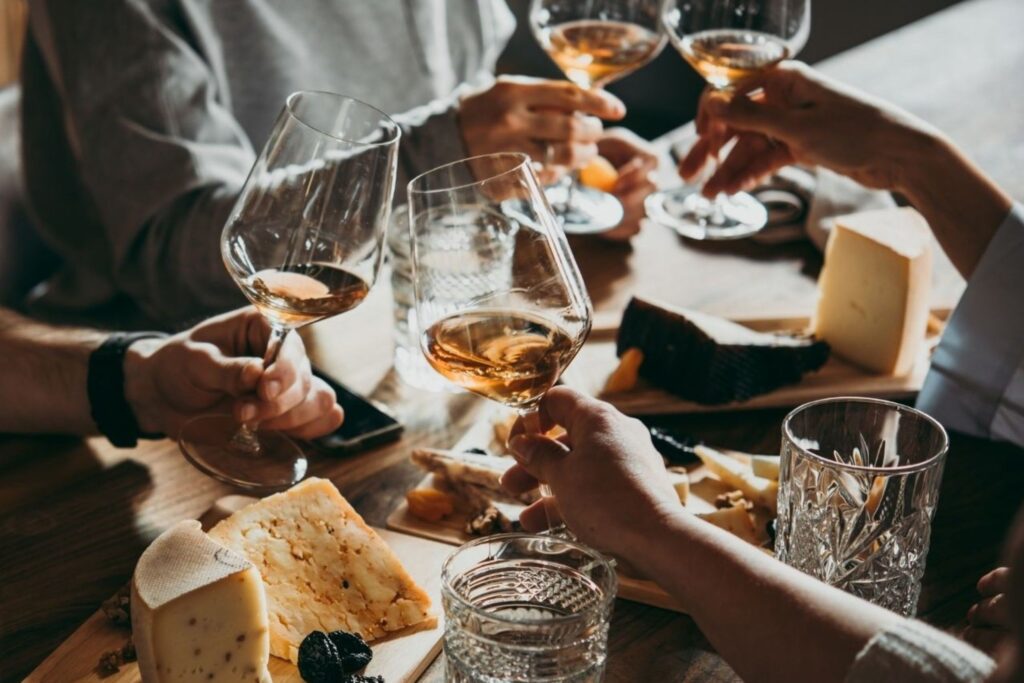
How Do You Build Profitable Wine Lists?
Target market analysis determines price points and selection scope. Furthermore, casual dining requires 30-50 selections while fine dining. Premium restaurants maintain 200-500+ bottle inventories catering collectors.
Pricing strategy balance offers entry-level, mid-range, and premium options. However, three-tier structure ensures accessibility while maximizing revenue. Also, lowest-priced wines should deliver quality preventing reputation damage.
By-the-glass program drives volume sales with 8-12 rotating selections. Meanwhile, Coravin systems enable premium glass pours without waste. Certainly, glass sales reach 60-70% total wine revenue typically.
Markup formulas vary by price tier optimizing perceived value. For instance, lower-priced bottles marked 200-300% while premium 150%. Besides, consistent margins across price ranges appear unfair customers.
Which Wine Selection Strategies Maximize Sales?
Food pairing focus ensures wines complement menu items naturally. Nevertheless, work with chef developing wine-friendly dishes strategically. Specifically, acid, tannin, and weight balance create successful pairings.
Regional variety represents global wine regions attracting diverse preferences. On the other hand, include Old World and New World styles. Additionally, lesser-known regions offer value and conversation starters.
Vertical selections offering multiple vintages same producer appeals enthusiasts. For example, Bordeaux verticals showcase terroir and aging potential. Besides, collector-focused programs justify premium pricing tiers.
Seasonal rotation refreshes by-the-glass offerings maintaining staff engagement. Thus, summer rosés and whites transition autumn reds naturally. Furthermore, limited availability creates urgency driving immediate purchases.
What Sommeliers Say About Wine Program Success?
Marc Almert, Master Sommelier, Paris
“Wine program profitability depends on staff training and list curation. Restaurant success requires balancing customer preferences with margin optimization. Additionally, wine education creates passionate advocates driving organic sales.”
“Our restaurant achieved 38% beverage-to-food ratio through training. Profitable wine lists offer something for everyone at appropriate prices. Furthermore, staff confidence translates directly to guest satisfaction and checks. Investment in wine education pays dividends beyond immediate revenue.”
Uruguayan Asado: Grill & Mate Culture
Uruguayan asado brings people together through slow-grilled meat and mate tea. Discover South American grill traditions and social rituals.
Belgian Fries: Best Potato Varieties
Belgian fries demand the right potatoes for that perfect crispy exterior and fluffy interior. Therefore, choosing the correct variety makes...

April Fools: Fish, Food & Fun Origins
April Fools has a secret and it smells like the sea. Every year on April 1, millions of people worldwide...
Beer Workshop Success in 7 Simple Steps
Planning a Beer Workshop combines two popular passions into one memorable event. Additionally, pairing craft brews with live music creates...
How Do You Train Restaurant Staff Effectively?
Regular tastings expose staff to wine list selections building familiarity. Therefore, weekly 30-minute sessions covering 3-4 wines suffice. Currently, blind tastings develop palate and descriptive vocabulary skills.
Product knowledge sheets provide talking points for each wine selection. However, include pronunciation, region, varietal, and food pairings. Also, story elements about producers create memorable selling points.
Suggestive selling techniques teach staff when and how recommending wines. For instance, “What are you drinking tonight?” opens conversations naturally. Besides, upselling strategies increase average check without seeming pushy.
Certification support for interested staff pursuing sommelier credentials. Nevertheless, WSET and Court of Master Sommeliers offer structured programs. Specifically, certified staff command higher wages and credibility.
What Inventory and Technology Systems Optimize Operations?
Par level management prevents stockouts while minimizing capital tied inventory. Meanwhile, automated reordering systems track consumption patterns accurately. Certainly, 2-3 weeks inventory turnover balances availability and cash flow.
Point-of-sale integration tracks sales data informing purchasing decisions. However, analyze velocity reports identifying slow-moving inventory monthly. Also, seasonal adjustments based on historical data prevent overstocking.
Wine management software including CellarTracker and BevSpot streamlines operations. For example, digital inventory reduces time spent counting manually. Besides, mobile apps enable floor staff accessing information instantly.
Vendor relationships negotiating payment terms and consignment arrangements strategically. Thus, net-30 or net-60 terms improve cash flow significantly. Furthermore, sale-or-return policies reduce risk on premium selections.
Temperature and storage maintaining proper conditions preserving wine quality. Nevertheless, 55-58°F consistent temperature prevents premature aging or spoilage. Specifically, humidity control and darkness protect cork integrity.
Waste reduction through portion control and proper storage techniques. Meanwhile, Coravin and argon preservation systems extend opened bottle life. Also, staff education on handling prevents breakage and oxidation.
Conclusion: Building Successful Restaurant Wine Programs
Wine program excellence drives restaurant profitability and reputation simultaneously. Moreover, profitable wine lists combined with trained staff maximize beverage revenue.
Curate selections balancing customer preferences with margin optimization carefully. Furthermore, invest in ongoing staff education creating confident wine ambassadors. Implement technology systems streamlining inventory and purchasing decisions.
Develop vendor partnerships ensuring quality, value, and favorable payment terms. Indeed, wine program success requires continuous attention and refinement. Build your profitable restaurant wine program for 2026 growth.