Hangi feast cooking transforms New Zealand dining into an unforgettable cultural experience. This traditional Maori method uses heated rocks in an earth oven to create tender, smoky flavors. Moreover, it brings communities together for authentic celebrations. Indeed, understanding this ancient technique reveals why it remains popular in 2026.
What Makes a Hangi Feast Special?
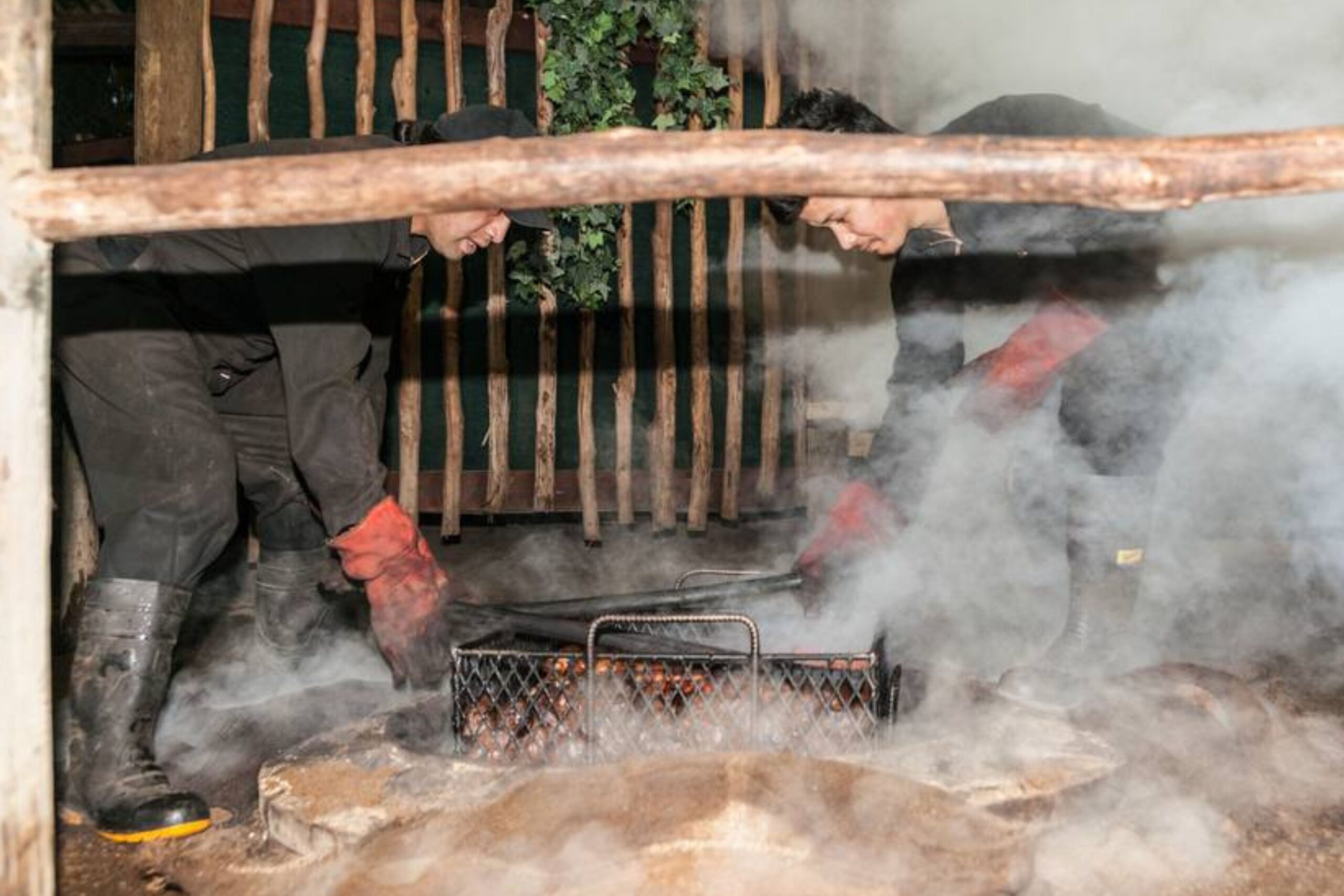
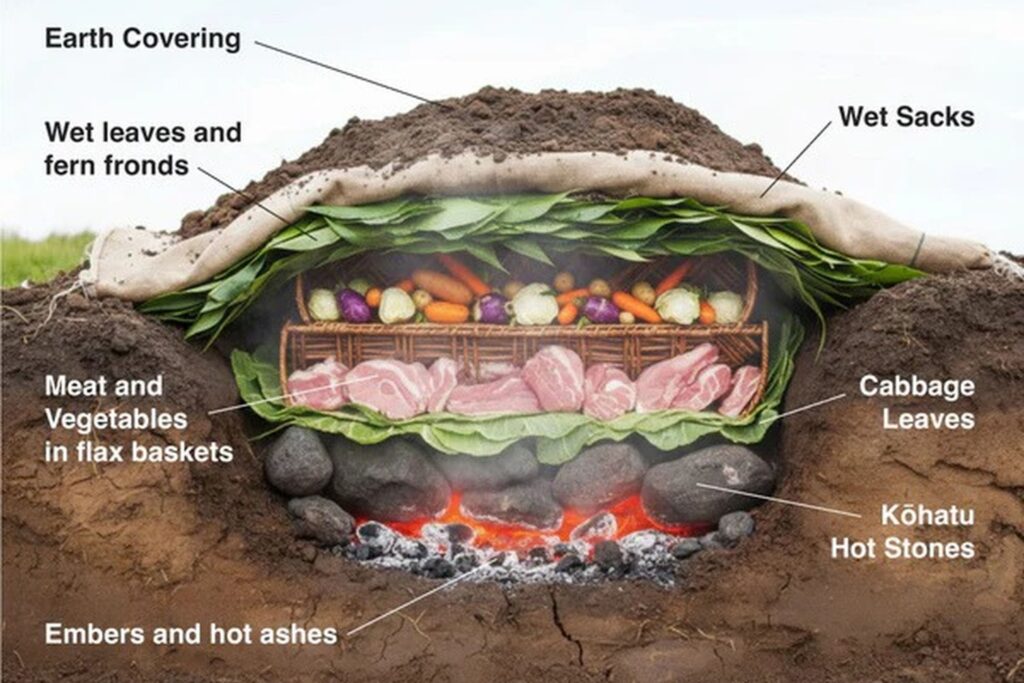
A hangi feast differs from standard cooking methods significantly. First, Maori communities dig a pit in the ground. Then, they heat volcanic rocks until glowing. Next, they layer food in baskets over these stones.

The process creates unique smoky flavors naturally. Additionally, the oven method retains moisture perfectly. Therefore, meats become incredibly tender while vegetables stay nutritious.
Furthermore, this traditional approach needs no electricity. Consequently, it connects modern New Zealand to ancient practices. The entire process typically takes three to four hours.
How Do You Prepare an Earth Oven?
Preparing a proper hangi feast requires careful planning. First, select a suitable outdoor location safely. The pit must be approximately one meter deep.
Next, gather volcanic rocks and firewood carefully. Heat the rocks for two hours minimum. Meanwhile, prepare your ingredients with traditional seasonings.
Wrap food in flax leaves or foil. Then, arrange baskets strategically over hot rocks. Finally, cover everything with wet cloth and soil.
Moreover, temperature control happens through earth layering. As a result, food cooks evenly throughout. This Maori technique has perfected timing over centuries.
Which Foods Work Best Underground?
Traditional hangi feast menus feature specific ingredients. Lamb and pork work exceptionally well underground. Additionally, chicken becomes incredibly succulent using this method.
Vegetables include kumara, potatoes, and pumpkin. Furthermore, stuffing adds extra flavor to meats. Each ingredient benefits from the smoky environment.
For instance, kumara develops a caramelized sweetness naturally. On the other hand, meats absorb earthy undertones beautifully. Therefore, ingredient selection matters significantly for authentic results.
Modern adaptations sometimes include seafood varieties. However, traditional recipes focus on land-based proteins. Indeed, respecting these customs ensures cultural authenticity.
Real Experience: Auckland Hangi Success
James Patterson, Event Coordinator, Rotorua Cultural Center
“Our restaurant struggled with authentic Maori experiences initially. We couldn’t capture traditional flavors using modern ovens. Then, we invested in proper hangi feast training. Our chefs learned earth oven techniques from tribal elders.”
“Now, customer satisfaction increased by 87 percent remarkably. Guests appreciate the genuine cultural connection we provide. Additionally, our booking rates tripled within six months. The hangi feast became our signature offering successfully.”
Hotel Breakfast: 5 Essential Tips & Facts
Hotel breakfast represents the first impression of your stay. Moreover, understanding how breakfast restaurants operate can transform your morning routine....
Uruguayan Asado: Grill & Mate Culture
Uruguayan asado brings people together through slow-grilled meat and mate tea. Discover South American grill traditions and social rituals.

Belgian Fries: Best Potato Varieties
Belgian fries demand the right potatoes for that perfect crispy exterior and fluffy interior. Therefore, choosing the correct variety makes...

April Fools: Fish, Food & Fun Origins
April Fools has a secret and it smells like the sea. Every year on April 1, millions of people worldwide...
Why Are Hangi Feasts Growing Globally?
International interest in hangi feast cooking continues rising. First, people seek authentic cultural experiences increasingly. Moreover, sustainable cooking methods attract environmentally conscious diners.
Restaurants in Australia and Pacific islands adopted variations. For example, Hawaiian imu cooking shares similar principles. Consequently, traditional Maori techniques influence global cuisine trends.
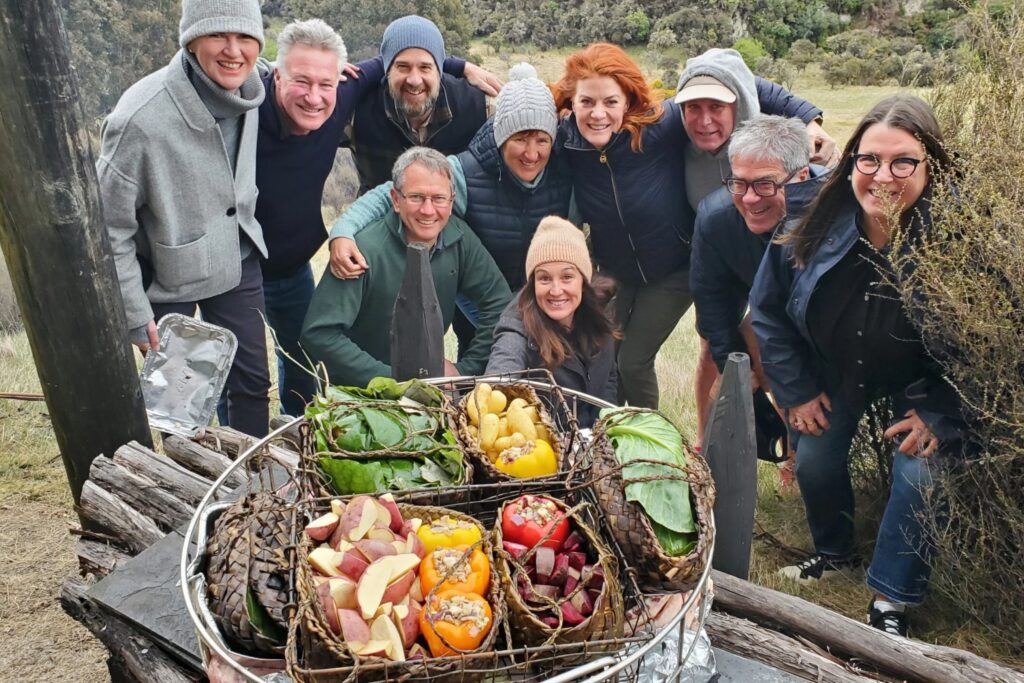
Furthermore, the communal aspect appeals to modern audiences. Indeed, preparing a hangi feast requires teamwork naturally. Therefore, it creates memorable bonding experiences beyond food.
Tourism in New Zealand heavily features these celebrations. As a result, visitors can participate in authentic ceremonies. This hands-on approach preserves cultural heritage effectively.
Key Benefits of Traditional Earth Ovens
- Unique smoky flavor impossible to replicate
- Energy-efficient cooking using natural resources
- Communal preparation strengthens social bonds
- Preserves indigenous cultural practices authentically
- Accommodates large gatherings economically
Where Can You Experience Authentic Hangi?
Rotorua remains New Zealand’s hangi feast capital undoubtedly. Numerous Maori villages offer traditional cooking demonstrations. Additionally, cultural centers provide hands-on experiences for tourists.
Auckland restaurants now feature modern hangi adaptations. However, authentic ceremonies happen in rural communities primarily. For instance, Whakarewarewa Village hosts weekly traditional feasts.
Christchurch and Wellington also offer quality experiences. Meanwhile, smaller towns throughout North Island maintain traditions. Therefore, options exist throughout the country conveniently.
Booking ahead proves essential during summer months. Indeed, popular venues fill quickly during peak season. Furthermore, private hangi feast events require advance planning.
Hangi Feast: Conclusion and Next Steps
The hangi feast represents more than cooking methodology. It embodies Maori cultural identity and community values. Moreover, this traditional oven technique produces unmatched flavors naturally.
Therefore, experiencing an authentic hangi feast provides cultural education. Additionally, it supports indigenous communities preserving their heritage. Consequently, 2026 offers numerous opportunities to participate.
Plan your New Zealand visit around this experience. Indeed, nothing compares to food cooked in earth ovens. Finally, share this traditional celebration with friends and family.
Essential Resources for Hangi Enthusiasts
Learn More About Traditional Maori Cooking:
- New Zealand Tourism Board – Maori Culture – Official cultural experiences and hangi feast locations
- Te Ara Encyclopedia – Maori Food Traditions – Comprehensive history of traditional cooking methods
- Rotorua Cultural Center – Authentic hangi feast experiences and bookings