

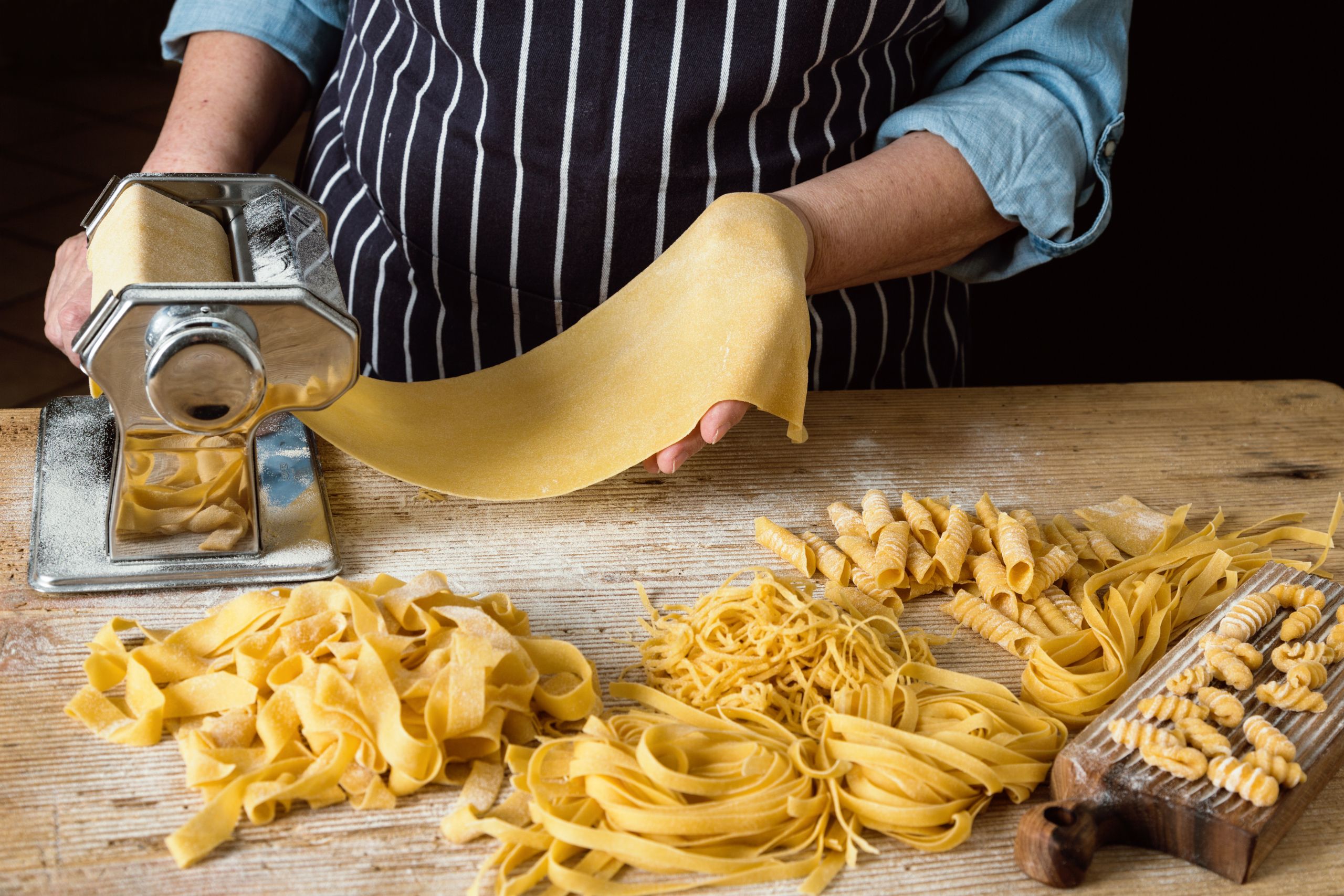
新鲜意大利面面团应该使用什么面粉?
面粉的选择对面团的质地有直接影响。大多数意大利家庭厨师使用"00"型面粉,这是一种非常细致研磨的软小麦面粉。它能生成光滑、富有弹性的面团,易于擀开,烹饪后具有柔软丝滑的质地。
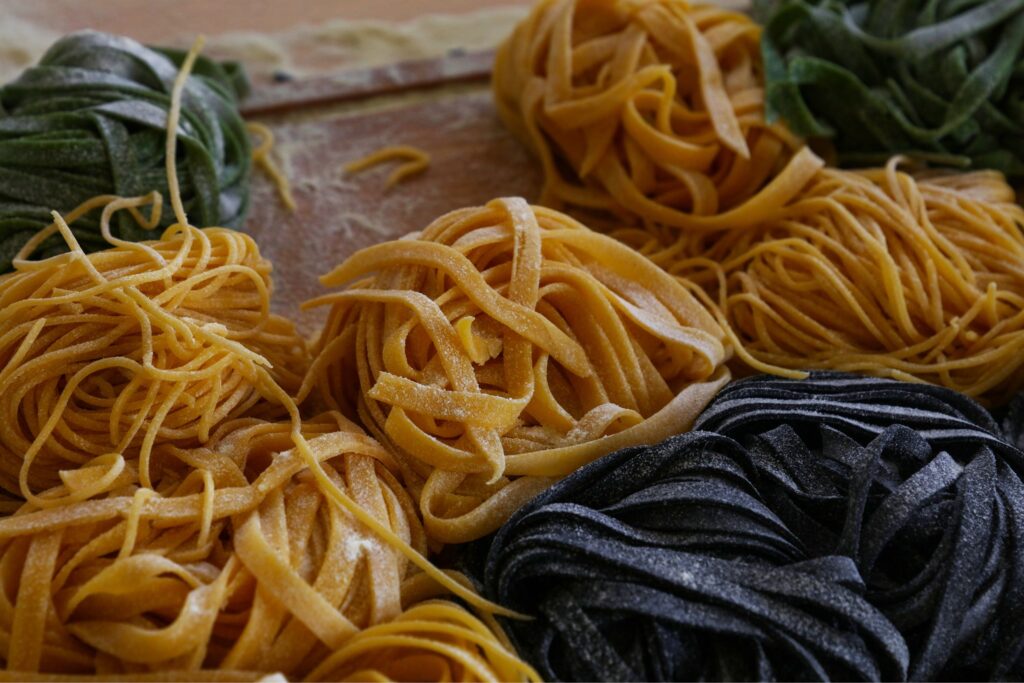
不过,许多地方食谱将"00"型面粉和杜兰小麦粉等量混合。杜兰小麦粉来自硬粒小麦,可增加结构、浅金色和成品面条的轻微嚼劲。对于初学者,50/50混合这2种面粉类型是一个可靠的起点。
为什么静置面团如此重要?
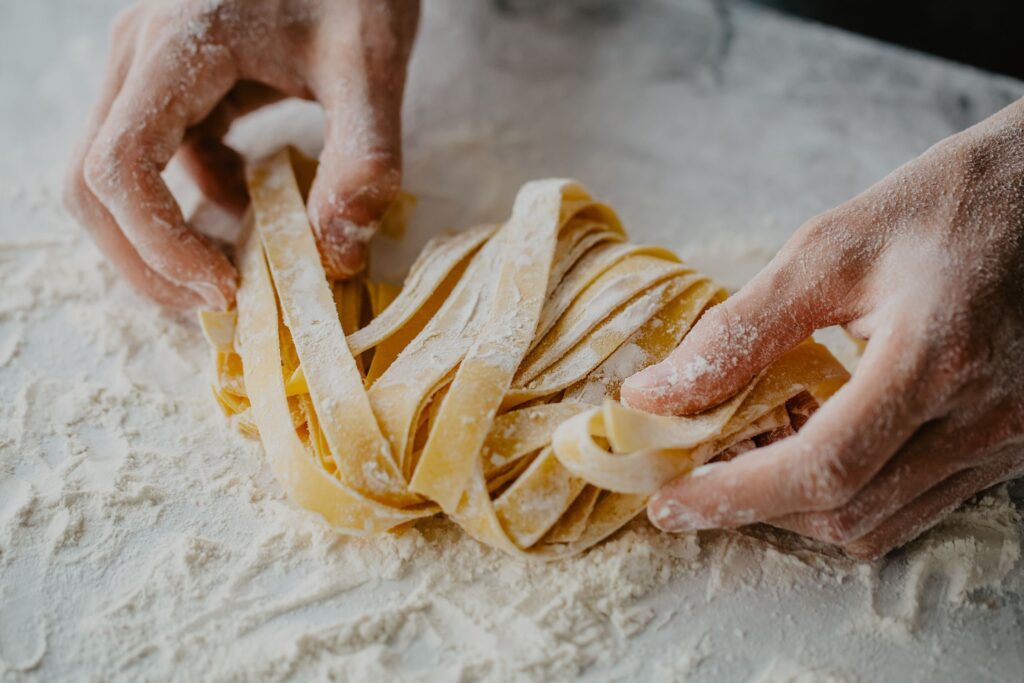
静置不是可选的。在揉面过程中,面粉中的麸质网络变得紧张而有弹性。面团需要时间放松,这样才能在不撕裂的情况下擀开。

静置30分钟后,面团变得容易得多。它能均匀擀开并在切割时保持形状。此外,充分静置的面团烹饪后会产生更好的质地。


Japanese food labels: hidden gluten guide
Japanese food labels follow precise rules, but those rules do not protect every gluten-sensitive shopper. Wheat is mandatory, yet barley...
Monsoon dal recipes from 7 Indian states
India's monsoon season calls for warm, nourishing food, and nothing answers that call better than a bowl of dal. These...




Ramen shops NYC worth seeking out
New York City's ramen shops range from quiet artisan counters to bold fusion destinations, each bowl a small act of...

Rooftop restaurants for a July evening
July heat transforms European cities into something almost cinematic, and rooftop restaurants offer the most elegant escape. From Paris to...








Decent guide overall. One thing worth flagging for anyone reading though, an Imperia machine is great but you really do not need one to start. I made pasta for years with just a rolling pin and a sharp knife, and honestly the hand-rolled texture absorbs sauce better than machine-rolled in my experience. The pici you briefly mentioned is also a fantastic beginner shape because it forgives uneven rolling.
Just tried this last weekend for the first time after years of being intimidated. Used the 50/50 mix of 00 and semolina you recommend and the difference in bite compared to my old all-purpose flour version was night and day. Pappardelle with mushroom ragu is now officially in my regular rotation.
Been making pappardelle every Sunday since lockdown and the semolina trick is real, gives that bite you just can’t get with all-purpose flour. One thing I’d add for anyone trying this for the first time, weigh your eggs because the size varies so much, especially with farm eggs. I usually aim for around 55g per egg and adjust the flour by feel after. Saves a lot of frustration when the dough turns out either gluey or crumbly.
What I appreciate is that you actually talked about the eggless southern Italian doughs with just semolina and water, because so many guides treat fresh pasta as if it’s only the northern egg version. My mother in law from Puglia makes orecchiette by hand and the texture is completely different, more rustic and chewy. Saving this article to send to my husband who keeps insisting tagliatelle is the only real pasta.