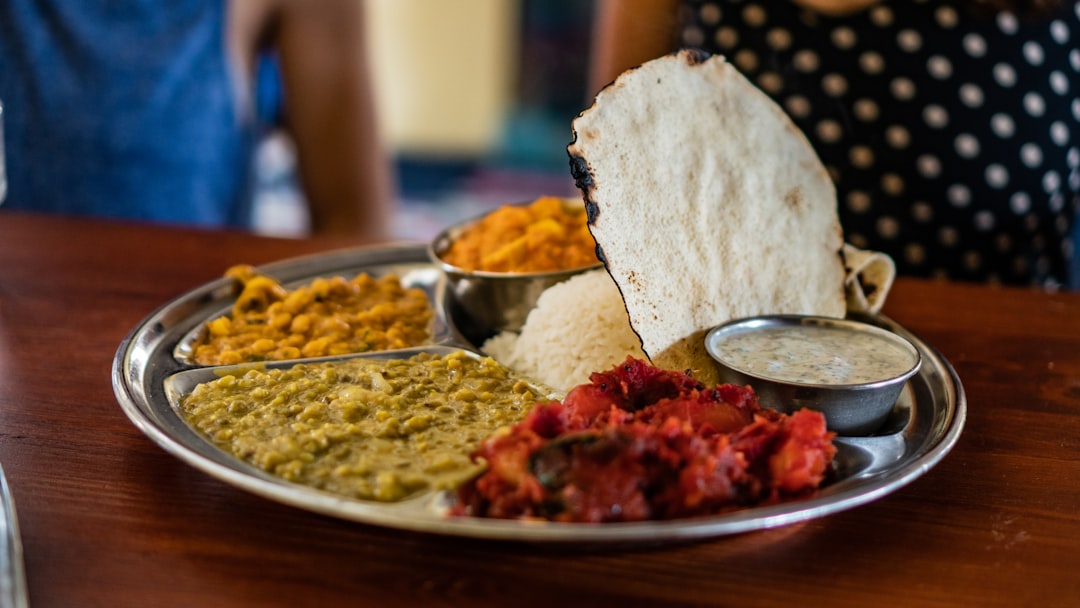
Monsoon dal recipes connect every Indian kitchen to centuries of regional wisdom, and right now, with the rains at full strength, there is no better time to cook your way across the country one bowl at a time.
Why monsoon dal is more than just comfort food
Many traditional monsoon recipes include spices such as ginger, turmeric, black pepper, cumin, and asafoetida, which have long been valued in Indian cooking for adding warmth and flavor during damp weather. These are not random additions. They are part of a living food tradition passed across generations.

In the tapestry of Indian cuisine, few elements are as foundational and cherished as dal. Dal is not just a staple food but a cultural emblem that embodies the essence of Indian culinary tradition. Every state has shaped it differently, and every bowl tells a story.
Indian holidays and festivities often feature lentil-based dishes, symbolizing friendship and hospitality. Their unique cultural significance and history in Indian cooking provide a window into the country’s diverse culinary traditions. During the monsoon, that window opens wider than ever.
3 north and west Indian monsoon dal recipes to cook now
1. Dal makhani, Punjab. Dal makhani is a rich and creamy dal made with whole black lentils (urad dal) and kidney beans, cooked with butter and cream. This dal is a favorite in North Indian recipes and is often served at special occasions and festive meals. On a cold monsoon evening, it is exactly what the body asks for.

2. Panchmel dal, Rajasthan. Panchmel dal, also known as Panchratan dal, is a unique dal made with 5 different types of lentils. This dal is a specialty from Rajasthan and is known for its complex flavors and textures. These recipes represent the resilience of regional Indian cuisine, using pantry staples and locally available ingredients to create satisfying meals.
3. Dal dhokli, Gujarat. Soft wheat flour dumplings are cooked directly inside simmering spiced dal instead of being prepared separately. As they cook, the dumplings absorb the flavors of the lentils while naturally thickening the gravy. The result is a filling meal that combines carbohydrates and plant protein in a single bowl. Many households prepare dal dhokli using leftover dal, making it an excellent example of traditional Indian cooking that helps reduce food waste.
2 east Indian monsoon dal recipes with deep roots
4. Chana dal, Bihar. East India, especially Bihar, is home to India’s most sophisticated dal culture. Chana dal is a hearty and flavorful dal made with split chickpeas. This dal is cooked with tomatoes and a blend of spices, creating a rich and satisfying dish. Chana dal is often paired with rice, roti, or paratha. During the monsoon, Bihari cooks finish it with a strong mustard oil tempering that brings immediate warmth.
5. Moong dal, Bengal. Bengali dal offers a lighter yet aromatic experience, often tempered with mustard seeds and spices. Moong dal is a light and nutritious dal made with split yellow mung beans. This dal is easy to digest and is often included in healthy Indian recipes. Moong dal is typically cooked with turmeric and cumin seeds and can be enjoyed with rice or as a soup. Its gentle character makes it the first choice in Bengal when the rains begin.
Expert perspective on monsoon dal and Indian wellness
Dal is central to India’s seasonal food intelligence, and the monsoon period makes this most visible. Across states, traditional kitchens have always adjusted their dal preparations to match the body’s needs in damp weather. Spices like ginger, asafoetida, and turmeric serve digestive and anti-inflammatory functions that modern nutrition science continues to validate. Light dals such as moong are recommended for evening meals when digestion is naturally slower, while richer preparations like dal makhani or panchmel are best suited to midday when the body can process heavier proteins. This seasonal layering of recipes, from east to west and north to south, is not coincidence. It is a knowledge system built across many centuries of observation and practice.
Industry perspective, culinary heritage and food wellness professionals in India
2 south Indian monsoon dal recipes that bring the coast home
6. Bisi bele bath, Karnataka. Bisi bele bath translates to “hot lentil rice” in Kannada. This iconic Karnataka dish combines rice, toor dal, seasonal vegetables, tamarind, jaggery, and a unique roasted spice blend. It is one complete meal in a single pot, deeply warming and perfectly suited to a rainy afternoon.
7. Paruppu, Tamil Nadu. This South Indian dal, known as “paruppu” in Tamil, is more than a simple lentil stew. It is a daily ritual, a comfort food that hums with the warmth of toasted spices and the creamy embrace of split pigeon peas. Toasting whole spices in ghee unlocks deep, complex aromatics that infuse the entire dish, a technique central to South Indian tadka or tempering.
Monsoon dal recipes: cook them, share them, keep them alive
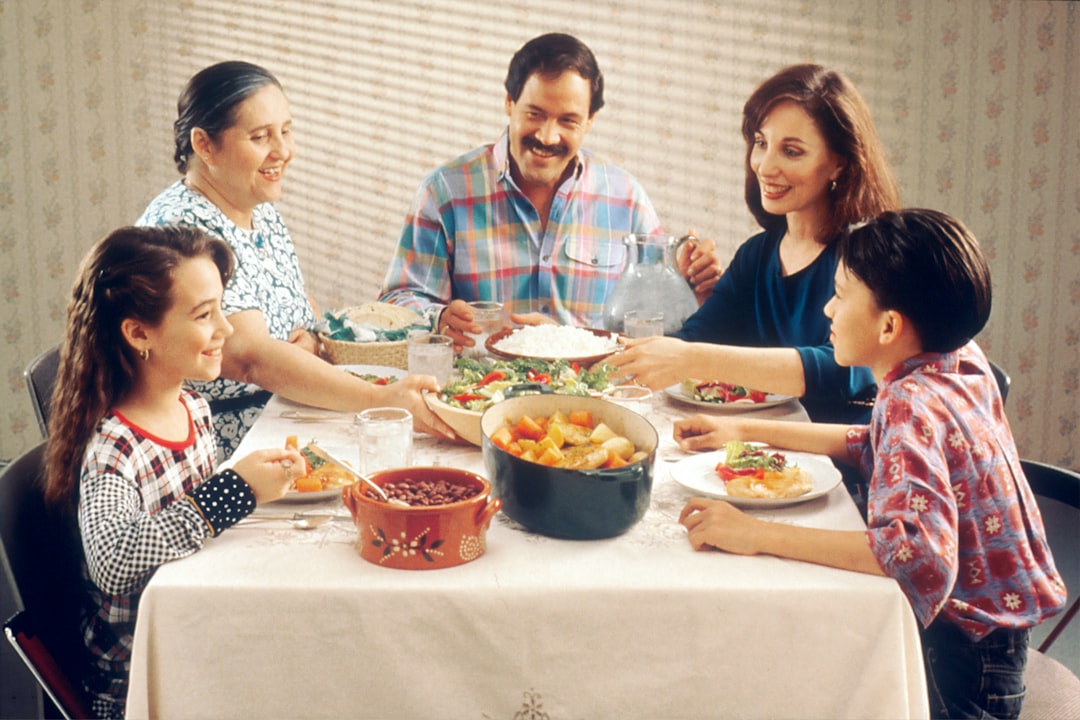
India does not need to choose between the modern and the traditional. These 7 monsoon dal recipes prove that the 2 can live together in the same pot. From steaming dishes enjoyed with evening tea to nourishing curries made with seasonal vegetables, Indian food traditions showcase how every region celebrates the rains differently. These monsoon food traditions continue to preserve India’s rich culinary heritage while bringing families together around the dining table.






Try 1 new monsoon dal this week. Share it with someone you love. The recipe may be ancient, but the pride you feel cooking it is completely your own.
Discover more about monsoon dal
- FSSAI Eat Right India: Seasonal and Nutritious Eating Guidelines
- ICAR: Pulses Research
- Restaurant India: Monsoon Street Food and Dal Traditions Across India
最初发布于《印度》网杂志。