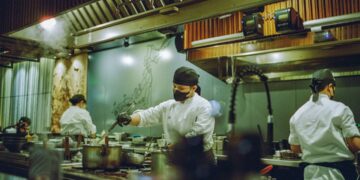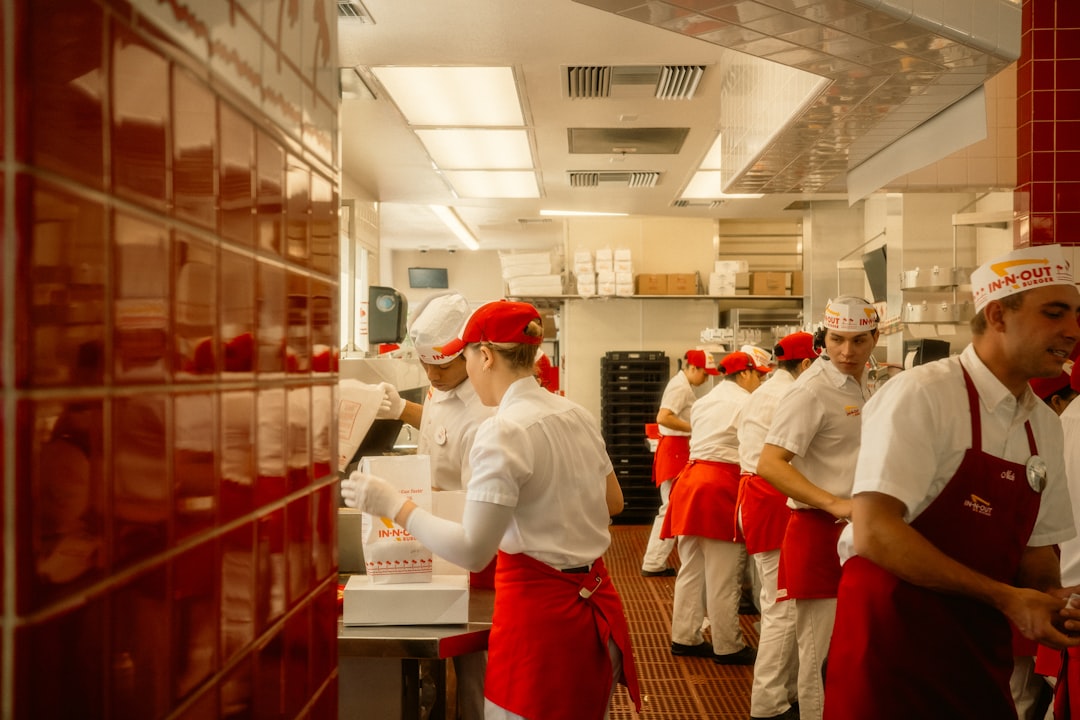
Staff training shapes how guests experience a new cuisine long before the first dish reaches the table. When a server cannot explain a fermented condiment or the correct way to share a dish, the guest feels uncertain. That uncertainty costs a restaurant its best asset: a guest who returns.
Why cuisine knowledge matters in service
The culinary landscape continues to expand, and with it, guest expectations grow. Diners today are well-traveled, culturally aware, and eager to explore international flavors. A server who cannot meet that curiosity with clear, confident answers creates a gap between the kitchen and the table.
Confidence in service comes from knowledge. When a team understands every dish and its context, staff guide guests easily and build trust through real expertise. That trust is the foundation of every great dining experience.

Providing a genuine global dining experience requires staff who are well-versed in various cuisines, traditions, and service styles. This is not optional preparation. It is the baseline for any serious operation.
The role of tasting sessions in staff training
When a restaurant incorporates international dishes into its menu, staff must present these options well. One of the most effective methods is organizing tasting sessions where staff can sample new dishes. This direct experience helps staff give better menu explanations and recommendations.
Staff respond best to hands-on, guided training from managers or senior team members. This method not only transfers knowledge about the restaurant’s food, it also helps staff understand specific techniques at a deeper level. A server who has tasted a dish speaks about it with honesty, not from a script.

Additionally, visual aids such as videos and images help staff learn cooking techniques and presentation styles that are unique to an unfamiliar cuisine. These tools give context to what staff later describe at the table.
How role-play builds guest communication skills
Role-playing exercises allow staff to practice real interactions and rehearse international dining etiquette before guests arrive. This is exactly how good training works in practice. A team that has acted out a difficult conversation handles it more calmly on a live service.
Beyond technical food knowledge, developing soft skills is a key part of working in a restaurant. Communicating with guests smoothly, interacting with team members, and resolving tension are all qualities that create a better experience for everyone at the table.






Furthermore, a core part of cultural preparation is educating staff on the diverse cultural norms and communication styles they may encounter. This training covers everything from greeting customs and body language to personal space and hierarchy.
An industry perspective on cultural knowledge in service
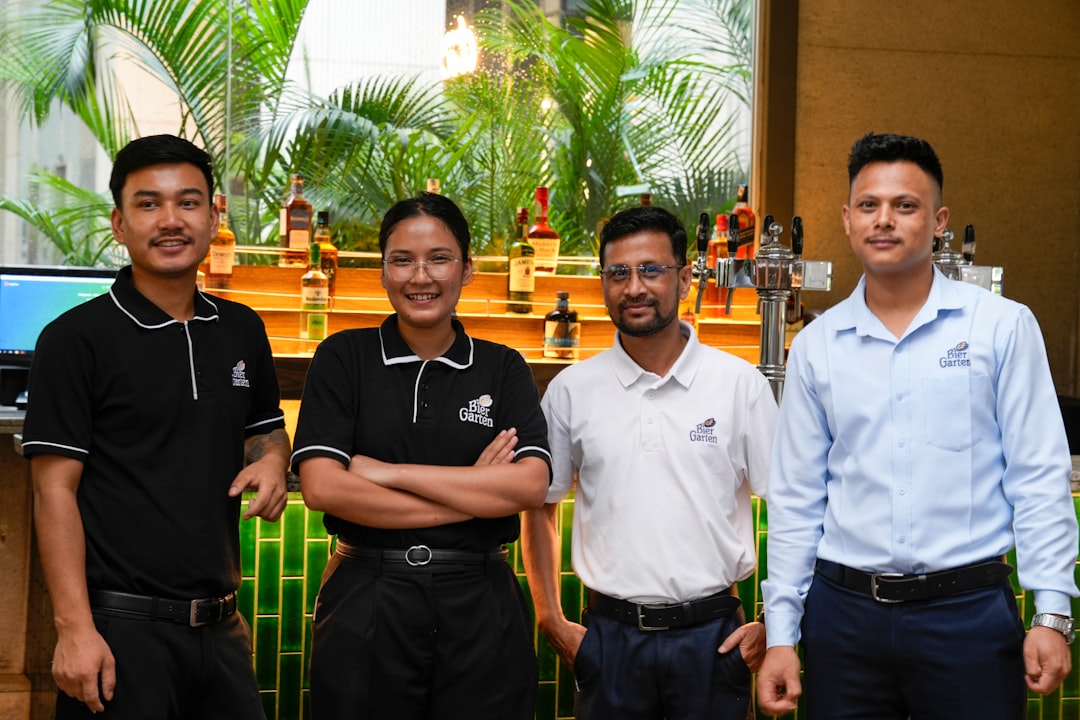
When we talk about training staff to present global cuisines, we often focus on the food itself. But the real skill is reading the guest. A table of guests from Japan may share dishes and say nothing about needing guidance. A solo traveler from Brazil may want the story behind every ingredient. Staff who have absorbed genuine cultural knowledge can feel the difference. They know when to speak and when to let the food explain itself. That ability does not come from a manual. It comes from repeated exposure, honest feedback, and a training culture that treats cuisine knowledge as a living skill, not a checklist to complete before opening night.
Industry perspective, hospitality training and multicultural service professionals
Mentorship and continuous learning
Pairing new staff with experienced mentors speeds up learning and builds confidence. Mentorship also strengthens team culture through shared knowledge. In a kitchen or dining room that serves global cuisine, this relationship carries specific value. A newer server learns not just the menu, but the spirit behind it.
Ongoing training at regular intervals maintains high standards and helps teams adapt to changes. Many strong restaurant training programs include monthly refresher sessions and updates on menu changes, safety, or service techniques.
To support long-term success, teams should regularly assess the effectiveness of training. Gathering feedback from staff and guests and adjusting programs helps build a culture of continuous improvement.
Conclusion
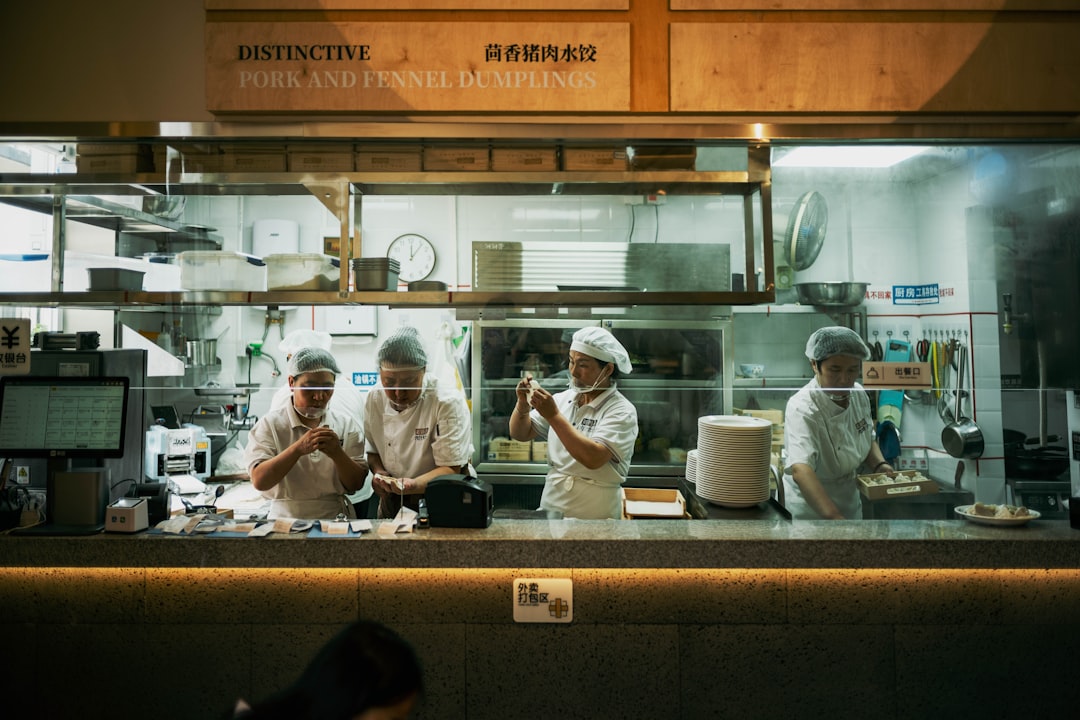
Staff training for global cuisines is not a one-time event. It is an ongoing practice that connects knowledge, taste, and human contact. The foodservice sector continues to generate strong demand for formally trained professionals, driven by the growth of multi-cuisine dining concepts and increasing guest expectations around food quality and presentation. Teams that invest in this work give their guests something a menu cannot: a guide they can trust. Staff training, built on tasting, role-play, mentorship, and honest feedback, is how hospitality operations earn that trust night after night.
Discover more about staff training
- Worldchefs Global Culinary Certification
- Chef Training Service Market Research Report
- Training Staff to Deliver a Global Dining Experience