Rooftop dining reaches its most demanding moment in summer, when heat becomes as important to manage as the menu itself.
When the environment becomes part of the recipe
Summer changes what a guest needs from a meal. Up on an exposed terrace, the sun moves across the sky, temperatures rise through service, and the body responds differently to rich food. Chefs who understand this do not simply repeat their indoor menu on the roof. They start from the environment and work inward.
More than half of diners prefer to eat outdoors when the weather is good. That preference creates real pressure on rooftop venues to deliver comfort alongside a view. The best operators treat heat management and menu design as 1 connected problem, not 2 separate departments.

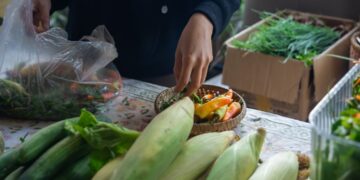
Seasonal produce solves much of this naturally. Lighter ingredients, high water content, and shorter cooking times all align with what the body wants in warm air. A menu built around cucumber, radish, raw fish, and cold-pressed oils feels right to a guest sitting under open sky at midday.
Shade and airflow as design priorities
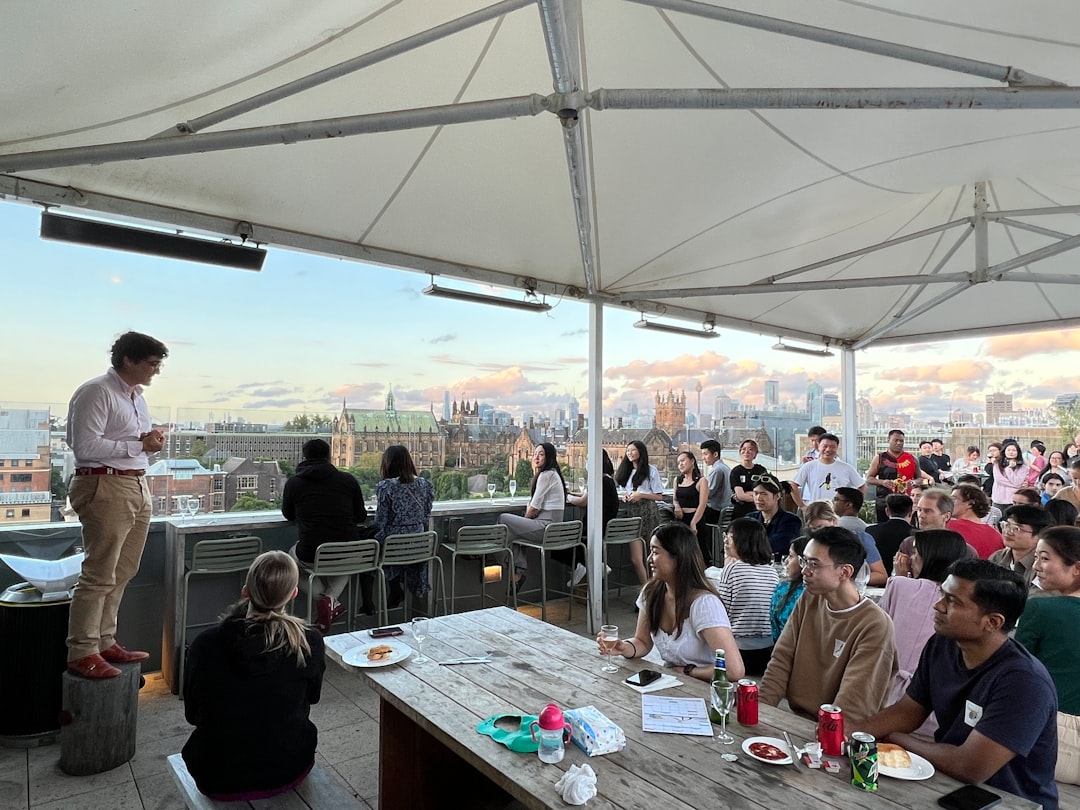
Beyond protecting guests from the weather, it is important to offer ample shade for a comfortable meal. Shade helps provide protection from the heat and increases comfort while dining. This is not decoration. It is a functional decision that directly affects how long a guest stays, and therefore what they order.
For summer, retractable awnings and UV-resistant pergolas provide optimal shade, allowing customers to dine comfortably. The most considered venues align their shade structures with the angle of the sun during peak service hours. A table that sits in full sun at 13:00 is not the same table at 19:00, and the menu offered at each moment can reflect that difference.

Misting fans keep guests cool without drenching them completely in water. These small systems create a microclimate around the table. Guests who feel physically comfortable eat more slowly, order more courses, and return more readily.
How menus respond to summer conditions
Outdoor dining enables premium menu pricing through enhanced ambiance and perceived value. Restaurants report outdoor pricing premiums for identical menu items, with customers accepting the difference because of the superior outdoor experience. The implication is clear: guests pay for the whole experience, so the food must justify the setting.
Rooftop menus in summer lean toward small plates, shared portions, and items that hold their quality in warm air. Dishes with delicate sauces or items that degrade quickly under sun and breeze require rethinking. Cold preparations, cured fish, fresh vegetables with acid dressings, and ice-based desserts all work with the environment rather than against it.
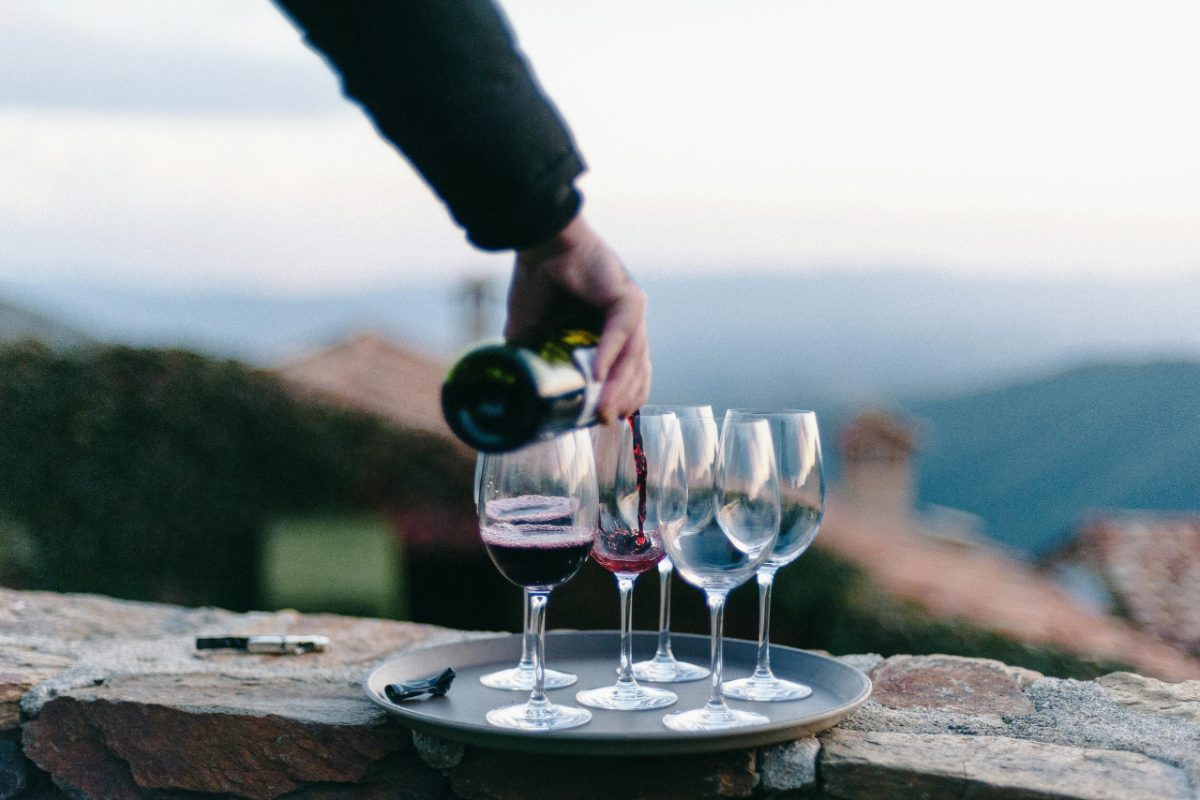
A strong cocktail program leans seasonal and globally inspired alongside a wine list suited to summer evenings. Hydration is central to this. Sparkling water, low-alcohol options, fermented drinks, and fruit-based cocktails all sit well in heat. A guest who is well-hydrated eats more attentively and lingers longer.
An industry perspective on comfort and design
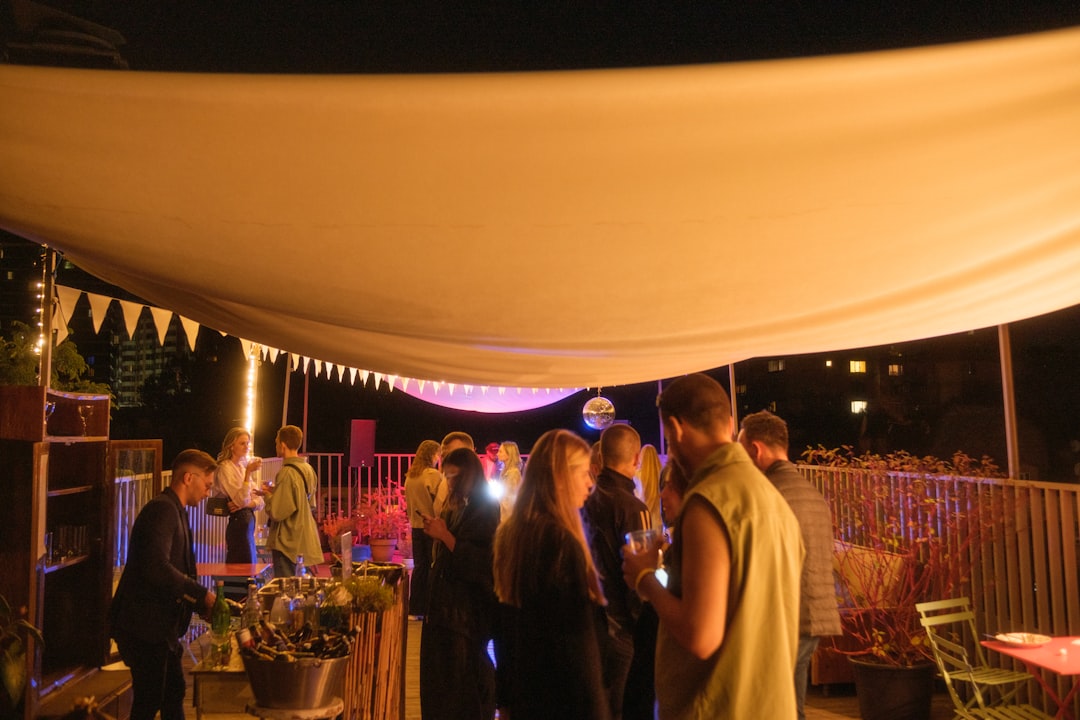
The most successful rooftop venues understand that a guest’s physical comfort and their enjoyment of the food are not separate things. When a guest is too hot, or exposed to direct sun, or sitting in stagnant air, they stop tasting the food properly. They rush. They drink more than they eat. The menu loses its meaning. The operators who take this seriously design the physical space first, then build the menu around what that space allows at different times of day and different temperatures. Shade structures, fans, and airflow are as important as any ingredient. A retractable canopy that opens at dusk transforms the experience completely. The guests who sit under open sky in the evening need different food than those who sit under a pergola at noon. The best chefs notice this and change the menu accordingly.
Industry perspective, hospitality design and outdoor dining professionals
The role of greenery and living materials
The right type of greenery enhances a rooftop restaurant’s ambiance and creates a relaxing environment. Plants and flowers bring life to the space and improve air quality. This is relevant to both comfort and menu design. Herbs grown on the roof can move directly onto the plate. Lavender, thyme, and sorrel planted in raised beds along a terrace wall serve as both decoration and a live larder.
Some rooftop venues include a pool and awnings with plants and herbs grown on-site. This kind of integration between the growing space and the kitchen is the logical conclusion of seasonal, local cooking. The distance from plant to plate is measured in steps, not kilometers.
Outdoor dining is no longer just a seasonal perk. It is a strategic advantage. The most successful restaurant patios are designed with the same intentionality as the dining room inside. When greenery also reduces the perceived heat by providing visual softness and absorbing sunlight, it does 2 jobs at once.
Timing the menu across the day
Summer months generate peak outdoor demand with customers seeking open-air experiences and pleasant evening temperatures. Quality shade structures prove essential during summer when unprotected terraces become uncomfortably hot midday. This means a single static menu cannot serve a rooftop well across a full summer day.
The most thoughtful operators split their summer offer by time of day. A midday menu focuses on speed, cold dishes, and high hydration. An evening menu opens to slower courses, warm proteins, and drinks that benefit from cooler air. The transition point, usually late afternoon, is where the chef’s judgment matters most.




Nearly 62% of Gen Z say they prefer rooftop bars when dining outdoors, more than any other age group. This audience is accustomed to curated experiences and notices when a menu feels generic. A time-of-day approach, tied to specific produce and seasonal drinks, communicates that the kitchen is paying attention.
Rooftop dining built for the season
Rooftop dining earns its place in the calendar when operators commit fully to the conditions. The best results come from chefs who study the arc of sunlight across their terrace, who build shade into the physical design, and who write menus around what the heat actually demands. This is not compromise. It is precision applied to a specific environment.

Rooftop dining in summer rewards guests with light, produce-driven food, cool and considered drinks, and spaces where the air moves freely. Venues that achieve this create something that indoor dining cannot replicate. The result is a meal that guests remember because the whole setting worked together, not just the plate. Build the space with intention. Let the menu follow the season.
Discover more about rooftop dining
- Outdoor Dining Trends 2025: How Restaurants Can Maximize Patio Season
- 2025 Outdoor Dining Trends: Design Profitable Patio Spaces
- Outdoor Dining Structure Restaurant Shade Solutions