

What Are the Leading Hospitality Trends in 2026?
The landscape has shifted dramatically across major markets. Technology integration now defines service delivery standards. Furthermore, guest preferences increasingly favor sustainable practices.
Asia-Pacific markets show 34% growth in contactless services. Meanwhile, European properties invest heavily in energy-efficient infrastructure. Thus, regional variations influence implementation strategies.

Additionally, labor shortages accelerate automation adoption. Properties worldwide deploy AI-powered systems for routine tasks. Consequently, staff focus on high-value guest interactions.
How Does Automation Transform Guest Services?
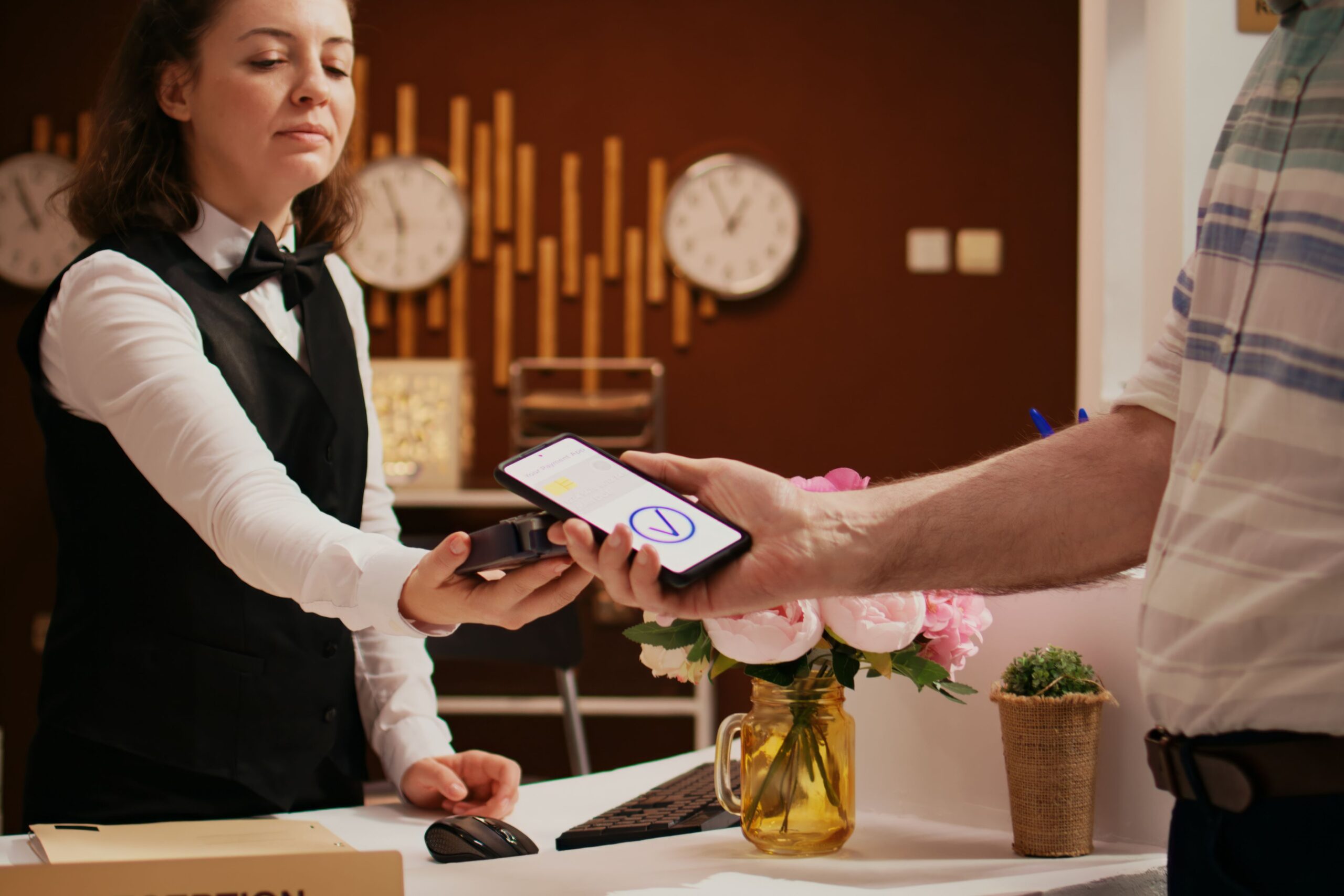
Robotics handle check-in procedures at leading hotels. For instance, Tokyo properties report 40% faster processing times. Besides efficiency gains, automation reduces operational costs significantly.
Self-service kiosks dominate lobby areas globally. However, maintaining personal touch remains crucial. Indeed, successful properties balance technology with human interaction.

Chatbots now manage 60% of reservation inquiries. Nevertheless, complex requests still require staff intervention. Therefore, hybrid approaches deliver optimal results.

Why Is Sustainability Critical for Operations?
Environmental responsibility drives booking decisions increasingly. Research shows 72% of travelers prioritize eco-friendly accommodations. Moreover, regulatory pressures intensify across jurisdictions worldwide.
Water conservation systems reduce consumption by 30%. Similarly, renewable energy installations lower carbon footprints substantially. As a result, properties achieve cost savings alongside environmental benefits.






Waste reduction programs eliminate single-use plastics effectively. Furthermore, composting initiatives minimize landfill contributions. Clearly, sustainability represents both ethical and financial imperatives.


Autumn equinox and how cooks rethink heat
The autumn equinox is not simply a date on a calendar. It is the moment when serious cooks across the...

Bread traditions and what they reveal
Bread traditions are among the oldest and most honest records of human civilization. From the grain a community grows to...

Conclusion: Navigating Hospitality Trends Successfully
The hospitality trends reshaping 2026 demand proactive strategic responses. Technology, sustainability, and personalization form critical success pillars. Moreover, balancing automation with authentic human connection remains essential.
Properties investing in these areas gain significant competitive advantages. Therefore, industry professionals must embrace transformation actively. Indeed, understanding current hospitality trends positions businesses for sustained growth.

Start evaluating your operational readiness today. Subsequently, develop implementation roadmaps addressing identified gaps systematically.











I travel a bit to shoot my daily life videos, and I’ve definitely noticed how places to stay are changing. Honestly, after a long day of exploring outdoors, I just want a simple, comfortable place to crash. It’s interesting to read about these new trends, but I hope places don’t lose that authentic, local vibe.
The point about hyper-personalization needing to feel natural rather than intrusive really landed with me. I stayed at a hotel last year where they clearly had my data from a previous visit, but the way they used it felt almost surveillance-like, little notes about preferences I’d never consciously shared, a pillow type I mentioned once in passing. It made me uncomfortable rather than cared for. Getting that balance right is genuinely harder than the tech side of it, and I think that’s what the industry keeps underestimating.
Hyper-personalization is fascinating until you ask who owns the data making it possible. Room preferences remembered from your last stay sounds lovely. A hotel building a behavioral profile of you across multiple visits is something else entirely. I’m surprised more industry trend pieces don’t sit with that tension for more than a sentence before moving on.
The point about disconnected systems being the actual bottleneck for AI is spot on and honestly underrated in most trend articles. I consult for a few mid-sized hotel groups and the gap between properties with unified PMS and CRM versus those running six different platforms is night and day. Throwing AI at fragmented data just amplifies the chaos. Your framing of integration as the real 2026 priority is the most useful takeaway in the whole piece.