CONTACT
  • Login
Upgrade
GUSTOwebzine
Advertisement
  • Home
    • Our Authors
    • Subscribe for Free
    • Media Kit
    • Contact
    • Terms and Conditions
    • Cookie Policy
  • Discoveries
    • Chefs
  • Culinary Culture
  • Food & Drinks
  • Cooking Tips
    • Recipes
  • GUSTO Global
  • Insights
  • GUSTO Guide
    • Hotels Worldwide
    • Nightlife Worlwide
    • Restaurants Worldwide
    • Services Worldwide
  • Home
    • Our Authors
    • Subscribe for Free
    • Media Kit
    • Contact
    • Terms and Conditions
    • Cookie Policy
  • Discoveries
    • Chefs
  • Culinary Culture
  • Food & Drinks
  • Cooking Tips
    • Recipes
  • GUSTO Global
  • Insights
  • GUSTO Guide
    • Hotels Worldwide
    • Nightlife Worlwide
    • Restaurants Worldwide
    • Services Worldwide
No Result
View All Result
GUSTOwebzine
No Result
View All Result
Home Hospitality Insights

Fine dining sourcing: 5 ways it works

How the world's best restaurants find, verify, and tell the story behind every ingredient on the plate.

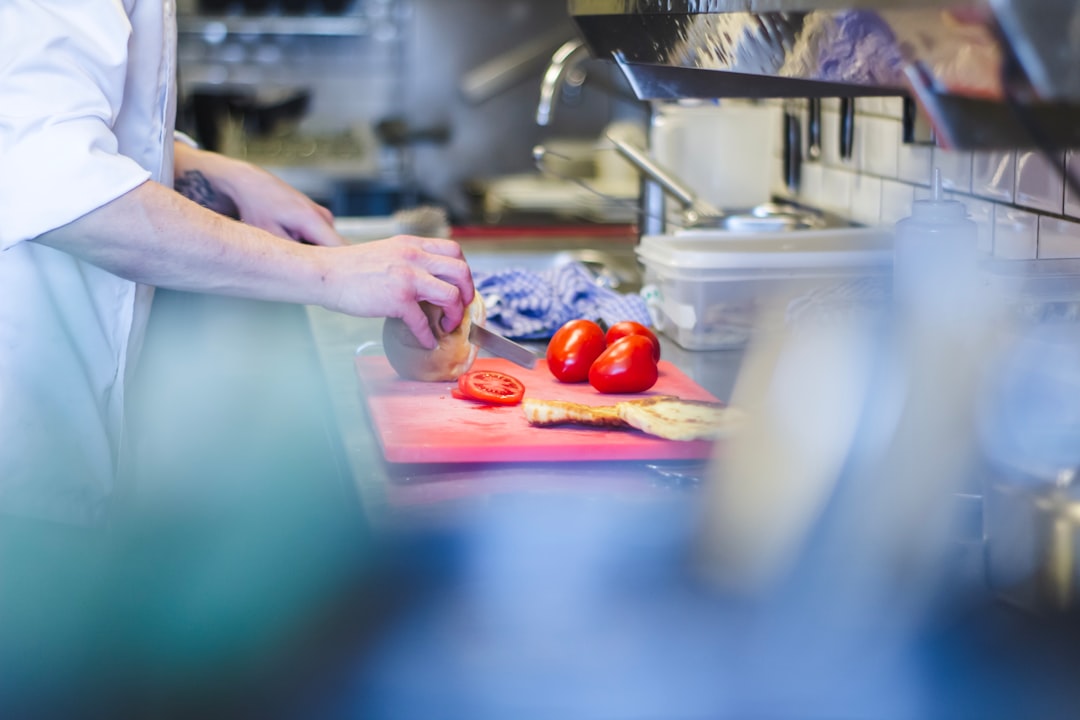
A fine dining chef and a local farmer discuss seasonal produce reflecting a direct fine dining sourcing relationship.

Fine dining lives or dies by the integrity of its ingredients, and the most respected kitchens in the world have turned sourcing into a discipline as rigorous as any technique at the stove.

Direct producer relationships

Fine dining establishments often choose direct sourcing from local producers. This gives them better control over the supply chain and reduces the time between harvest and delivery. The relationship itself becomes the foundation of the menu. A chef who speaks to a farmer each week does not simply place an order. Restaurateurs who obtain ingredients from local farms can have direct, personal relationships with their suppliers, sharing information and collaborating to solve problems on both sides.

A fine dining kitchen operating on genuine sourcing principles typically maintains direct relationships with 10 to 30 individual farms, ranches, fisheries, and foragers. The kitchen receives harvest updates, availability windows, and volume commitments from farmers before the menu is finalized. Dishes are then designed to accommodate what is available, not the reverse.

GUSTO guide worldwide restaurants, hotels, nightlife, professional services GUSTO guide worldwide restaurants, hotels, nightlife, professional services GUSTO guide worldwide restaurants, hotels, nightlife, professional services

Operators who source primarily from local farms frequently feature farmer profiles and farm location maps on menu materials, building consumer connection to specific producers and creating a storytelling asset that commands a measurable price premium over competitors who do not disclose their sourcing.

Seasonal menus as a sourcing tool

Seasonality and regional availability are central considerations for fine dining kitchens. These restaurants respect the natural growth cycles of ingredients and prioritize seasonal produce. This enhances the flavor and quality of dishes and supports local farmers and sustainability.

A pastry team, for example, may learn in April that a specific strawberry variety will peak for 11 days, and the dessert menu shifts accordingly. Kitchens that take seasonality seriously also ferment, pickle, cure, and dry ingredients at peak harvest to extend flavor across off-season months.

The best menus feel like conversations, reflecting local farms, cultural identity, and individual dietary needs. Hyper-local sourcing blends with digital storytelling: a QR code that tells a guest where the tomatoes came from, or a special that exists for just one neighborhood.

Traceability systems and verification

Supply chain traceability zooms in on specific products or batches to track the origins of ingredients, processing steps, certifications, and other essential details. Tools involved include barcodes, QR codes, digital passports, and radio frequency identification tags, along with software that accesses source information in a database.

Restaurants verify provenance through documented supplier relationships, required paperwork, and on-site checks when possible. Suppliers provide certificates of origin, catch documents, and invoices that trace items back to farms, fisheries, or processors. Chefs pair those documents with sensory inspection of aroma, color, and texture to confirm that each shipment matches its paperwork.

Knowing where products come from is essential. Traceability makes food safety response times faster, quality control stronger, and operators more confident in their supplier network.
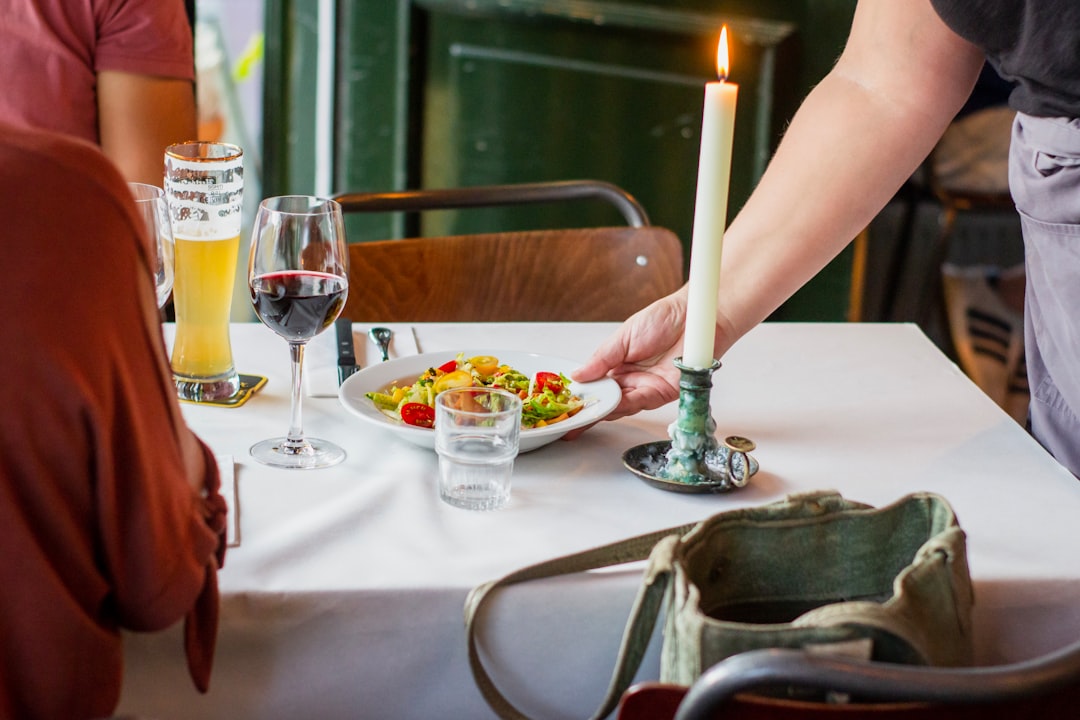
a fine dining table, illustrating how fine dining sourcing stories reach the guest.

Expert perspective

The most rigorous fine dining kitchens treat sourcing as an editorial act, not a purchasing function. Every ingredient on the menu carries an implicit claim about provenance, season, and producer values. When that claim is documented, the service team can narrate it with precision rather than approximation. Guests at this level are not simply buying a meal. They are buying access to a curated supply chain. Transparency, therefore, is not a marketing choice. It is the product itself. A kitchen that cannot trace an ingredient to its origin cannot honestly tell its story, and in fine dining, the story is half the plate.

Industry perspective, fine dining sustainability and sourcing professionals

Named producers on the menu

Many restaurants now provide detailed information about where their ingredients come from. Some list the specific farms on their menus. This practice builds trust and deepens the connection between diners and their meals.

At Chez Panisse, Alice Waters listed the names of farms on the menu to remind diners that food was grown on actual farms. She wanted guests to notice the seasons and to credit the people who grew and raised each ingredient.

Precise menu language such as “local when in season,” “certified organic where noted,” or “sourced within 150 kilometres of our kitchen” helps make accurate, defensible claims. This specificity manages guest expectations, avoids overpromising, and demonstrates a transparent and knowledgeable operation.


-

a woman arranges roasted root vegetables on a plate as part of the new autumn menus service in a kitchen.

Autumn menus: 8 ways restaurants adapt

14/09/2026
A hotel chef selects seasonal produce at a local market, reflecting the values of culturally grounded dining programmes

Dining programmes that reflect local culture

09/09/2026
A head chef studies a new autumn menu at a prep counter, preparing for the seasonal shift from summer to cooler months

Seasonal shift: how restaurants recalibrate

30/08/2026
A chef plates a course during service, embodying the deliberate craft behind tasting menus that tell a seasonal story.

Tasting menus that tell a real story

25/08/2026
A chef carefully plates a fresh seafood dish as part of resort menus designed for peak coastal season guests

How Coastal Resort Restaurants Adapt Menus for August

15/08/2026
a common scene inside well-run restaurant groups focused on quality and consistency.

Restaurant groups: quality across locations

10/08/2026

A chef inspects fresh seasonal vegetables in a kitchen, checking quality as part of a rigorous fine dining sourcing

Staff training as a storytelling channel

Restaurants build transparency from the inside by training staff to speak confidently about sourcing practices, ethical partnerships, and the restaurant’s broader sustainability commitments. Incorporating sourcing stories into pre-shift meetings or providing reference notes on key suppliers gives teams the tools they need to educate and reassure diners.

Equipping service staff with clear information about why a locally sourced item may not always be available turns a potential negative into a positive reinforcement of sourcing standards. This ensures a consistent narrative and educates guests naturally during service.

The physical restaurant environment, knowledgeable service staff, tableside farm storytelling, and seasonal tasting menu formats collectively constitute a complete experiential package that is difficult to replicate outside the on-premises setting.

Why fine dining sourcing matters now

Fine dining sourcing is no longer a secondary concern. Younger diners are shaping the future of the industry with high standards. Millennials and Gen Z consumers are likely to research food sourcing, question menu claims, and support restaurants that align with their values. For them, transparency is about more than knowing what is in a dish: it is about accountability, sustainability, and ethical business practice.

Seven out of 10 diners say they would be likely to order food that is more sustainably grown. Fine dining kitchens that document their sourcing, train their teams, and name their producers are not simply satisfying demand. They are building the most durable competitive advantage in hospitality: trust. Return to these 5 methods as a practical framework and ask which of them your kitchen already practices with full confidence.

Discover more about fine dining

  • Local Sourcing: A Guide for the Hotel, Restaurant, Catering and Tourism Industries (FAO)
  • Farm-to-Table Restaurant Market Research Report (Dataintelo)
  • The Rise of Transparent Dining and What It Means for Restaurants (The Rail, 2025)

author avatar
Lars Eriksen
Lars Eriksen grew up foraging wild herbs on the Danish coast with his grandmother, long before foraging became a culinary movement. He studied gastronomy at the University of Copenhagen and has spent two decades documenting the New Nordic revolution from the inside. From Noma's legacy to the next generation of Copenhagen chefs redefining what seasonal and sustainable really means, Lars writes with the quiet authority of someone who was there from the beginning.
See Full Bio
Previous Post

Rooftop bars in London for summer

Next Post

Gluten-free pasta brands to order in Europe

Related Posts

a woman arranges roasted root vegetables on a plate as part of the new autumn menus service in a kitchen.
Hospitality Insights

Autumn menus: 8 ways restaurants adapt

14/09/2026
A hotel chef selects seasonal produce at a local market, reflecting the values of culturally grounded dining programmes
Hospitality Insights

Dining programmes that reflect local culture

09/09/2026
A head chef studies a new autumn menu at a prep counter, preparing for the seasonal shift from summer to cooler months
Hospitality Insights

Seasonal shift: how restaurants recalibrate

30/08/2026
A chef plates a course during service, embodying the deliberate craft behind tasting menus that tell a seasonal story.
Hospitality Insights

Tasting menus that tell a real story

25/08/2026
A chef carefully plates a fresh seafood dish as part of resort menus designed for peak coastal season guests
Hospitality Insights

How Coastal Resort Restaurants Adapt Menus for August

15/08/2026
Next Post
Mother pushes a shopping cart with her young son nearby as the father points to pastries in a glass bakery display case in a store.

Gluten-free pasta brands to order in Europe

Leave a Reply Cancel reply

Your email address will not be published. Required fields are marked *

Truelang AI Translations Truelang AI Translations Truelang AI Translations
No Result
View All Result

Our Focus

GUSTOwebzine is your international window on food culture: culinary lifestyle, trends, recipes and gastronomic stories for a global audience with a passion for exceptional taste.

Our Readers

GUSTOwebzine addresses readers who engage with food culture at a high level: as culinary professionals, passionate home cooks, food entrepreneurs, and tastemakers in their communities.

Our Approach

Recipes, trends, and dining culture are integrated as context and indicators of creativity, identity, and the social forces shaping how the world eats, not standalone content.

Recent Post

  • Truffle dinners in NYC this autumn
  • Autumn equinox and how cooks rethink heat

© 2026 GUSTOwebzine by NOOR & NOOR — part of WEBZINE.world.

Welcome Back!

Login to your account below

Forgotten Password?

Retrieve your password

Please enter your username or email address to reset your password.

Log In
Manage Consent
To provide the best experiences, we use technologies like cookies to store and/or access device information. Consenting to these technologies will allow us to process data such as browsing behavior or unique IDs on this site. Not consenting or withdrawing consent, may adversely affect certain features and functions.
Functional Always active
The technical storage or access is strictly necessary for the legitimate purpose of enabling the use of a specific service explicitly requested by the subscriber or user, or for the sole purpose of carrying out the transmission of a communication over an electronic communications network.
Preferences
The technical storage or access is necessary for the legitimate purpose of storing preferences that are not requested by the subscriber or user.
Statistics
The technical storage or access that is used exclusively for statistical purposes. The technical storage or access that is used exclusively for anonymous statistical purposes. Without a subpoena, voluntary compliance on the part of your Internet Service Provider, or additional records from a third party, information stored or retrieved for this purpose alone cannot usually be used to identify you.
Marketing
The technical storage or access is required to create user profiles to send advertising, or to track the user on a website or across several websites for similar marketing purposes.
  • Manage options
  • Manage services
  • Manage {vendor_count} vendors
  • Read more about these purposes
View preferences
  • {title}
  • {title}
  • {title}
No Result
View All Result
  • Home
    • Our Authors
    • Subscribe for Free
    • Media Kit
    • Contact
    • Terms and Conditions
    • Cookie Policy
  • Discoveries
    • Chefs
  • Culinary Culture
  • Food & Drinks
  • Cooking Tips
    • Recipes
  • GUSTO Global
  • Insights
  • GUSTO Guide
    • Hotels Worldwide
    • Nightlife Worlwide
    • Restaurants Worldwide
    • Services Worldwide

© 2026 GUSTOwebzine by NOOR & NOOR — part of WEBZINE.world.

Not enough quota to unlock this post
Unlock left : 0
Are you sure want to cancel subscription?
Verified by MonsterInsights
enEnglishdeDeutschesEspañolfrFrançaisnlNederlands