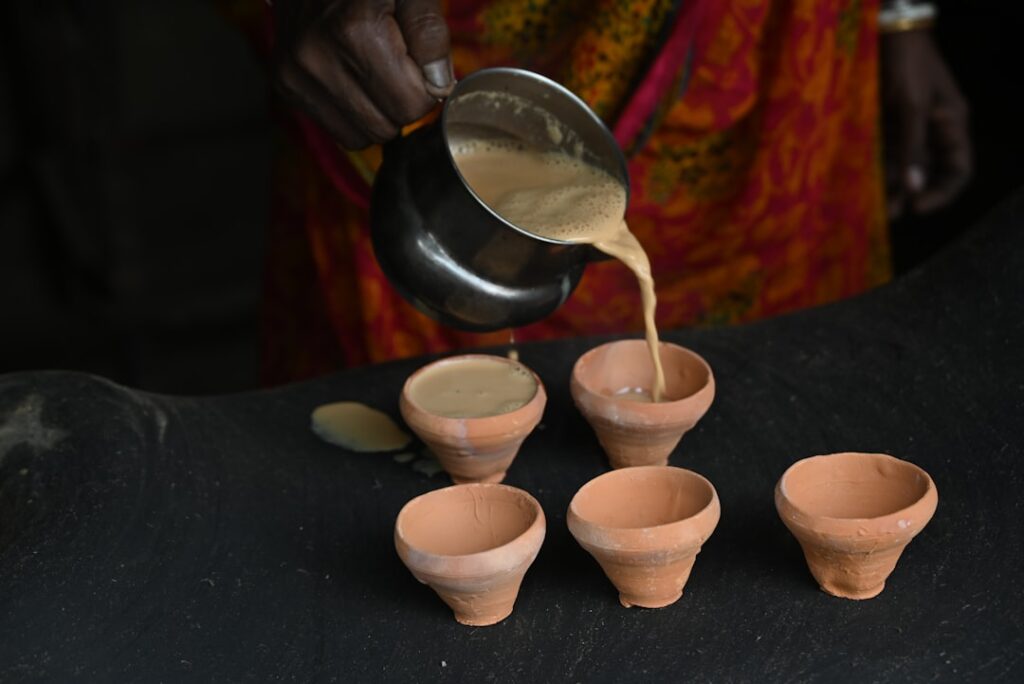
Filter coffee is the quiet heartbeat of South Indian mornings, a ritual so deeply woven into daily life that millions of households across Tamil Nadu, Karnataka, Kerala, and Andhra Pradesh will not begin their day without it.
What makes filter coffee different
South Indian filter coffee is not just a beverage. It is a cultural identity. The slow extraction process, combined with strong decoction and creamy milk, creates a cup that is bold, comforting, and deeply rooted in tradition.

Filter coffee derives its distinctive character from the slow drip brewing method where freshly ground coffee powder, often blended with chicory, slowly releases its flavors through a metal filter. Unlike instant coffee or espresso, filter coffee captures deep, rich flavors with a natural sweetness and creamy texture when mixed with hot milk.
The South Indian filter is a gravity percolation device. Hot water passes through a bed of ground coffee, collecting as a concentrated liquid, called decoction, in a lower chamber. That decoction is then diluted with milk and served. The result is a cup that no espresso machine or capsule system can replicate. This is living heritage in a steel tumbler.
Understanding the equipment
The filter is self-contained, easy to store, and works without electricity or paper filters. It is made of metal, either stainless steel or brass, and consists of 4 parts: a collection chamber at the bottom, an upper filter chamber with tiny holes, a plunger, and a lid.

The brewing mechanism is gravity alone. No pressure is involved. Water poured into the upper chamber moves downward through the coffee bed and perforated disc, dripping slowly into the lower chamber over 10 to 25 minutes.
A true South Indian coffee experience is incomplete without serving filter coffee in the iconic dabara-tumbler set, a stainless steel cup nested inside a shallow bowl. This not only keeps your coffee warm longer but also makes pouring easier to create the signature frothy layer. You can find both the filter and the tumbler set in any local housewares shop or online for a modest price.
Choosing your blend and chicory ratio
The coffee you choose shapes everything. The beans are usually a mix of Arabica and Robusta, medium or dark roasted, and often mixed with chicory, a root that enhances the body and flavor. The inclusion of chicory is a colonial legacy, but it has become a distinct characteristic of South Indian filter coffee, lending it a subtle sweetness and nutty undertones.
Chicory is roasted chicory root, ground and mixed with coffee before brewing. In South Indian filter coffee, it is added at 10 to 40 percent of the total blend weight. Chicory is caffeine-free. It extracts quickly and contributes body, a mellow bitterness, and an earthy character to the cup.
Most pre-ground South Indian filter blends are sold at one of 3 standard ratios: 80:20 (coffee to chicory) is the most widely used ratio, associated with Madras-style kaapi. A 70:30 ratio produces a fuller body and is common at Karnataka darshini stalls. Begin with 80:20 if you are new to filter coffee and adjust from there.
Expert perspective on filter coffee culture
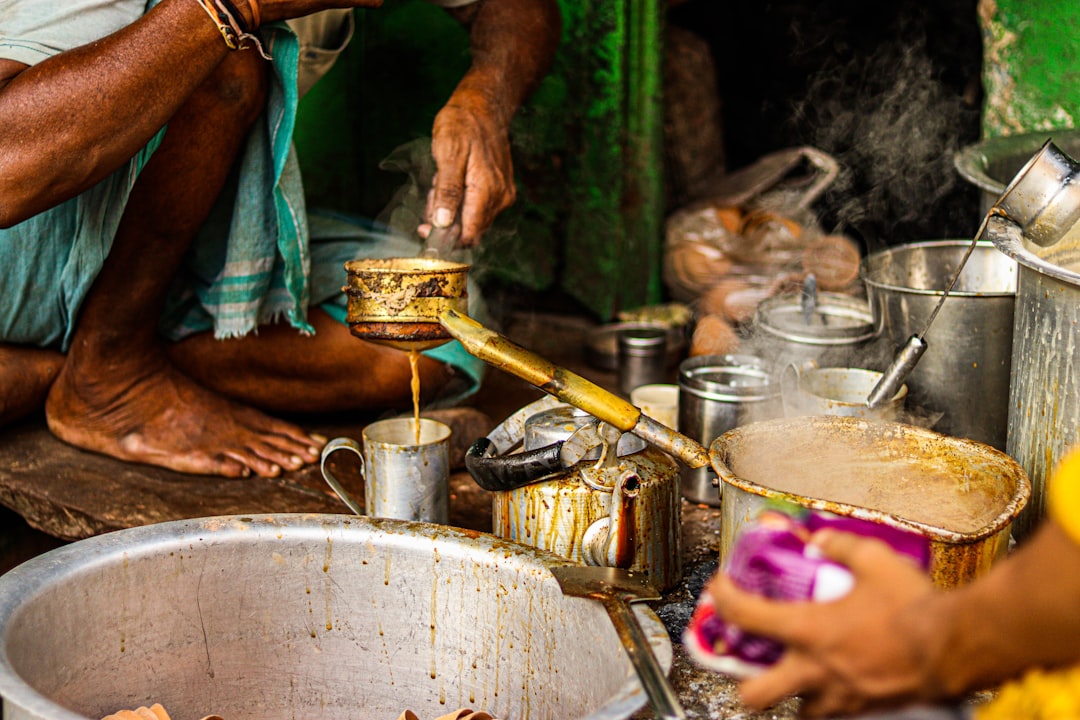
South Indian filter coffee has always been more than a morning drink. It is a social contract between generations. The grandmother who wakes at 5 am to set the filter, the father who carries the tumbler to his reading chair, the child who learns to pour from height to create froth: these are acts of cultural transmission that no specialty café can fully replicate. What we are seeing now is not a replacement of this tradition but an expansion of it. Young urban Indians are discovering single-origin beans from Chikkamagaluru and Coorg, and they are choosing to brew them in the same steel filter their parents used. The device has not changed. The curiosity around it has grown enormously. This is a very healthy sign for Indian coffee culture as a whole.
Industry perspective, specialty coffee and home brewing professionals in Bengaluru






Step-by-step: brewing decoction at home
Good filter coffee begins with the correct process. 4 variables determine whether the decoction turns out well: grind size, dose, water temperature, and contact time. Keep each variable consistent and you will get a reliable cup every time.
First, add 3 to 4 teaspoons of filter coffee powder to the upper chamber. The plunger’s function is to compact the coffee bed slightly. Resting the disc flat on the grounds is sufficient. Over-pressing is a common and counterproductive mistake. Next, pour water at just below boiling temperature, between 90 and 96 degrees Celsius. Cover the filter and wait. This slow drip takes about 15 to 20 minutes to produce a strong dark decoction in the lower chamber.
Once the decoction is ready, heat full-fat milk separately until it is hot. In a tumbler, pour 1/3 to 1/2 cup of the coffee decoction depending on your preferred strength. Add hot milk and sugar to taste. Now comes the most important step.
The art of pulling kaapi
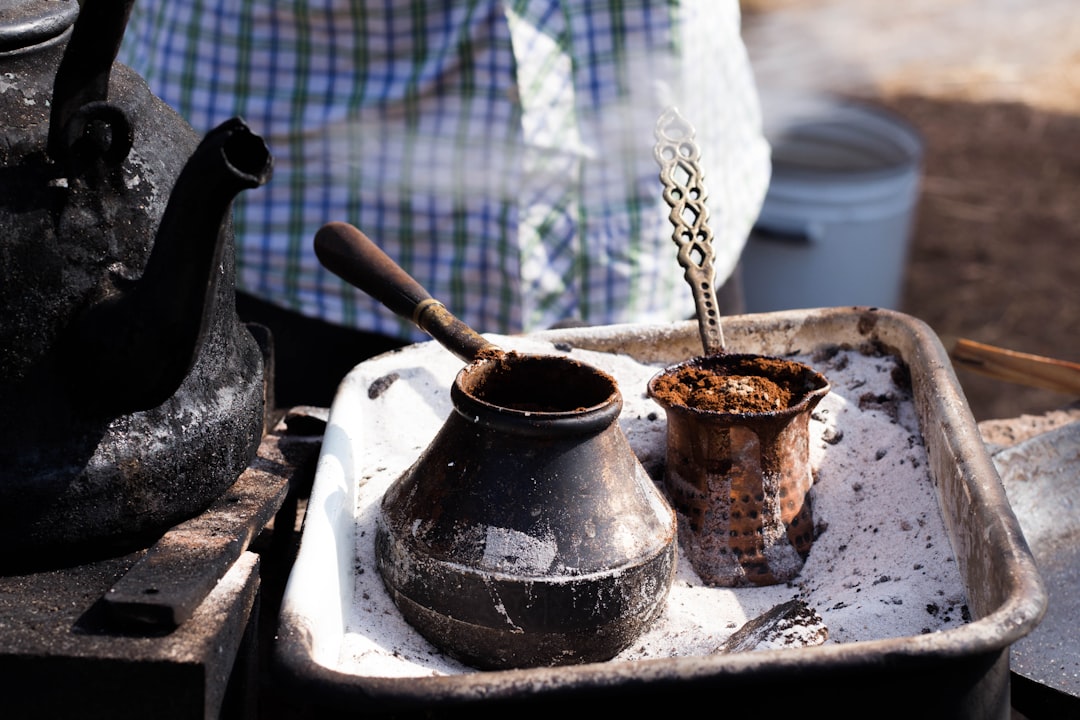
The froth is what separates a home-brewed kaapi from any other coffee. Pour the coffee mixture back and forth between 2 mixing vessels, increasing the height as you pour. This action stretches the coffee, cools it down, and creates a head of frothy bubbles that is the signature presentation of this drink. Continue to pour back and forth until the coffee, milk, and sugar are mixed well and you have the amount of froth you like.
The pouring back and forth between the dabara and tumbler has given rise to another name for this coffee: meter coffee. Other names include Kumbakonam degree coffee, Mylapore filter coffee, Madras kaapi, and kaapi, which is a South Indian phonetic approximation of the word “coffee.”
Serve the filter coffee hot, in the dabara set, and drink it immediately. Use decoction within 30 minutes because old decoction turns bitter. If you brew more decoction than you need, extra decoction can be stored in the fridge for up to 3 days.

Why filter coffee matters more than ever
India’s coffee landscape is changing rapidly. Once dominated by instant coffee and traditional filter kaapi, the country’s coffee market is experiencing an unprecedented transformation as specialty coffee culture takes root in urban cities. Yet filter coffee holds its ground with pride. South India accounts for 49.8 percent of the coffee market in 2025, backed by strong coffee culture, concentrated domestic production in Karnataka, Kerala, and Tamil Nadu, and a traditional preference for filter coffee.
Traditional filter coffee remains popular in southern India, while the rising trend of home brewing, fueled by e-commerce platforms, has further diversified demand. Today, a new generation of home brewers is rediscovering filter coffee not as a relic but as a refined daily practice. The steel filter, the aromatic decoction, and the ritual pour: these connect us to something real.
Conclusion
Filter coffee is India’s most honest cup. It asks for your attention, rewards your patience, and delivers a brew that no machine can shortcut. This complete filter coffee guide gives you everything you need to start at home today. Try a traditional 80:20 blend first, master the decoction, and practice your pour. Once you experience genuine filter coffee in your own kitchen, you will understand why generations of South Indians have never settled for anything less. Share your first cup with someone you love, and pass the tradition forward.
Discover more about filter coffee
- Indian Coffee Association – Coffee Information and Resources
- Indian Coffee Beans: How to brew South Indian filter coffee, a detailed technical guide
- Perfect Daily Grind: Specialty coffee is expanding in India and the market shows promise
Originally published on INDIAwebzine.