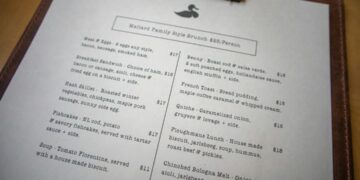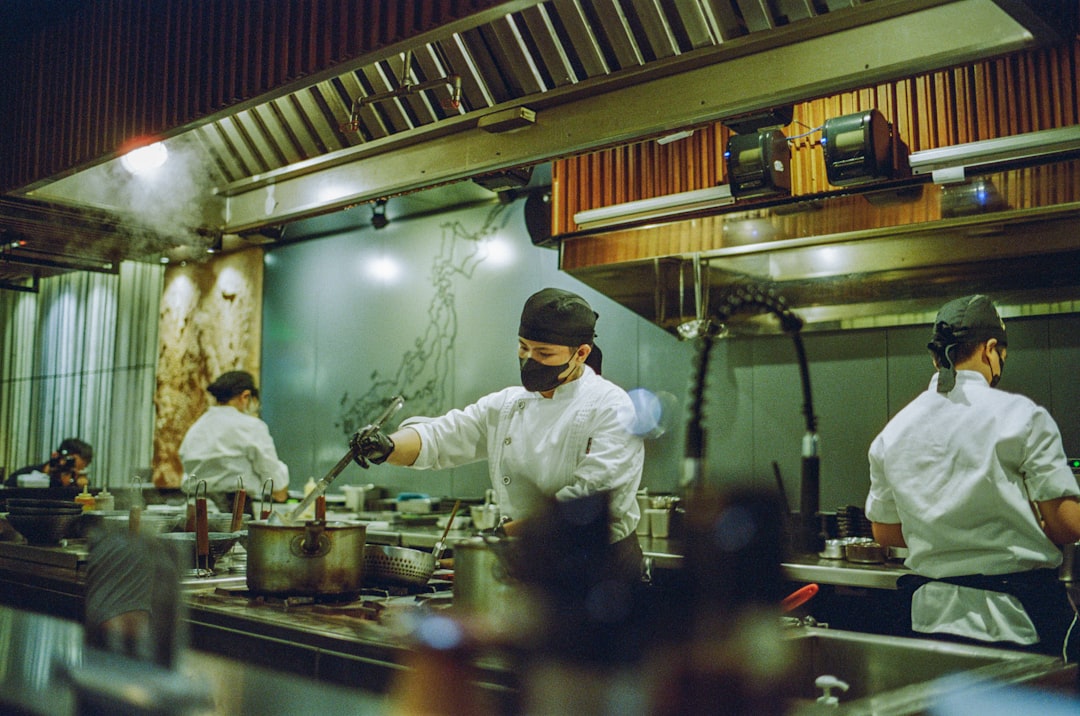
Der saisonale Wandel kommt in der letzten Augustwoche leise daher, wenn sich der Gastraum jeden Abend ein wenig früher leert und die Küche endlich Raum zum Durchatmen, Nachdenken und Vorbereiten auf das Kommende hat.
Wie ein Rückgang des Tourismus den Gastraum verändert
Der Wandel erfolgt nicht plötzlich. Er baut sich über Tage auf. Die Tische füllen sich beim Mittagessen langsamer. Der Ansturm am Abend erreicht früher seinen Höhepunkt und endet, bevor die Küche wirklich müde ist. Der rückläufige Tourismus beeinflusst mehr als nur die Anzahl der Gäste, die zur Tür hereinkommen. Er beeinflusst nahezu jede betriebliche Entscheidung eines Restaurants, von der Personalplanung bis hin zu Lieferantenbeziehungen.
Für die gehobene Gastronomie ist das Risiko erheblich. Die Abhängigkeit vom Tourismus ist im Fine-Dining-Segment am höchsten, wo durchschnittlich 41% des Umsatzes von Reisenden und Besuchern stammen. Für einige gehobene Restaurants ist der Anteil sogar noch größer: 1 von 4 Gastronomen im Fine-Dining-Bereich geben an, dass Besucher für mindestens 60% ihres Jahresumsatzes verantwortlich sind.

Teams, die diese Zahl verstehen, planen entsprechend. Sie lesen die Daten aus den Vorjahren, notieren die genaue Woche, in der der Rückgang beginnt, und bereiten sich darauf vor. Erfolgreiche Restaurants verfolgen und analysieren eine Reihe von Faktoren, darunter Wetterbedingungen, Feiertage, Veranstaltungen und Tourismustrends. Der Vergleich der täglichen und der Jahresumsatzdaten mit diesen Variablen hilft Gastronomen, Nachfrageverschiebungen zu antizipieren und fundierte Entscheidungen zu Personal, Inventar, Marketing, Menügestaltung und Cashflow zu treffen.
Den Service bei geringerer Auslastung steuern
Das Tempo Ende August erfordert eine andere Disziplin als in der Hochsaison. Im Juli bestimmen Schnelligkeit und Volumen die Schicht. Ende August ist Präzision das Ziel. Weniger Gäste bedeuten, dass jeder Tisch mehr Gewicht hat und jede Interaktion sichtbarer wird.
Ein sommerlicher Rückgang betrifft viele Betriebe von Ende Juli bis Anfang September. Einheimische fahren in den Urlaub, der Schulanfang verändert die Familienroutinen und Wetterverhältnisse reduzieren die Abendgastronomie. Betriebe, die dies nicht einplanen, verlieren wertvolle Margen, weil sie versuchen, bei sinkenden Einnahmen mit normalen Personalkosten zu arbeiten.

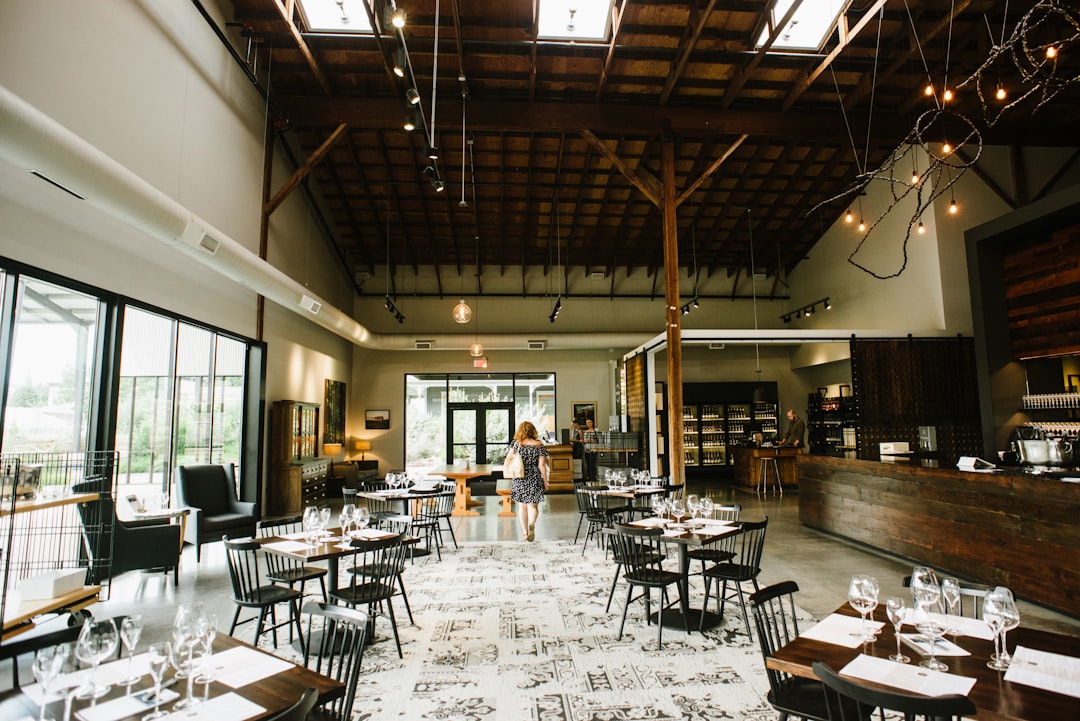
Clevere Restaurantleiter reagieren mit einer Umstrukturierung der Bereiche. Sie legen Servicestationen zusammen, setzen ihre erfahrensten Mitarbeiter auf der Fläche ein und verlangsamen das Tempo bewusst. Ein Gast, der in einen ruhigeren Raum kommt, erwartet eine andere Erfahrung: mehr Aufmerksamkeit, mehr Gespräch, mehr Sorgfalt. Das Team, das dies liefert, verwandelt eine Zeit mit geringerem Volumen in einen Moment der Kundenbindung.
Personalentscheidungen, die das Kernteam schützen
Bei der Personalplanung wird der saisonale Wandel zum finanziellen Test. Schwankende Nachfrage verkompliziert Personalstrategien. Ein zu hoher Personalbestand in ruhigen Zeiten erhöht die Arbeitskosten, während ein zu niedriger Personalbestand die Servicequalität gefährdet, wenn die lokale Nachfrage unerwartet steigt.
Der effektivste Ansatz besteht darin, Kernpersonal von Saisonpersonal zu trennen, bevor der Rückgang eintritt. Es ist wichtig, den Personalbedarf 60 Tage oder mehr im Voraus zu planen, da reaktive Personalreduzierungen in der Nebensaison oft zu Serviceproblemen durch überhastete Übergänge führen. Teams, die früh planen, vermeiden den Stress von Last-Minute-Planänderungen, die die Moral schädigen und den Service destabilisieren.
Einige Betriebe behalten das Kernpersonal bei reduzierten Stunden bei, während sie das Hilfspersonal reduzieren. Einige führen während ruhiger Zeiten Programme zur gegenseitigen Weiterbildung durch, damit das Personal motiviert bleibt und neue Fähigkeiten entwickelt. Manche bieten dem Personal an, den Urlaub in ruhige Zeiten zu legen. Jeder dieser Ansätze hält das Team intakt und bereit für den Herbstansturm.
Expertenperspektive zum saisonalen Zeitfenster
Die Wochen zwischen Sommer und Herbst sind keine Lücke im Kalender. Sie sind die nützlichsten Wochen, die ein Gastronomieteam das ganze Jahr über hat. Tourismusgetriebener Service läuft in einem Tempo ab, das wenig Raum für Reflexion oder Verfeinerung lässt. Wenn sich dieses Tempo verlangsamt, kann das Team endlich die Fragen stellen, auf die es ankommt: Welche Gerichte funktionieren, welche nicht, welche Servicegewohnheiten sind automatisch geworden und welche müssen korrigiert werden? Betreiber, die Ende August nutzen, um interne Schulungen durchzuführen, die Menüleistung mit dem gesamten Küchenteam zu überprüfen und Lieferantenbeziehungen neu aufzubauen, sind diejenigen, die mit echtem Selbstvertrauen in den Herbst starten. Der saisonale Wandel ist ein Neustart, und die Teams, die ihn auch so behandeln, übertreffen konsequent diejenigen, die einfach nur darauf warten, dass das Volumen zurückkehrt.
Branchenperspektive, saisonale Betriebe und Fachleute für Gastronomiemanagement
Wie sich Speisekarten auf den Herbst zubewegen
Die Speisekarte ist das sichtbarste Signal für einen saisonalen Wandel. Saisonale Übergangszeiten sind in der Regel das beste Zeitfenster für Menüaktualisierungen. Dies ist der Zeitpunkt, an dem Zutaten, Wetter und Gästeerwartungen zusammenpassen, wodurch sich Änderungen eher natürlich als störend anfühlen.
-






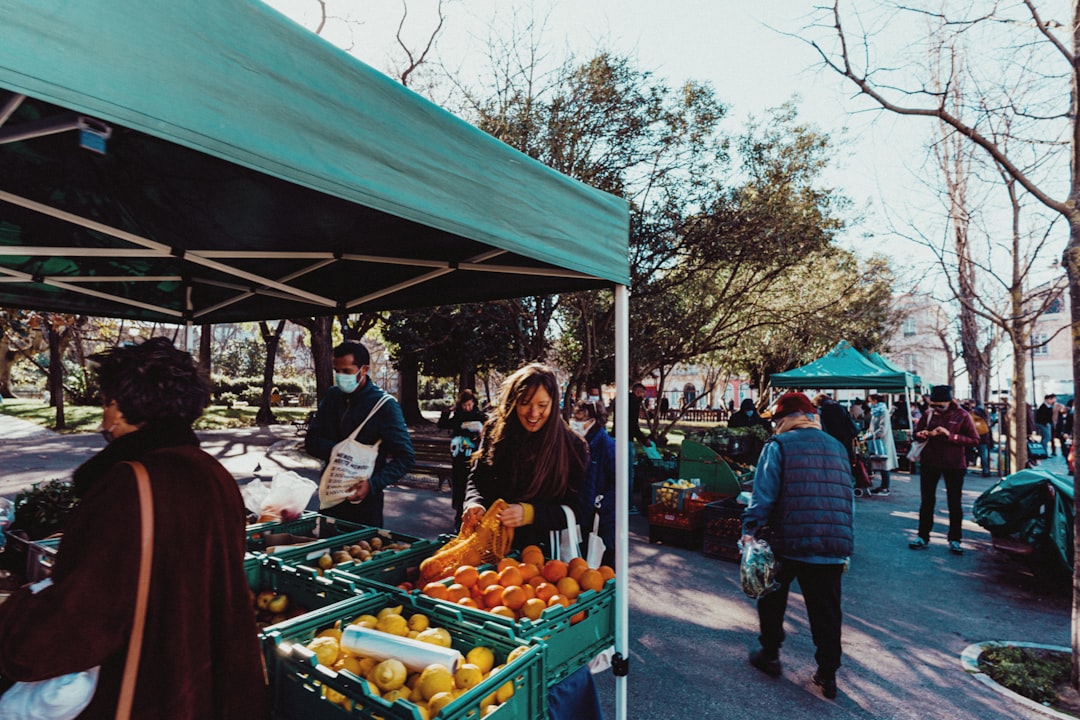
Der Spätsommer bis Frühherbst verlangt nach gemütlichen Gerichten, wärmeren Getränken und kräftigeren Aromen. Für Teams, die mit lokalen Erzeugern arbeiten, ist dies keine philosophische Entscheidung. Es ist einfach eine Widerspiegelung dessen, was Land und Meer in diesem genauen Moment bieten. Die Tomaten haben ihren letzten Höhepunkt. Wurzelgemüse kommt früh an. Das Licht auf dem Wasser ist anders, und die Küche sollte darauf reagieren.
Gestraffte Menüs reduzieren die Komplexität der Küche und die Arbeitskosten in Zeiten, in denen die Umsetzung einer vollständigen Speisekarte nicht wirtschaftlich ist. Viele Betriebe führen vereinfachte saisonale Menüs, die der betrieblichen Realität entsprechen. Der Schlüssel liegt im Framing: Kommunizieren Sie Menüänderungen klar und stellen Sie sie als saisonalen Fokus dar, nicht als Servicekürzung.
Saisonaler Wandel als beruflicher Neustart
Der saisonale Wandel Ende August ist kein Problem, das gelöst werden muss. Es ist ein Rhythmus, den es zu verstehen gilt. Restaurants, die diesen Moment klar lesen, nutzen ihn, um jeden Teil ihres Betriebs zu stärken: die Fläche, die Küche, das Team und die Speisekarte. Der saisonale Wandel lehrt Disziplin, wie es das Spitzenvolumen niemals kann.
Die Teams, die im September zur vollen Kapazität zurückkehren, tun dies mit saubereren Systemen, besser geschultem Personal und Menüs, die genau widerspiegeln, wo die Saison steht. Sie tragen die stille Autorität von Menschen, die nicht darauf gewartet haben, dass sich die Dinge von selbst verbessern. Sie haben den saisonalen Wandel genutzt, um die Dinge zu ihren eigenen Bedingungen zu verbessern, bevor die nächste Welle ankommt.
Wenn Sie in einer Restaurantküche oder im Service arbeiten, achten Sie auf dieses Zeitfenster. Es belohnt die Teams, die es ernst nehmen.
Entdecken Sie mehr über den saisonalen Wandel
- UN Tourism Seasonality Dashboard
- National Restaurant Association: Nachlassende Tourismusausgaben und Bedingungen im Restaurantgeschäft
- Bars und Restaurants auf Mallorca melden Umsatzrückgang im August 2026