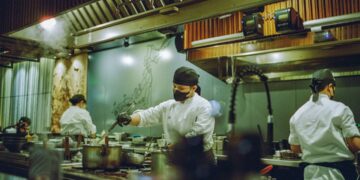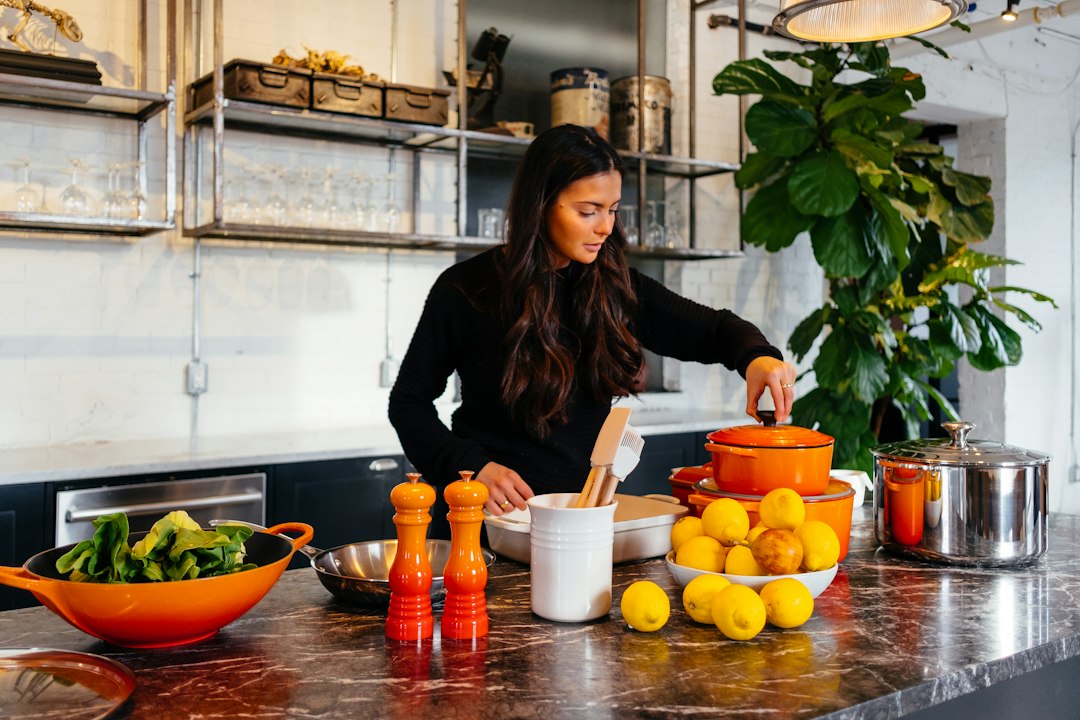
Autumn menus are not a marketing exercise. They are the clearest signal a kitchen can send: we pay attention to where we are, and we cook to the moment the land offers right now.
Sourcing becomes the first decision
Before a single dish changes, sourcing must shift. In Nordic kitchens, the calendar is a strict discipline. Spring brings foraged greens and new dairy. Autumn brings root vegetables, game, and preserved ferments made from summer surplus. This rhythm is not optional for kitchens that want to cook honestly.

Consumer expectations have changed significantly in recent years. Diners now read menus with greater care and ask more questions about ingredient origins. A 2025 survey by the National Restaurant Association found that 74% of adults prefer to dine at restaurants that serve locally sourced food.
Seasonal ingredients are fresher, more flavorful, and often less expensive than imported alternatives. Menus built around local produce also reduce transportation emissions. This matters to a growing number of guests across global markets.
Autumn menus compress the dish count
Most operators run summer menus that are too long. Autumn is the right moment to correct this. Streamlined menus reduce kitchen complexity and labour cost during periods when full-menu execution is not economical. Many operations run simplified seasonal menus that match operational reality. The key is framing: communicate menu changes clearly, and frame them as seasonal focus, not as service reduction.

The restaurant industry has moved toward more frequent menu rotation. Technomic’s State of the Menu 2025 report found that limited-time offers across restaurants increased 128% over the past 5 years. That growth reflects a clear consumer signal: diners want something new to try.
Fewer dishes, cooked with full attention, consistently outperform long menus built for convenience. A tighter autumn card also gives kitchen teams the confidence to execute every plate at a high standard from the first service.
Root vegetables and warm proteins replace summer produce
In autumn, people tend to lean towards richer sauces, root vegetables, and more comforting main dishes. This is not revolutionary, but it remains powerful because it matches how people naturally want to eat.
Fall and winter call for hearty proteins, root vegetables, braised dishes, warm soups, and rich desserts. Comfort food demand increases as temperatures drop. Operators who plan around this shift rather than react to it avoid gaps between what the kitchen stocks and what guests order.
Plates in forward-looking restaurants now feature forgotten vegetables such as parsnip, salsify, Jerusalem artichoke, horseradish, black radish, and turnip, alongside fermented products and creative herb-infused preparations. These ingredients cost less than imported alternatives and carry more flavour at peak harvest.

Expertenperspektive auf den saisonalen Wandel
The menu is the most visible signal of a seasonal shift. Late summer to early autumn calls for comfort-oriented dishes, warmer beverages, and richer flavours. For teams working with local producers, this is not a philosophical choice. It is simply a reflection of what the land and sea offer at this exact moment. Operators who use late August to run internal training, review menu performance with the full kitchen team, and rebuild supplier relationships are the ones who open autumn with genuine confidence. The seasonal shift is a reset, and the teams that treat it as one consistently outperform those who simply wait for volume to return.
Branchenperspektive, saisonale Betriebe und Fachleute für Gastronomiemanagement
Autumn menus extend to the drinks list
Seasonal adaptation stops too early when it covers food but ignores beverages. As autumn and winter promotions arrive, one theme stands out: brands lean heavily on refreshing familiar platforms with seasonal flavours rather than introducing entirely new items. Seasonal limited-time offers focus on low-risk innovation that drives repeat visits and incremental traffic.
Seasonal beverages remain one of the most reliable autumn traffic drivers, often becoming repeat purchases throughout the season. Warm spiced drinks, fermented grain beverages, and apple-based pairings all perform well when temperatures drop. These additions require minimal investment and produce measurable increases in average spend per cover.
The drinks list also supports atmosphere. A hot drink served in a heavy ceramic cup communicates season more directly than any piece of décor. Small material choices at the table level carry significant sensory weight.
Atmosphere shifts alongside the plate
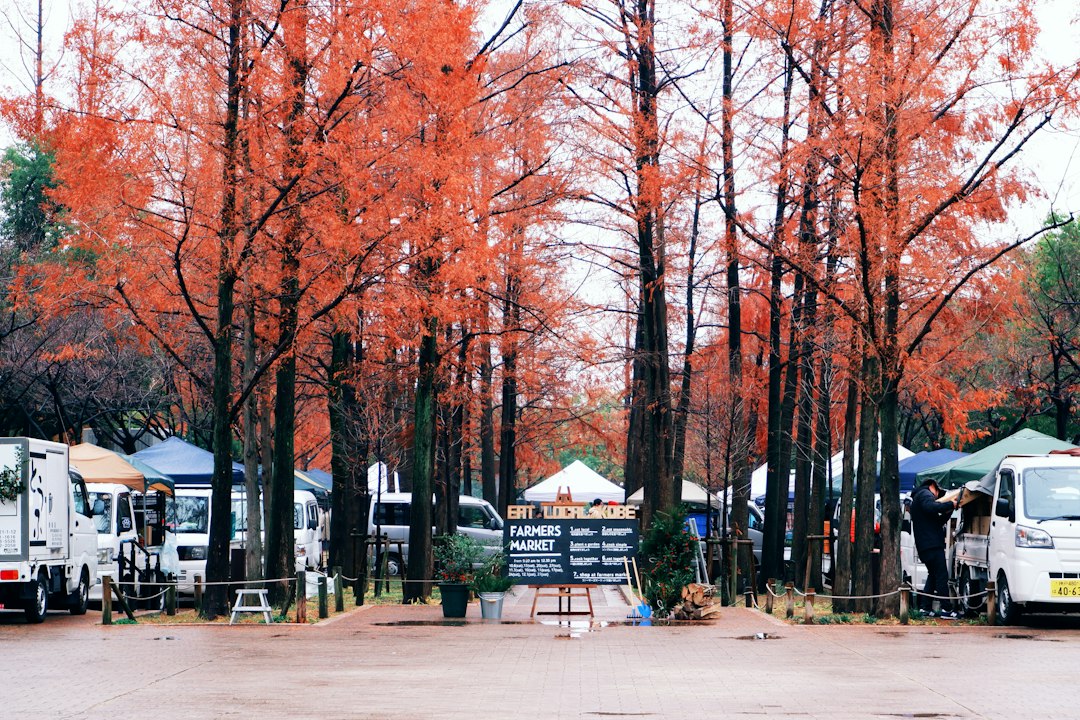
Adjusting a restaurant’s ambience to reflect the changing season is as important as adjusting the menu itself. Lighting is the fastest lever. Lower, warmer light signals a slower, more intimate pace. Guests who feel comfortable tend to stay longer and spend more.
With dropping temperatures, there may be less customer interest in outdoor seating. Improving indoor spaces or creating attractive outdoor areas with heaters helps meet the evolving demands of customers. Well-designed heated terraces extend the outdoor season by 6 to 8 weeks in many climates, without a large capital investment.
Customers are seeking experience beyond the plate. Regardless of the type of restaurant, memorable dining is essential. Otherwise, guests will choose to order online or take food away instead. Attention to decor, design, and overall ambiance is becoming a key competitive factor.

Sustainability frames autumn menus at the global level
The seasonal shift connects individual kitchens to a broader movement. Sustainable gastronomy draws its strength from ancestral agrifood systems that prove tradition and sustainability can flourish side by side.
Seasonality continues to be a powerful trend in the foodservice industry. It is not just about offering what is in season, but rather creating a narrative around those seasonal ingredients to serve consumers who are more aware of sustainability and food provenance than ever before.
In hospitality, seasonality does more than shape flavour. It affects margins, supplier relationships, staff confidence, guest expectations, and the overall feel of a venue. Operators who communicate this narrative clearly, on menus, on social channels, and in staff briefings, build a loyalty that price alone cannot create.
Staff preparation is the hidden variable
The most precise autumn menu fails if the team cannot explain it. Internal training before the seasonal launch is not optional. Tourist-driven service runs at a pace that leaves little room for reflection or refinement. When that pace slows, the team can ask the questions that matter: which dishes are working, which are not, and which service habits need correction. Operators who use this period to run internal training and review menu performance with the full kitchen team open autumn with genuine confidence.
Staff who understand why a dish exists, which farm supplied the vegetable, and what the correct pairing is, sell it with conviction. That conviction transfers directly to the guest experience. It is the difference between a seasonal menu that guests remember and one they simply eat.
-






Conclusion: autumn menus as a year-round commitment
For hospitality businesses, seasonality is now part of the wider promise made to guests. It signals freshness, care, and confidence. Done well, it also makes commercial sense.
Autumn menus reward operators who treat the season as a discipline, not a decoration. The 8 strategies above, from sourcing to staff training, work best when they connect to each other. Source honestly, simplify the card, shift the atmosphere, train the team, and the autumn menus write themselves. Guests feel the difference. They return because of it. If this seasonal approach connects with how your kitchen already works, share it with the team and use it as a briefing framework before your next seasonal launch.
Erfahren Sie mehr über Herbstmenüs
- FAO: Sustainable Gastronomy Day 2026, Celebrating Food Heritage
- How Often Should You Change Your Restaurant Menu: Technomic State of the Menu Insights
- Seasonal Menus Hospitality Trends in 2026