The selection of knives is crucial for culinary success, as professional chefs rely on quality blades for precision and efficiency. Furthermore, understanding blade types, materials, and maintenance extends knife lifespan while improving cutting performance. Indeed, investing in proper chef knives transforms cooking experience from frustrating to professional.
What Makes Professional Knife Selection Critical?
Professional chefs spend 70% of prep time using knives. Consequently, quality blades reduce fatigue and increase precision significantly. Kitchen equipment investment begins with essential knife collection.

Additionally, proper knife selection prevents injuries through better control. Therefore, balanced weight distribution and sharp edges require less force. Moreover, specialized blades optimize different cutting techniques efficiently.
Restaurant kitchens require knives withstanding daily professional use. For instance, high-carbon steel maintains sharpness longer than alternatives. Thus, professional-grade equipment justifies higher initial investment through longevity.
Which Essential Knives Belong in Professional Kitchens?
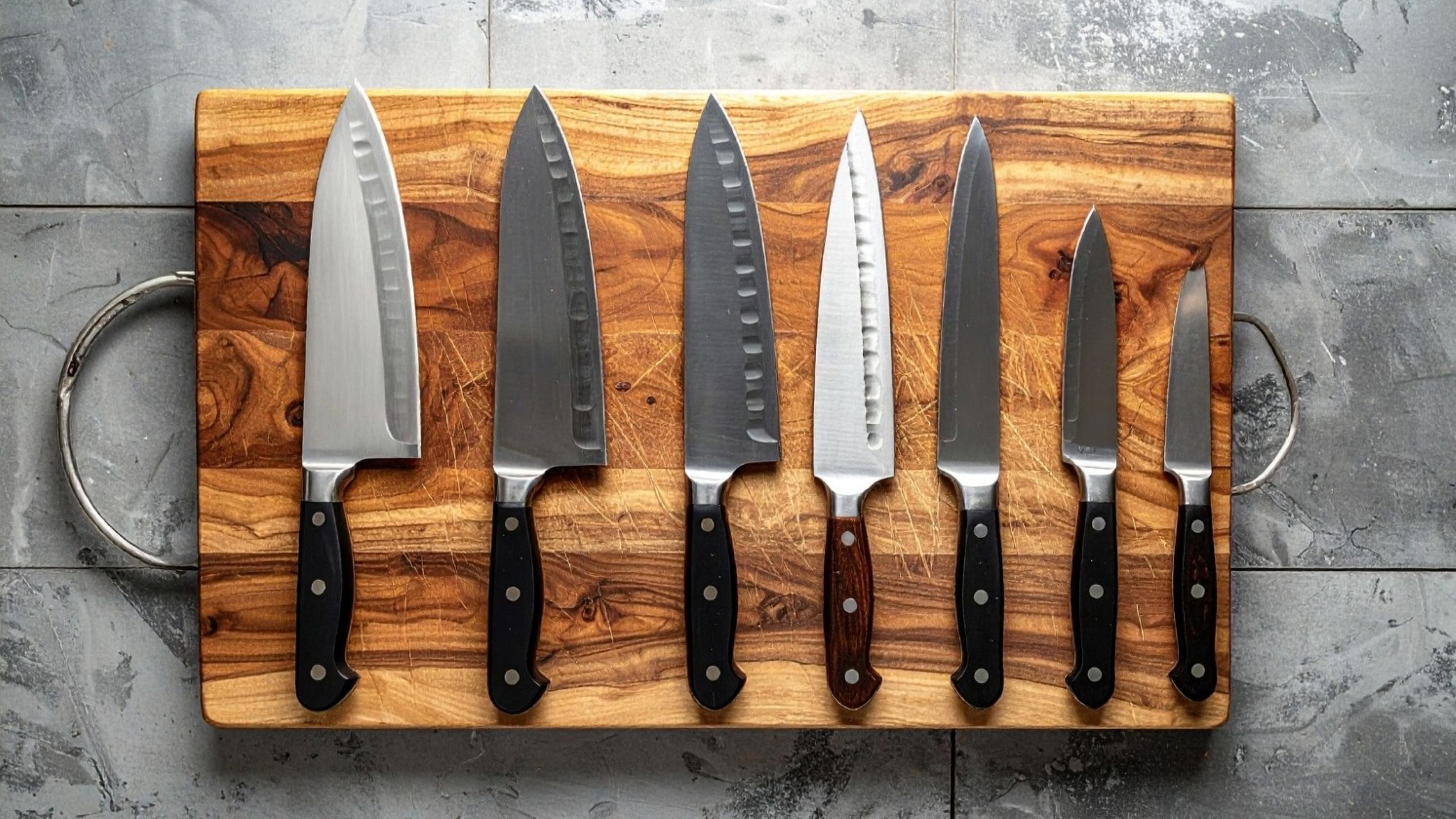
Chef’s knife (8-10 inches) serves as primary workhorse blade. Furthermore, curved belly enables rocking motion for chopping herbs. French and German styles offer different balance and weight.
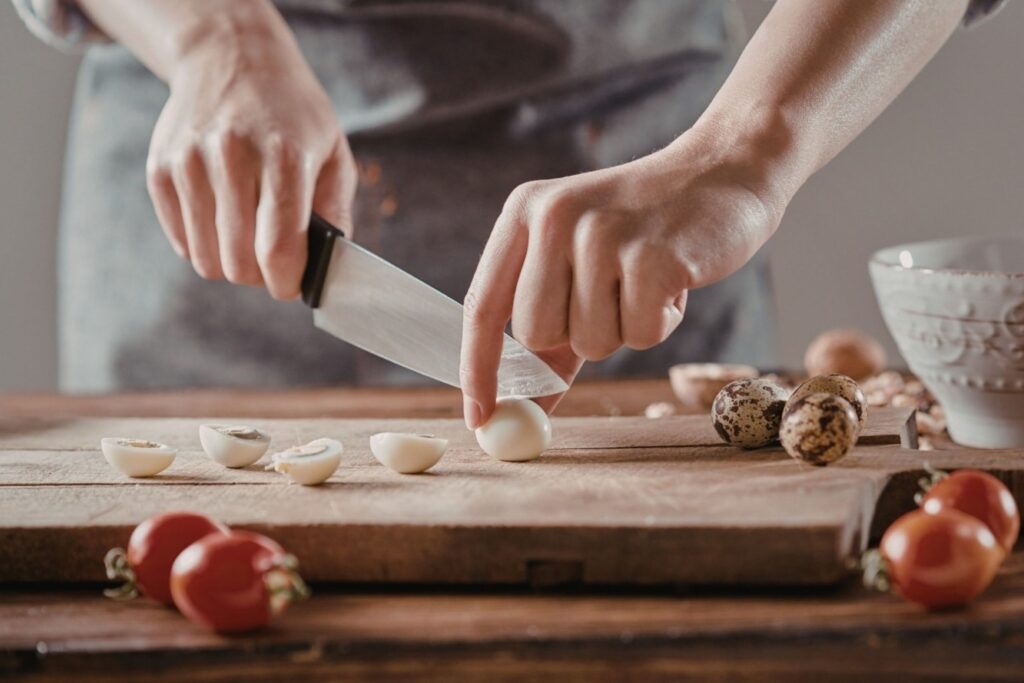
Paring knife (3-4 inches) handles delicate detailed work precisely. However, peeling, trimming, and garnishing require maneuverability and control. Also, lightweight design prevents hand fatigue during extended use.
Serrated bread knife (9-10 inches) cuts crusty bread without crushing. Meanwhile, scalloped edge grips smooth tomato skins effectively too. Certainly, longer blade accommodates large artisan loaves completely.
Boning knife (5-6 inches flexible) removes meat from bones efficiently. For example, narrow blade navigates joints and contours easily. Besides, flexibility allows following bone structure precisely minimizing waste.
How Do Blade Materials Affect Performance?
High-carbon stainless steel balances sharpness retention and rust resistance. Nevertheless, maintains edge longer than pure stainless requiring less frequent. Specifically, popular brands including Wüsthof and Zwilling use this alloy.
Carbon steel holds sharpest edge but requires more maintenance. On the other hand, develops patina over time affecting appearance. Additionally, reactive metal discolors with acidic foods temporarily.
Ceramic blades stay sharp exceptionally long without sharpening needed. For instance, hardness exceeds steel but brittleness risks chipping. Besides, lightweight design reduces wrist strain during repetitive cutting.
Damascus steel features distinctive pattern from layered forging process. Thus, combines aesthetic beauty with functional performance qualities. Furthermore, premium pricing reflects artisan craftsmanship and materials quality.
What Professional Chefs Say About Knife Investment?
Chef Thomas Keller, The French Laundry
“Knife selection represents most important equipment decision for chefs. Professional kitchen efficiency depends on blade quality and maintenance. Additionally, proper knives become extension of chef’s hands naturally.”
“I’ve used same 10-inch chef’s knife for 25 years. Kitchen equipment that’s maintained properly lasts professional careers. Furthermore, muscle memory develops with consistent tool use. Invest in quality once rather than replacing cheap knives repeatedly.”
Uruguayan Asado: Grill & Mate Culture
Uruguayan asado brings people together through slow-grilled meat and mate tea. Discover South American grill traditions and social rituals.

Belgian Fries: Best Potato Varieties
Belgian fries demand the right potatoes for that perfect crispy exterior and fluffy interior. Therefore, choosing the correct variety makes...

April Fools: Fish, Food & Fun Origins
April Fools has a secret and it smells like the sea. Every year on April 1, millions of people worldwide...

Beer Workshop Success in 7 Simple Steps
Planning a Beer Workshop combines two popular passions into one memorable event. Additionally, pairing craft brews with live music creates...
Which Construction and Maintenance Factors Matter Most?
Full tang construction extends blade through entire handle length. Therefore, superior balance and durability compared to partial tang. Currently, visible metal along handle spine indicates full tang.
Bolster weight provides balance point between blade and handle. As a result, properly positioned bolster reduces hand fatigue significantly. Moreover, protects fingers from slipping onto blade edge.
Hand washing immediately prevents corrosion and damage from dishwashers. Meanwhile, hot water and detergent sufficient for cleaning. Certainly, dry thoroughly before storage preventing rust spots.
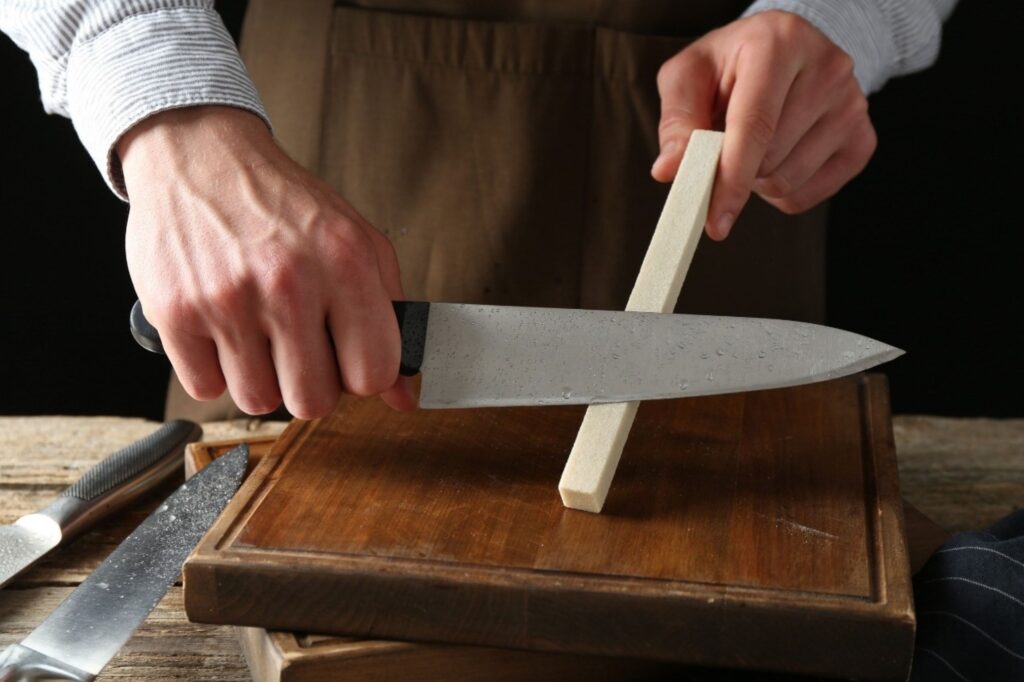
Regular honing realigns blade edge between sharpening sessions maintaining performance. Nevertheless, professional sharpening every 3-6 months depending on usage. Specifically, proper storage protects blade edges from dulling.
What Budget Strategy Works for Building Collection?
Start with chef’s knife investing $150-300 in quality 8-inch. Meanwhile, this single knife handles 80% of cutting tasks. Popular entry-level professional brands include Victorinox and Mercer.
Add essentials gradually purchasing one knife every 2-3 months. However, prioritize paring knife second, then serrated bread knife. Also, specialty knives like boning added as technique develops.
Consider knife sets cautiously as many include unnecessary specialty blades. For instance, sets often contain knives rarely used professionally. Besides, individual selection ensures each knife serves specific purpose.
Balance quality and budget recognizing diminishing returns above certain price. Thus, $200-400 chef’s knife performs comparably to $800 alternatives. Furthermore, proper maintenance matters more than premium materials ultimately.
Conclusion: Building Professional Knife Selection Foundation
Investing in a good selection of knives pays dividends in terms of improved efficiency and precision. Furthermore, with proper care, quality professional kitchen equipment can last for decades.
Start with an essential chef’s knife from a reputable manufacturer with a proven track record. Furthermore, develop proper maintenance habits to ensure optimal performance and longevity. Add speciality knives as your skills and budget allow.
Choose knives that match your hand size, grip style and cooking needs. Indeed, personal fit matters more than brand reputation alone. Start building your professional knife collection to achieve culinary excellence.