Staffing solutions address the most critical challenge currently facing the restaurant industry, namely the ongoing impact of labor shortages on operations on a nationwide scale. Furthermore, effective hiring and retention strategies are directly linked to a restaurant’s profitability and the quality of its service. Indeed, understanding best practices in workforce management is key to building stable, skilled teams.
What Makes Restaurant Staffing Solutions Critical in 2026?
The restaurant industry currently faces an annual turnover rate of 73%. This leads to significant costs from constant hiring and training. Analysts project labour challenges continuing through 2030.

Post-pandemic, workforce expectations have changed dramatically and permanently. Competitive wages alone no longer attract talent effectively. Work-life balance and growth opportunities are now deciding factors.
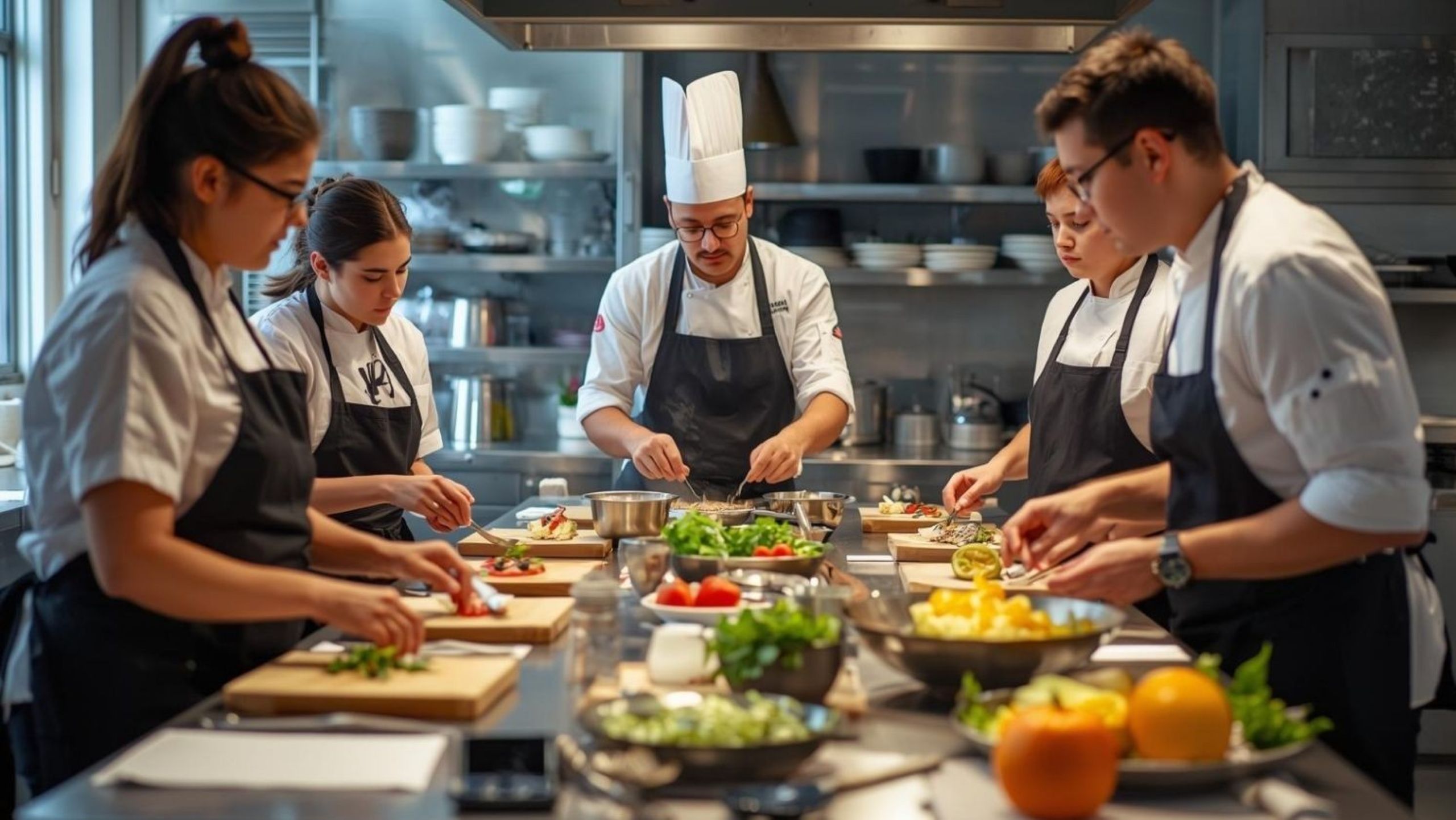
Kitchen staff shortages force menu simplifications and reduced hours. For instance, 42% of restaurants operate with understaffed kitchens. Thus, Staffing solutions directly impact revenue and customer satisfaction.

Which Hiring Strategies Attract Quality Restaurant Staff?
Competitive compensation packages include base pay plus performance bonuses. Furthermore, transparent wage scales demonstrate fairness and growth potential. Industry benchmarks show 15-20% above minimum wage attracts applicants.
Flexible scheduling systems accommodate staff availability and preferences better. However, rotating shifts and predictable schedules improve retention. Also, mobile apps enable shift swapping reducing scheduling conflicts.
Skills-based hiring focuses on attitude and trainability over experience. Meanwhile, many successful chefs started as dishwashers learning gradually. Certainly, internal promotion pathways motivate long-term commitment strongly.
Employee referral programs leverage existing staff networks effectively. For example, $500 bonuses for successful hires after 90 days. Besides, current employees recommend candidates matching culture fit.
How Do Retention Strategies Reduce Restaurant Turnover?
Career development programs provide clear advancement pathways transparently. Sous chef training for line cooks is a commitment-driven process. Specifically, mentorship programmes pair junior staff with experienced chefs.
Recognition systems are regularly used to celebrate achievements beyond financial compensation. Conversely, employee-of-the-month programmes and public recognition have been shown to be effective. Furthermore, gestures such as staff meals and birthday celebrations can foster a sense of loyalty among employees.
Mental health support is a proactive measure that addresses the high levels of stress that are characteristic of the industry. For instance, the provision of counselling services and stress management workshops has been shown to be an effective solution. Furthermore, fostering an environment of open communication has been shown to play a pivotal role in mitigating burnout.
Fair treatment and consistent management practices are foundational to building trust. Transparent policies and equal enforcement are key to preventing resentment. Furthermore, the prompt resolution of grievances is an indication of respect for staff.
What Industry Leaders Say About Staffing Success
Chef Maria Gonzalez, Executive Chef, Chicago Restaurant Group
“Staffing solutions transformed our turnover from 85% to 40%. Restaurant hiring requires treating staff as valued professionals always. Additionally, investing in training yields returns through quality and consistency.”
“We implemented skills development programs and flexible scheduling comprehensively. Retention strategies including profit-sharing motivated team commitment remarkably. Furthermore, promoting from within created culture of growth. Our kitchen stability improved service quality and profitability simultaneously.”
Uruguayan Asado: Grill & Mate Culture
Uruguayan asado brings people together through slow-grilled meat and mate tea. Discover South American grill traditions and social rituals.

Belgian Fries: Best Potato Varieties
Belgian fries demand the right potatoes for that perfect crispy exterior and fluffy interior. Therefore, choosing the correct variety makes...

April Fools: Fish, Food & Fun Origins
April Fools has a secret and it smells like the sea. Every year on April 1, millions of people worldwide...
Beer Workshop Success in 7 Simple Steps
Planning a Beer Workshop combines two popular passions into one memorable event. Additionally, pairing craft brews with live music creates...

Which Technology Tools Streamline Workforce Management?
Applicant tracking systems organize hiring process efficiently reducing time-to-hire. Therefore, platforms like 7shifts and HotSchedules automate workflows. Currently, digital applications reach broader candidate pools effectively.
Scheduling software optimizes labor costs while meeting coverage needs. As a result, AI-powered tools predict busy periods adjusting staffing. Moreover, mobile access enables real-time schedule changes instantly.
Time and attendance systems prevent payroll errors and wage theft. Indeed, biometric clocks ensure accurate hour tracking automatically. Also, integration with payroll software streamlines processing completely.
Communication platforms keep entire team informed about changes immediately. Nevertheless, group messaging apps centralize announcements and updates. Undoubtedly, reducing miscommunication improves operations and morale substantially.
What Training Programs Develop Restaurant Staff Skills?
Cross-training initiatives build versatile teams handling multiple positions. Meanwhile, line cooks learning prep and expediting increase flexibility. Certainly, multi-skilled staff provide better coverage during shortages.
Food safety certification programs ensure compliance and quality standards. However, ServSafe training demonstrates professionalism to customers and inspectors. Also, certified staff command higher wages justifying investment.
Leadership development prepares high-performers for management roles internally. For example, shift leader training for experienced servers gradually. Besides, internal promotions cost less than external hires.
Culinary skills workshops keep staff engaged and growing professionally. Thus, pasta-making classes or butchery sessions build expertise. Furthermore, guest chef demonstrations inspire creativity and learning.
Conclusion: Building Sustainable Restaurant Staffing Solutions
A comprehensive approach is required when it comes to staffing solutions, and this goes beyond offering competitive wages. Furthermore, retention strategies that emphasise organisational culture and professional development have been shown to reduce staff turnover.
Implement flexible scheduling, systematic career development, and recognition programs. Furthermore, leveraging technology to automate administrative tasks efficiently is recommended. Invest in training to demonstrate commitment to staff growth.
Genuinely value every team member. Implement these restaurant hiring strategies to ensure success in 2026.