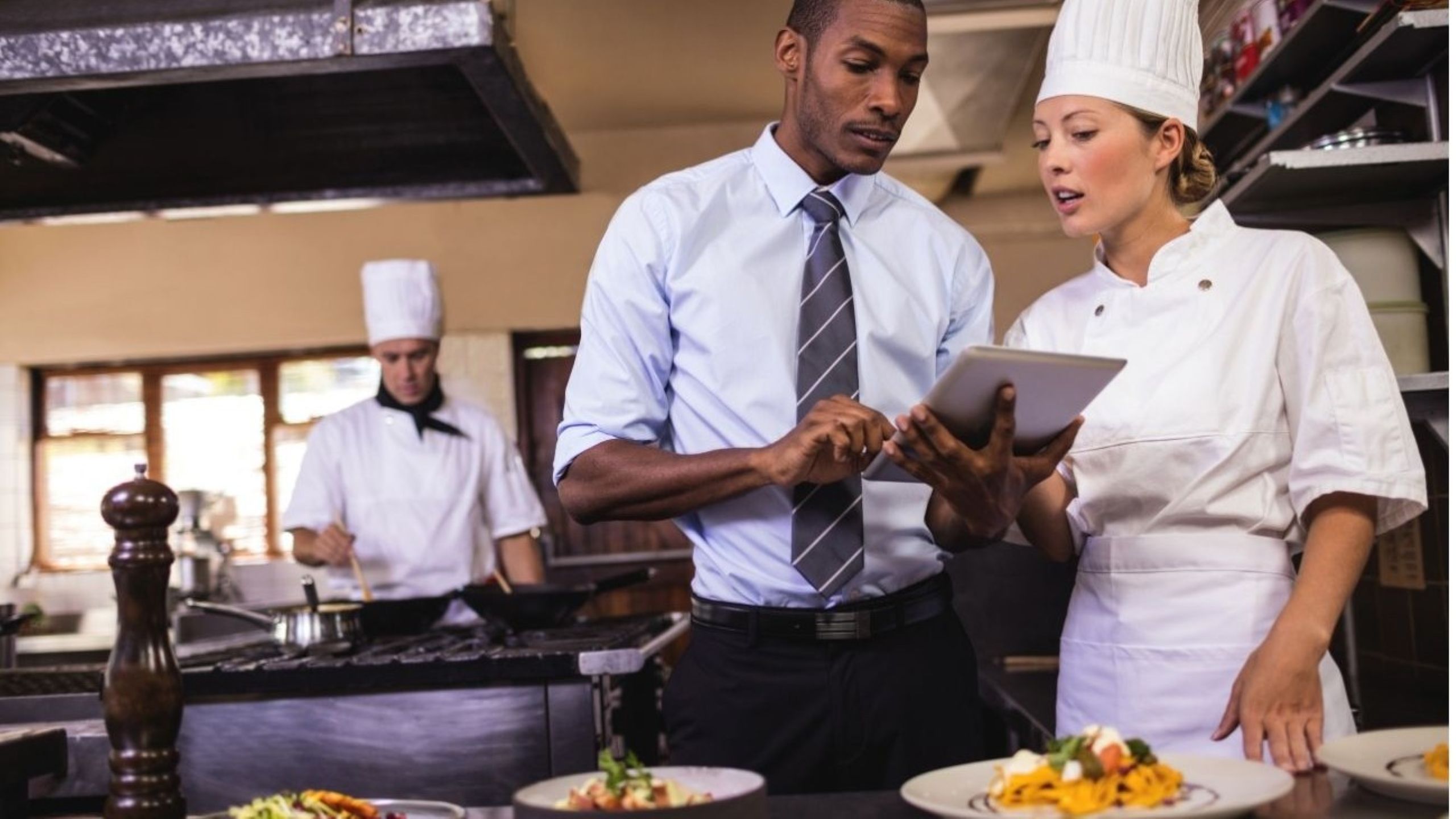
Inventory management systems transform restaurant operations by reducing waste and optimizing costs through automated tracking solutions. Furthermore, modern software integrates seamlessly with POS systems and supplier platforms efficiently. Indeed, understanding inventory management best practices helps restaurant managers improve profitability and operational efficiency significantly.
What Drives Restaurant Inventory Management Innovation in 2026?
Restaurant inventory management software market reaches $4.2 billion globally. Consequently, managers recognize technology as essential for profitability. Industry analysts project 18% annual growth through 2030.

Additionally, food cost percentages directly impact profit margins substantially. Therefore, reducing waste by even 5% increases bottom line. Moreover, labor shortages make automation increasingly critical currently.
Real-time tracking enables data-driven purchasing decisions consistently. For instance, AI predicts demand patterns based on history. Thus, restaurants maintain optimal stock levels without overordering.

Which Software Solutions Lead Restaurant Inventory Management?
MarketMan offers comprehensive inventory tracking with supplier integration. Furthermore, automatic purchase orders generate based on par levels. Real-time food cost calculations update after every transaction.
BlueCart streamlines ordering directly from supplier catalogs digitally. However, consolidated invoicing simplifies accounts payable management significantly. Also, mobile app enables managers to order anywhere.
Toast Inventory integrates natively with Toast POS system seamlessly. Meanwhile, recipe costing tracks ingredient usage per menu item. Certainly, variance reports identify shrinkage and theft quickly.
Lightspeed Restaurant combines inventory with table management and reservations. For example, ingredient depletion tracks automatically after orders. Besides, multi-location support helps restaurant groups centralize operations.
What Best Practices Optimize Restaurant Inventory Control?
Implement perpetual inventory systems that update automatically with sales. Nevertheless, physical counts verify accuracy weekly or bi-weekly. Specifically, cycle counting reduces disruption compared to full inventories.
Establish par levels for each ingredient based on usage. On the other hand, minimum and maximum quantities prevent stockouts. Additionally, seasonal adjustments account for demand fluctuations predictably.
Use FIFO (First In, First Out) rotation consistently. For instance, date all deliveries and place newer stock. Besides, proper labeling prevents expired ingredient usage completely.
Categorize inventory by ABC analysis prioritizing high-value items. Thus, A-items receive daily monitoring while C-items weekly. Furthermore, focus controls where they generate maximum impact.
What Restaurant Managers Say About Inventory Solutions
Sarah Martinez, Operations Manager, Dubai Marina Restaurant Group
“Inventory management software reduced our food costs by 8%. Restaurant waste decreased 35% through automated tracking systems. Additionally, ordering efficiency improved dramatically with supplier integration.”
“Our managers save 10 hours weekly on inventory tasks. Software solutions provide real-time visibility across five locations. Furthermore, data analytics reveal purchasing patterns we never noticed. Investment returned within four months through cost savings.”
Uruguayan Asado: Grill & Mate Culture
Uruguayan asado brings people together through slow-grilled meat and mate tea. Discover South American grill traditions and social rituals.

Belgian Fries: Best Potato Varieties
Belgian fries demand the right potatoes for that perfect crispy exterior and fluffy interior. Therefore, choosing the correct variety makes...

April Fools: Fish, Food & Fun Origins
April Fools has a secret and it smells like the sea. Every year on April 1, millions of people worldwide...
Beer Workshop Success in 7 Simple Steps
Planning a Beer Workshop combines two popular passions into one memorable event. Additionally, pairing craft brews with live music creates...

How Do Automation Features Improve Efficiency?
Automatic purchase orders generate when items reach reorder points. Therefore, managers avoid emergency orders at premium prices. Currently, AI learns seasonal patterns and adjusts recommendations.
Recipe costing calculates exact food cost per menu item. As a result, pricing decisions become data-driven and profitable. Moreover, updates automatically when ingredient costs change.
Variance reporting identifies discrepancies between theoretical and actual usage. Indeed, shrinkage detection highlights potential theft or waste. Also, alerts notify managers immediately when variances exceed thresholds.
Supplier integration eliminates manual data entry and reduces errors. Nevertheless, digital catalogs update pricing automatically daily. Undoubtedly, e-procurement saves time while ensuring accuracy consistently.
What Implementation and Future Trends Drive Success?
Choose software that integrates with existing POS systems seamlessly. Meanwhile, data migration from spreadsheets requires careful planning. Popular integrations include Square, Clover, and Toast platforms.
Train staff thoroughly on proper counting and recording procedures. However, create standardized processes for receiving and storage. Also, assign clear responsibilities for inventory management tasks.
IoT sensors and smart shelves track inventory levels automatically. Therefore, weight-based systems eliminate manual counting entirely. Moreover, refrigerator monitoring prevents spoilage through temperature alerts.
Predictive analytics forecast demand with increasing accuracy continuously. Nevertheless, machine learning improves recommendations over time automatically. Specifically, sustainability tracking measures environmental impact of decisions.
Conclusion: Restaurant Inventory Management Drives Profitability
Inventory management software delivers measurable ROI through waste reduction. Moreover, best practices combined with automation optimize restaurant operations.
Implement comprehensive tracking systems integrated with POS platforms. Furthermore, train staff consistently and monitor performance metrics. Start with high-value items and expand gradually systematically.
Choose solutions matching restaurant size, concept, and budget. Indeed, proper inventory management separates profitable restaurants from struggling ones. Explore software options and optimize operations for 2026 success.