

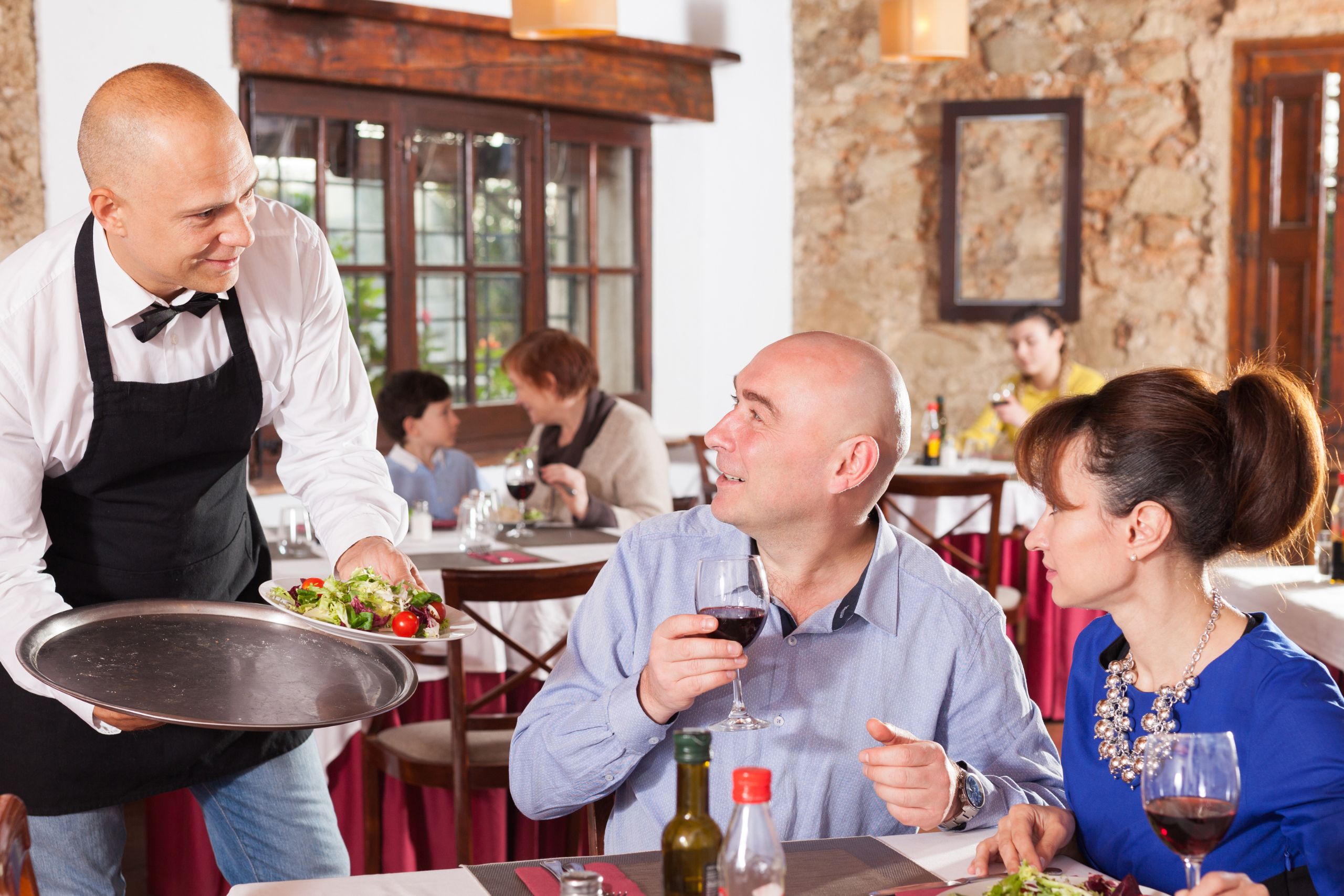
为什么服务员在2026年要发声?
局面已经改变。经过多年来将不公正待遇视为工作常态,侍者现在拒绝保持沉默。社交媒体赋予了餐厅员工公开发声的渠道。关于客户虐待的病毒式帖子现在几小时内就能传播给数百万读者。
这种可见性改变了对话。餐厅不再能够忽视这个问题。员工留任、品牌声誉和服务质量都取决于员工的待遇方式。
此外,疫情后的劳动力短缺为招待业工作者提供了更多选择。感到被不尊重的员工现在会离职。他们在其他部门寻找工作,那里尊严是标准期待。
服务员认为哪些行为不可接受?
报告的行为清单在各国和文化中一致。侍者最常提到:
- 言语侮辱和言语暴力
- 冷淡或居高临下的语气
- 超出正常服务范围的不切实际的要求
- 拒绝承认问候或基本礼貌
- 与性别、外表或背景相关的骚扰
- 不付款离开或故意低小费作为惩罚
这些并非孤立事件。一份2024行业调查发现,欧洲和北美超过60%的餐厅员工每月至少经历1次客户侵犯事件。由这种模式造成的职业倦怠是员工永久离开招待业的主要原因之一。

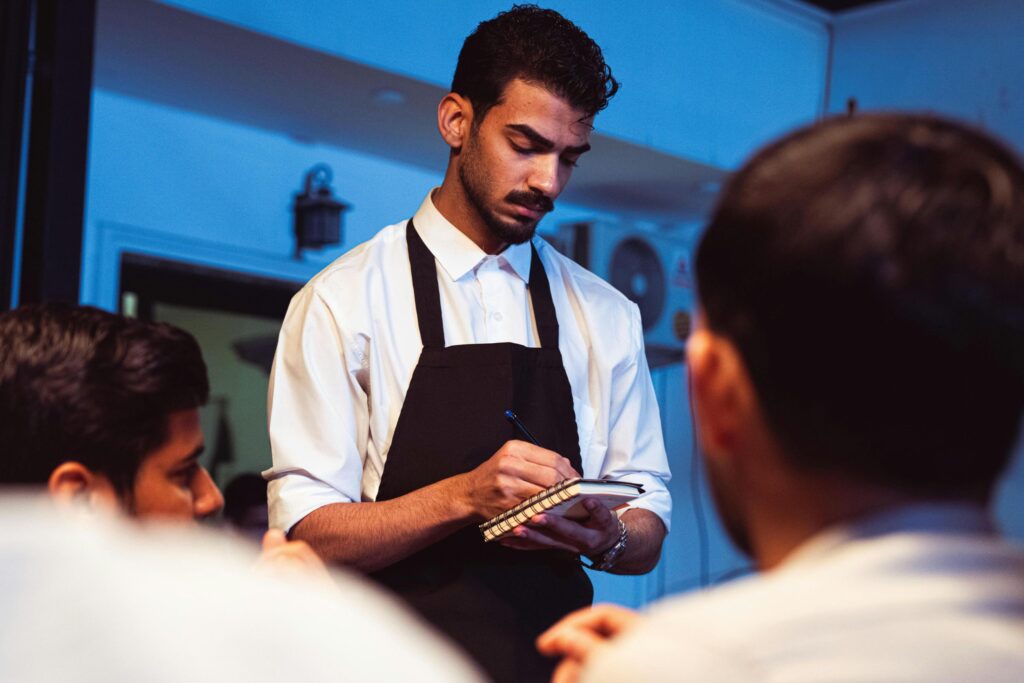
不良待遇如何影响餐厅业绩?
这种影响超越了个人福祉。侍者尊重直接影响餐厅提供的服务质量。感到不安全或被贬低的员工表现水平较低。他们出错更多。他们离职更快。
高员工流动率代价昂贵。招聘、雇用和培训1名新员工对餐厅的平均成本是该员工月薪的3到4倍。因此,未能保护其团队的餐厅需要付出巨大的财务代价。
而且,其他客户会注意到。目睹对侍者进行侵犯互动的餐桌会感到不适。这种不适会降低享受、减少消费,并降低重复光顾的可能性。





世界各地的6道焖煮菜肴
Slow braises are among the most honest expressions of culinary culture. These 6 dishes, drawn from France, Morocco, Japan, Italy,...

国庆节必备的经典菜肴
Singapore's National Day dishes are more than food. They carry 6 decades of shared history across Chinese, Malay, Indian, and...









La question du respect en salle, c’est aussi une question de management. Tant que les directions ne prendront pas position publiquement quand un client dépasse les limites, rien ne changera vraiment dans le secteur.
Honestly the part about treating servers like professionals not servants needs to be printed on every menu.
Starting a shift knowing you might face verbal abuse is a heavy burden that no paycheck can truly justify. I’ve witnessed customers being incredibly rude over a slightly cold soup, and it’s heart-wrenching to see the waiter’s smile fade. We need more managers who aren’t afraid to step in and defend their team.
Fourteen years in the industry and Marco only got protection three years ago. That’s the part that sits with me. The zero-tolerance policy shouldn’t be a reward after a decade of absorbing abuse, it should be the baseline from day one. A 22% increase in customer satisfaction scores after implementing it tells you everything you need to know about where the real problem was sitting.
The point about staff dignity needing to come before customer satisfaction is something the industry has avoided for decades. I waited tables through grad school and the number of times a manager sided with a rude table just to keep the peace was honestly demoralizing. What struck me most in your piece was the idea that respect has to be built into the structure, not left as a personal favor from whoever happens to be running the floor that night. Real cultural change starts with owners drawing actual lines.