


五种基本味觉
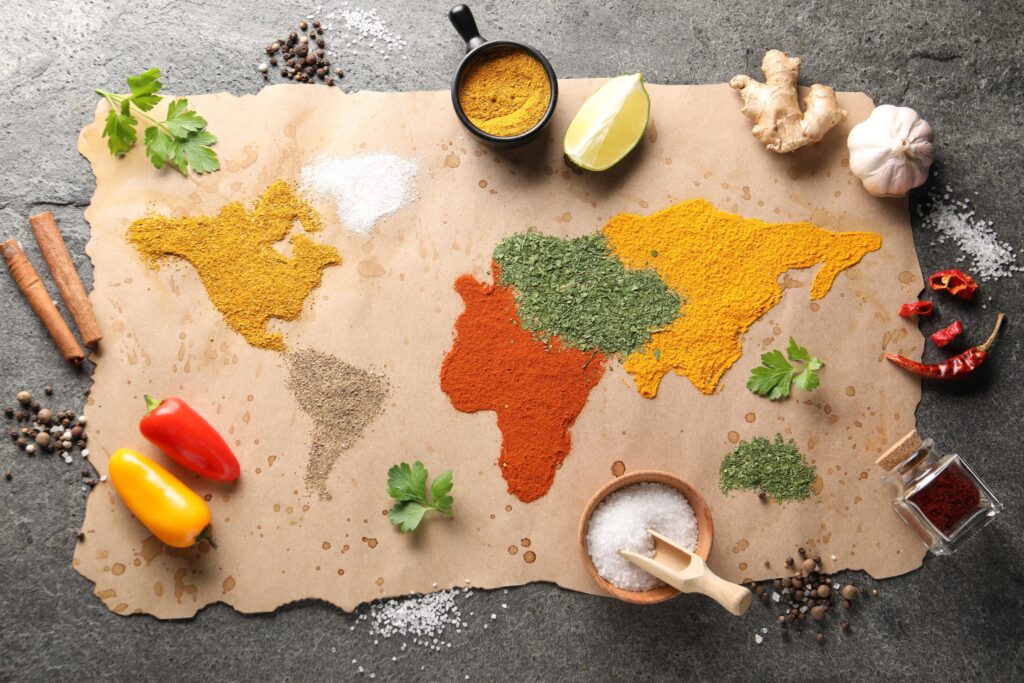
甜、酸、咸、苦和鲜构成了味觉平衡的基础。此外,每种味道在你的味蕾上都扮演着特定的角色。甜味为你的大脑提供舒适感和能量信号。
此外,酸味能提亮风味,并化解油腻感。咸味能增强其他味道,让食物更令人满足。同时,苦味则为菜肴增添复杂性和深度。

鲜味带来一种咸香、肉质的口感,令人心满意足。因此,恰当地组合这些味道,能将普通的饭菜变成非凡的体验。
理解味觉互动
在烹饪时,某些味道自然地相互补充。例如,甜味能有效降低苦味的感知。因此,在咖啡中加蜂蜜能使其不那么涩。
同样,酸味能平衡甜点和酱汁中的甜度。然而,任何一种味道过多都会让味蕾不堪重负。因此,技艺高超的厨师会在准备过程中逐渐叠加味道。

盐能提升蘑菇和陈年奶酪中的鲜味。此外,它还能抑制黑巧克力和绿叶蔬菜的苦味。
打造平衡菜肴
首先确定食谱中的主导风味。接下来,添加互补风味以增加深度和趣味。例如,泰国菜就完美地平衡了甜、酸和辣。
地中海烹饪依赖柑橘和番茄的酸味。此外,橄榄和凤尾鱼的鲜味提供了咸香。墨西哥菜则将玉米的甜味与青柠的酸味结合起来。

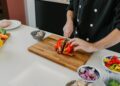




在烹饪过程中定期品尝你的食物。确实,随着食材的烹饪和浓缩,味道的平衡会发生变化。逐渐调整调味料,而不是一次性全部加入。

Japanese food labels: hidden gluten guide
Japanese food labels follow precise rules, but those rules do not protect every gluten-sensitive shopper. Wheat is mandatory, yet barley...

Monsoon dal recipes from 7 Indian states
India's monsoon season calls for warm, nourishing food, and nothing answers that call better than a bowl of dal. These...

结论:完善你的味觉平衡
味觉平衡是区分好菜和真正令人难忘的饭菜的关键。此外,这些原则适用于所有菜系和食谱。因此,在日常烹饪中多加练习调整味道。
从简单的菜肴开始,逐步提升你的技能。此外,在烹饪过程中要不断品尝和调整。当然,你的信心会随着每一餐的成功而增长。
确实,掌握味觉平衡能让你成为一名更好的厨师。此外,你的家人和朋友也会注意到其中的不同。今天就开始在你的厨房里运用这些原则吧。









Such a fascinating deep dive into the science of taste! Understanding how sweet, sour, salty, bitter, and umami interact is truly an art form. This article perfectly explains why balance is the secret ingredient behind every great dish. It’s a must-read for anyone looking to elevate their cooking from simple recipes to culinary mastery
I love how the article simplifies the complexity of flavor profiles, making it easy to understand how to fix a dish that feels ‘off.’ It’s like having a roadmap for creativity in the kitchen. Truly helpful for anyone who wants to cook by intuition rather than just following recipes
Comprendre l’interaction entre le sucré, l’acide, le salé, l’amer et l’umami est essentiel pour quiconque souhaite maîtriser l’art culinaire. Cet article explique parfaitement pourquoi l’équilibre est la clé d’un plat réussi.
The point about umami being specifically a protein signal, not just a vague synonym for savory, is a distinction I see almost nobody make. Smoked paprika gives depth but it doesn’t give umami, even though plenty of recipes confuse the two. Going to be more deliberate with kombu and parmesan rinds from now on.