


愚人节与法国鱼:一切的开端
四月鱼——法语中“四月鱼”的意思——的起源可以追溯到中世纪。一个广为流传的理论涉及一次戏剧性的日历改革。1564年,查理九世国王通过《鲁西永敕令》将新年从三月下旬改到了1月1日。
那些抵制新历法的人们继续他们的春季庆祝活动——并成为了玩笑的目标。恶作剧者送给他们假礼物。在这些恶作剧礼物中有什么?鱼。又腥又真的鱼。因此,“四月鱼”诞生了。


愚人节走向全球:各种语言中的鱼
这一天不仅在法国,还在意大利、荷兰、比利时和法语区瑞士被称为“四月鱼”。在加拿大、比利时和瑞士的法语区,它仍然被称为四月鱼。在意大利,它是四月鱼。

Meanwhile, across the world, other cultures added their own flavor. In Lebanon, the prank is revealed by saying “First of April Lie.” In Poland, pranks are so serious that a 1683 anti-Turkish alliance was backdated to avoid being signed on April 1. In Scotland, April Fools is a two-day event. Clearly, no culture takes foolishness lightly.


Japanese food labels: hidden gluten guide
Japanese food labels follow precise rules, but those rules do not protect every gluten-sensitive shopper. Wheat is mandatory, yet barley...

Monsoon dal recipes from 7 Indian states
India's monsoon season calls for warm, nourishing food, and nothing answers that call better than a bowl of dal. These...







Ramen shops NYC worth seeking out
New York City's ramen shops range from quiet artisan counters to bold fusion destinations, each bowl a small act of...

Rooftop restaurants for a July evening
July heat transforms European cities into something almost cinematic, and rooftop restaurants offer the most elegant escape. From Paris to...











Une immersion passionnante dans l’archéologie des traditions populaires qui souligne la force du “marketing saisonnier” fondé sur l’humour et le partage. Ce dossier sur le Poisson d’Avril démontre brillamment comment une transition historique — le passage au calendrier grégorien — a engendré un écosystème créatif qui perdure en 2026.
Il est remarquable d’observer comment la gastronomie s’approprie ces codes ludiques pour générer un engagement émotionnel fort. Pour nous, entrepreneurs et experts du digital, ce type de phénomène illustre parfaitement le concept de “Viralité Culturelle”. Transformer une tradition séculaire en une expérience de consommation (à travers les chocolats ou les pâtisseries thématiques) est une leçon magistrale de storytelling appliqué. En 2026, la capacité d’une marque à humaniser sa relation client par l’humour et la créativité culinaire est un levier de différenciation majeur.
Merci pour ce rappel rafraîchissant que derrière chaque fête se cache une opportunité d’innovation et de connexion humaine. Une lecture essentielle pour comprendre l’impact des rituels sociaux sur nos habitudes de consommation modernes !
This article provides a fascinating deep dive into the historical intersection of folklore and modern consumer behavior. The ‘Poisson d’Avril’ tradition is a prime example of how a centuries-old cultural shift can be successfully reimagined as a powerful seasonal marketing engine.
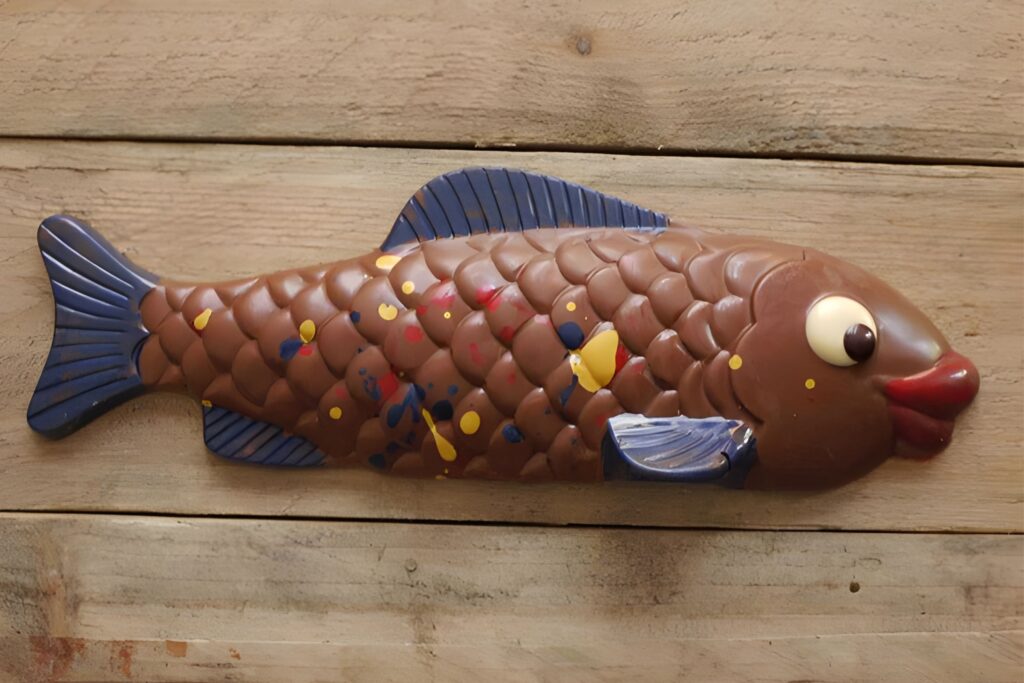
In 2026, the brands that truly resonate are those that move beyond simple ‘pranks’ to embrace authentic cultural storytelling. By leveraging the culinary heritage associated with this day—from artisanal fish-shaped chocolates to immersive gourmet experiences—businesses are effectively humanizing their digital presence and creating high-value emotional touchpoints with their audience.
The transition from a calendar reform to a global ‘viral’ event is a masterclass in how heritage-driven innovation can drive retail surges and community engagement. Thank you for this insightful synthesis of history and gastronomy; it’s a vital reminder that the most successful marketing strategies are often those rooted in our shared human traditions and a sense of playfulness.
This article provides a fascinating deep dive into the historical intersection of folklore and modern consumer behavior. The ‘Poisson d’Avril’ tradition is a prime example of how a centuries-old cultural shift can be successfully reimagined as a powerful seasonal marketing engine in 2026.
In an era of high digital saturation, the brands that truly resonate are those that move beyond simple ‘pranks’ to embrace authentic cultural storytelling. By leveraging the culinary heritage associated with this day—from artisanal fish-shaped chocolates to immersive gourmet experiences—businesses are effectively humanizing their digital presence and creating high-value emotional touchpoints with their audience.
The transition from a 16th-century calendar reform to a global ‘viral’ event is a masterclass in how heritage-driven innovation can drive retail surges and community engagement. Thank you for this insightful synthesis of history and gastronomy; it’s a vital reminder that the most successful marketing strategies are often those rooted in our shared human traditions and a sense of playfulness. An essential read for any modern brand strategist!