


1 april en de Franse Vis: Waar het Allemaal Begon
De oorsprong van 1 aprilgrap – Frans voor "Aprilvis" – dateert uit de middeleeuwen. Een veel gedeelde theorie betreft een dramatische kalenderwijziging. In 1564 verplaatste koning Karel IX Nieuwjaarsdag van eind maart naar 1 januari via het Edict van Roussillon.
Mensen die zich verzetten tegen de nieuwe kalender, hielden vast aan hun lentefeesten – en werden het doelwit van grappen. Grappenmakers gaven hen nepcadeaus. Onder die grappige cadeaus? Vis. Stinkende, zeer echte vis. Zo werd de "aprilvis" geboren.


1 april Gaat Wereldwijd: Vis in Elke Taal
De dag werd bekend als "Aprilvis", niet alleen in Frankrijk, maar ook in Italië, Nederland, België en Franstalig Zwitserland. In Franstalige regio's van Canada, België en Zwitserland wordt het nog steeds suikertaart genoemd. In Italië is het frituur.

Meanwhile, across the world, other cultures added their own flavor. In Lebanon, the prank is revealed by saying “First of April Lie.” In Poland, pranks are so serious that a 1683 anti-Turkish alliance was backdated to avoid being signed on April 1. In Scotland, April Fools is a two-day event. Clearly, no culture takes foolishness lightly.


Herfstequinox en hoe koks hitte opnieuw uitvinden
The autumn equinox is not simply a date on a calendar. It is the moment when serious cooks across the...

Broodtradities en wat ze onthullen
Bread traditions are among the oldest and most honest records of human civilization. From the grain a community grows to...







Glutenvrije bakkerijen NYC: eet smakelijk
Gluten-free bakeries in New York City are no longer a compromise. From dedicated allergen-free kitchens in the West Village to...

Autumn menus: 8 ways restaurants adapt
When the first cool evenings arrive, restaurants do not simply swap a few dishes. They rethink flavour, space, light, and...
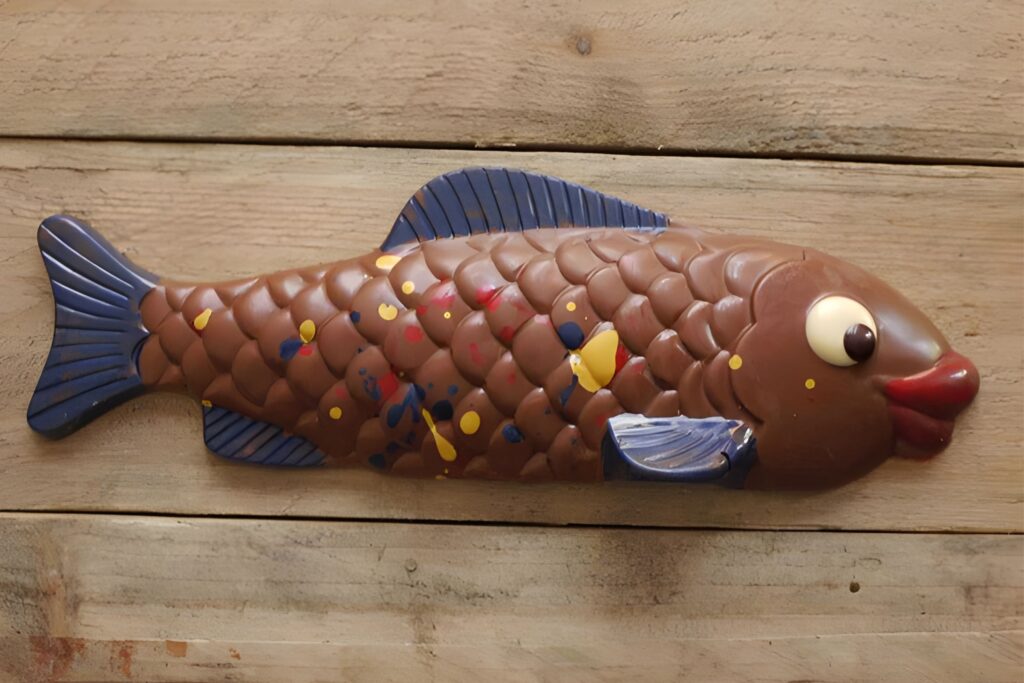












Une immersion passionnante dans l’archéologie des traditions populaires qui souligne la force du “marketing saisonnier” fondé sur l’humour et le partage. Ce dossier sur le Poisson d’Avril démontre brillamment comment une transition historique — le passage au calendrier grégorien — a engendré un écosystème créatif qui perdure en 2026.
Il est remarquable d’observer comment la gastronomie s’approprie ces codes ludiques pour générer un engagement émotionnel fort. Pour nous, entrepreneurs et experts du digital, ce type de phénomène illustre parfaitement le concept de “Viralité Culturelle”. Transformer une tradition séculaire en une expérience de consommation (à travers les chocolats ou les pâtisseries thématiques) est une leçon magistrale de storytelling appliqué. En 2026, la capacité d’une marque à humaniser sa relation client par l’humour et la créativité culinaire est un levier de différenciation majeur.
Merci pour ce rappel rafraîchissant que derrière chaque fête se cache une opportunité d’innovation et de connexion humaine. Une lecture essentielle pour comprendre l’impact des rituels sociaux sur nos habitudes de consommation modernes !
This article provides a fascinating deep dive into the historical intersection of folklore and modern consumer behavior. The ‘Poisson d’Avril’ tradition is a prime example of how a centuries-old cultural shift can be successfully reimagined as a powerful seasonal marketing engine.
In 2026, the brands that truly resonate are those that move beyond simple ‘pranks’ to embrace authentic cultural storytelling. By leveraging the culinary heritage associated with this day—from artisanal fish-shaped chocolates to immersive gourmet experiences—businesses are effectively humanizing their digital presence and creating high-value emotional touchpoints with their audience.
The transition from a calendar reform to a global ‘viral’ event is a masterclass in how heritage-driven innovation can drive retail surges and community engagement. Thank you for this insightful synthesis of history and gastronomy; it’s a vital reminder that the most successful marketing strategies are often those rooted in our shared human traditions and a sense of playfulness.
This article provides a fascinating deep dive into the historical intersection of folklore and modern consumer behavior. The ‘Poisson d’Avril’ tradition is a prime example of how a centuries-old cultural shift can be successfully reimagined as a powerful seasonal marketing engine in 2026.
In an era of high digital saturation, the brands that truly resonate are those that move beyond simple ‘pranks’ to embrace authentic cultural storytelling. By leveraging the culinary heritage associated with this day—from artisanal fish-shaped chocolates to immersive gourmet experiences—businesses are effectively humanizing their digital presence and creating high-value emotional touchpoints with their audience.
The transition from a 16th-century calendar reform to a global ‘viral’ event is a masterclass in how heritage-driven innovation can drive retail surges and community engagement. Thank you for this insightful synthesis of history and gastronomy; it’s a vital reminder that the most successful marketing strategies are often those rooted in our shared human traditions and a sense of playfulness. An essential read for any modern brand strategist!