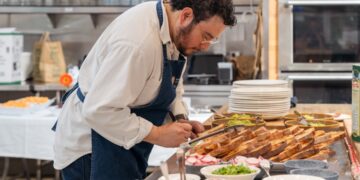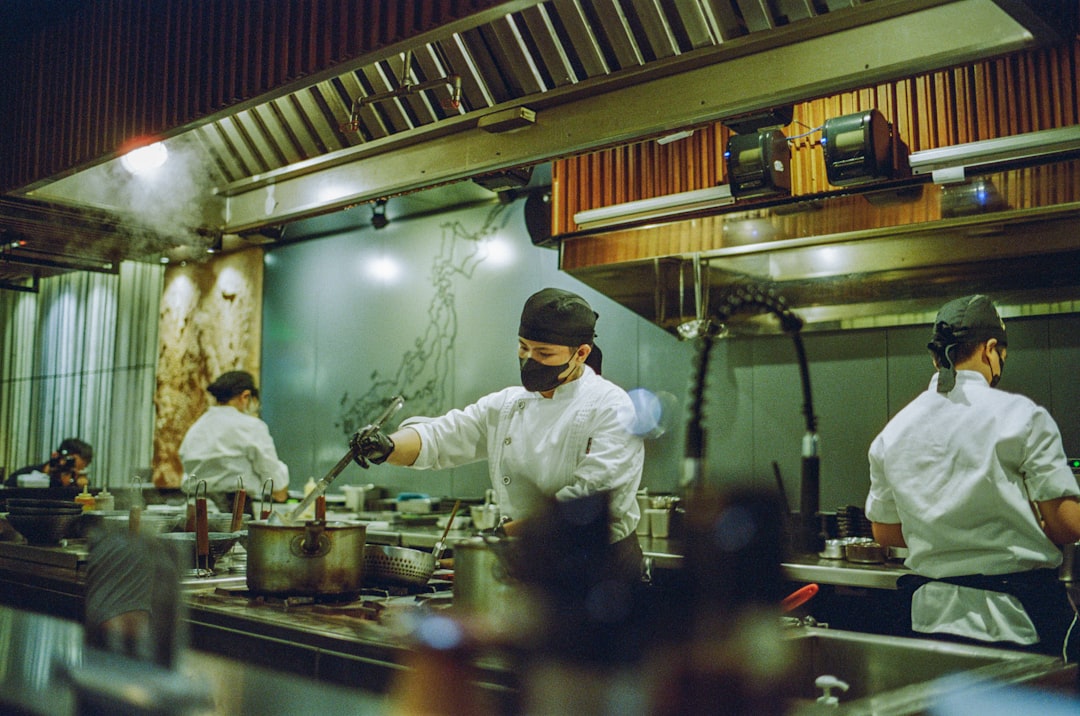
Seasonal shift arrives quietly in the last week of August, when the dining room empties a little sooner each evening and the kitchen finally has room to breathe, think, and prepare for what comes next.
How reduced tourism changes the dining room
The change is not sudden. It builds across days. Tables fill more slowly at lunch. The dinner rush peaks earlier and ends before the kitchen is truly tired. Reduced tourism affects more than the number of guests who walk through the door. It influences nearly every operational decision a restaurant makes, from labor scheduling to supplier relationships.
For fine dining operations, the exposure is significant. The reliance on tourism is highest in the fine dining segment, with an average of 41% of sales coming from travelers and visitors. For some fine dining restaurants, the proportion is even larger: 1 in 4 fine dining operators say visitors account for at least 60% of their annual sales.

Teams that understand this number plan for it. They read the data from previous years, note the exact week the drop begins, and prepare accordingly. Successful restaurants track and analyze a range of factors, including weather conditions, holidays, events, and tourism trends. Comparing daily and year-over-year sales data against these variables helps restaurateurs anticipate demand shifts and make informed staffing, inventory, marketing, menu, and cash flow decisions.
Pacing the floor with fewer covers
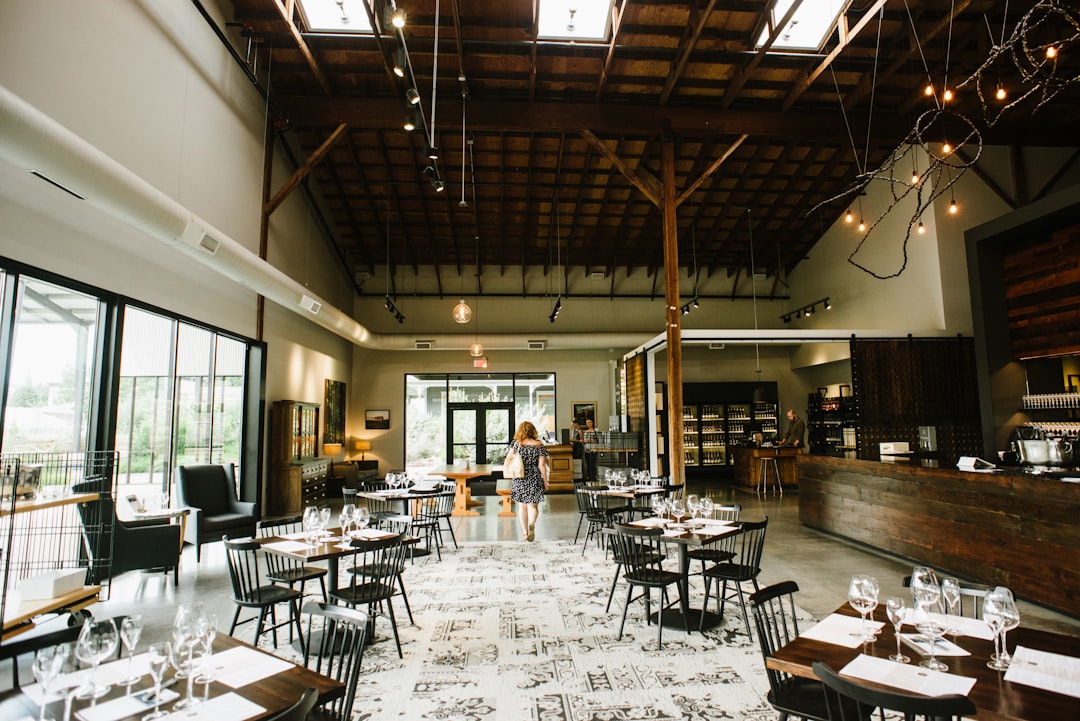
Late August pacing is a different discipline from peak-season pacing. In July, speed and volume define the shift. In late August, the goal is precision. Fewer covers mean each table carries more weight, and every interaction becomes more visible.
A summer slowdown affects many operations from late July through early September. Locals leave for vacation, back-to-school timing shifts family routines, and weather patterns reduce evening dining. Operations that do not plan for this lose meaningful margin trying to operate at normal labor cost with reduced revenue.

Smart floor managers respond by restructuring sections. They consolidate server stations, assign their most experienced staff to the floor, and slow the turn time deliberately. A guest who arrives in a quieter room expects a different experience: more attention, more conversation, more care. The team that delivers this converts a lower-volume period into a loyalty-building moment.
Staffing decisions that protect the core team
Staffing is where the seasonal shift becomes a financial test. Fluctuating demand complicates staffing strategies. Overstaffing during slow periods increases labor costs, while understaffing risks service quality when local demand spikes unexpectedly.
The most effective approach separates core staff from seasonal staff before the drop arrives. Planning the staffing approach 60 or more days in advance is important, because reactive staffing reductions during slow season often produce service issues from rushed transitions. Teams that plan early avoid the friction of last-minute schedule cuts, which damage morale and destabilize service.
Some operations maintain core staff at reduced hours while reducing peripheral staff. Some run cross-training programs during slow periods so staff stay engaged and develop skills. Some offer staff vacation alignment with slow periods. Each of these approaches keeps the team intact and ready for the autumn surge.




Expert perspective on the seasonal window
The weeks between summer and autumn are not a gap in the calendar. They are the most useful weeks a hospitality team has all year. Tourist-driven service runs at a pace that leaves little room for reflection or refinement. When that pace slows, the team can finally ask the questions that matter: which dishes are working, which are not, which service habits have become automatic, and which need correction. Operators who use late August to run internal training, review menu performance with the full kitchen team, and rebuild supplier relationships are the ones who open autumn with genuine confidence. The seasonal shift is a reset, and the teams that treat it as one consistently outperform those who simply wait for volume to return.
Industry perspective, seasonal operations and hospitality management professionals
How menus move toward autumn
The menu is the most visible signal of a seasonal shift. Seasonal transition periods are typically the strongest window for menu updates. This is when ingredients, weather, and guest expectations align, making changes feel natural rather than disruptive.
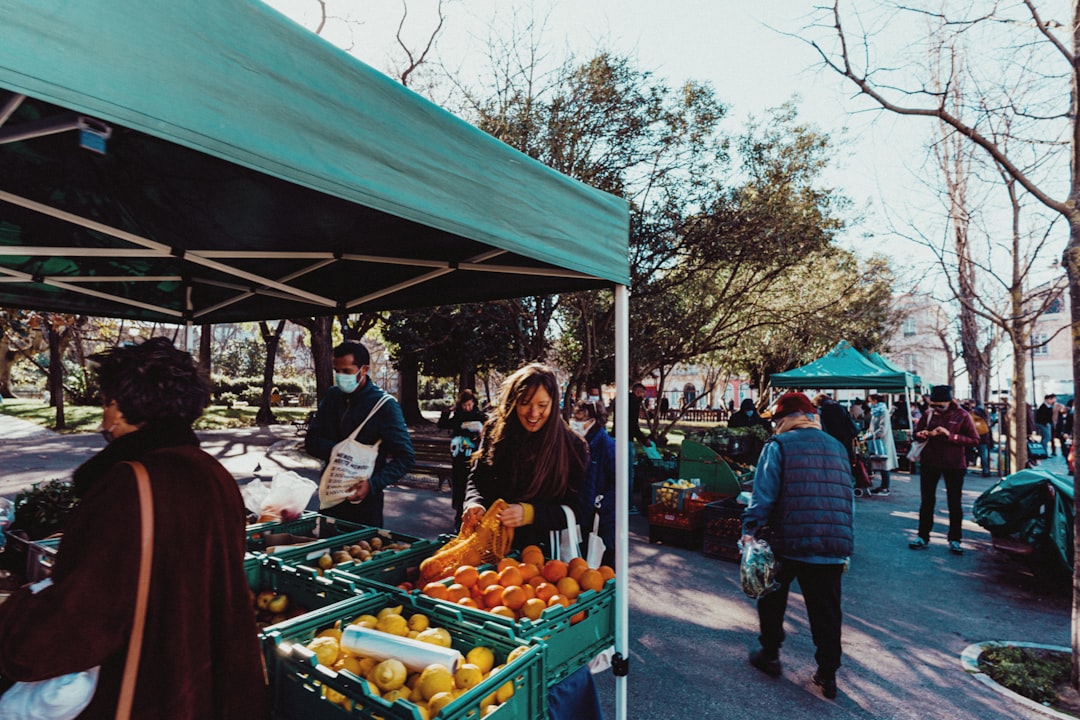
Late summer to early autumn calls for comfort-oriented dishes, warmer beverages, and richer flavors. For teams working with local producers, this is not a philosophical choice. It is simply a reflection of what the land and sea offer at this exact moment. The tomatoes are at their final peak. Root vegetables are arriving early. The light on the water is different, and the kitchen should respond to that.
Streamlined menus reduce kitchen complexity and labor cost during periods when full-menu execution is not economical. Many operations run simplified seasonal menus that match operational reality. The key is framing: communicate menu changes clearly, and frame them as seasonal focus, not as service reduction.
Seasonal shift as a professional reset
The seasonal shift in late August is not a problem to solve. It is a rhythm to understand. Restaurants that read this moment clearly use it to strengthen every part of their operation: the floor, the kitchen, the team, and the menu. Seasonal shift teaches discipline that peak volume never can.
The teams who return to full capacity in September do so with cleaner systems, better-trained staff, and menus that reflect exactly where the season stands. They carry the quiet authority of people who did not wait for things to improve. They used the seasonal shift to make things better, on their own terms, before the next wave arrives.
If you work in a restaurant kitchen or on a dining room floor, pay attention to this window. It rewards the teams who take it seriously.
Discover more about seasonal shift
- UN Tourism Seasonality Dashboard
- National Restaurant Association: Softer tourism spending and restaurant business conditions
- Mallorca bars and restaurants report turnover drop in August 2026