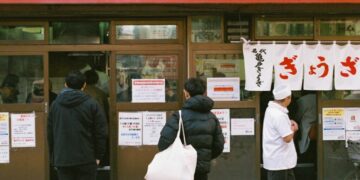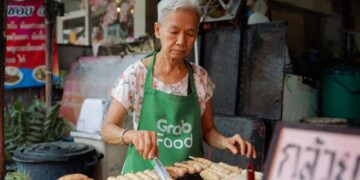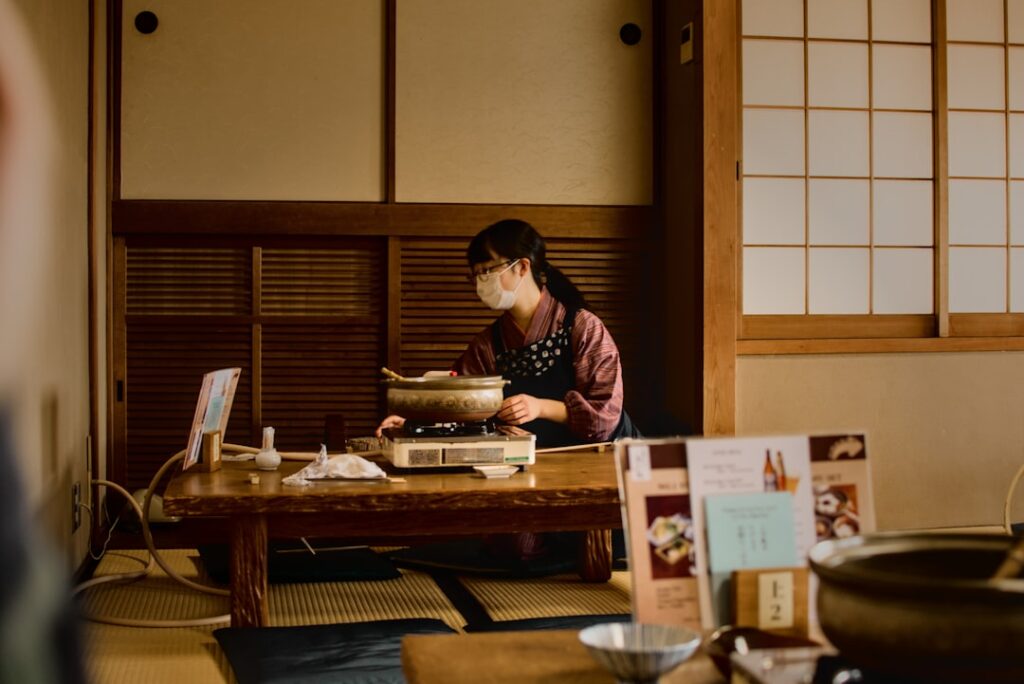
Gluten-free izakaya culture in Tokyo holds the same beauty as a carefully arranged bento: every element has its place, and the ritual of choosing well is itself a pleasure.
Understanding the izakaya kitchen
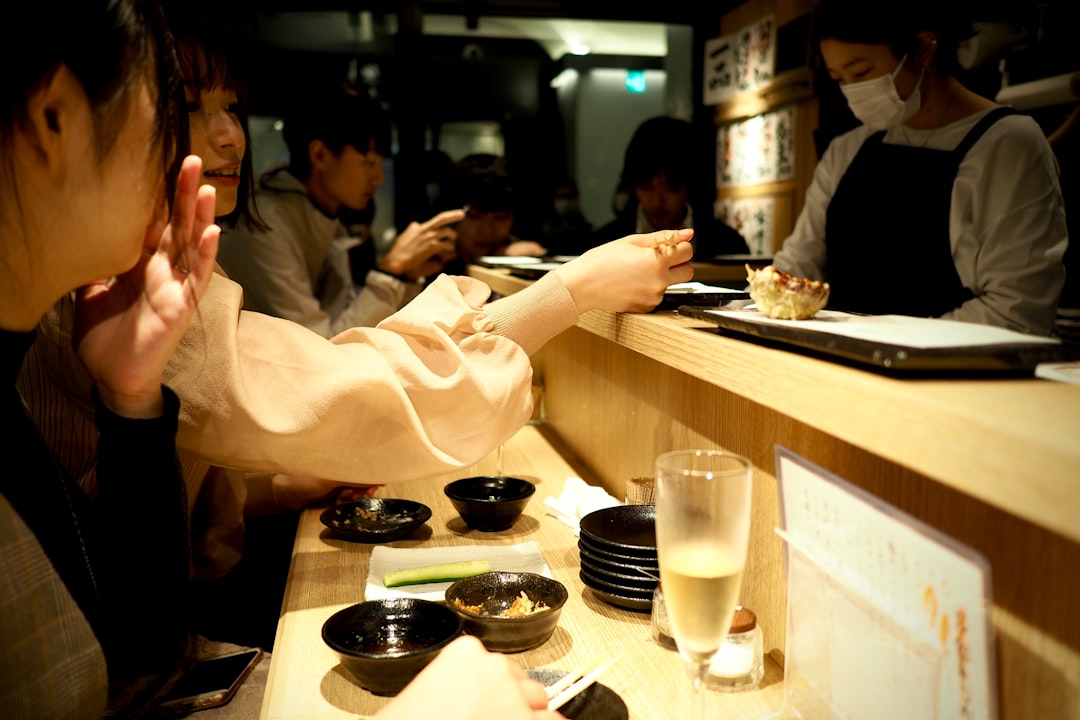
The izakaya is Japan’s version of the French brasserie: a warm, informal space built around shared plates, good drinks, and slow conversation. Izakayas are known for their relaxed ambiance and a wide range of small shared plates. For gluten-free diners, however, the kitchen holds some surprises. The Japan Celiac Association is a non-profit raising celiac awareness in Japan, because traditional ingredients like soy sauce, miso, and dashi frequently contain hidden wheat.
Standard soy sauce contains wheat. Most tare glazes and many dipping sauces contain wheat. While wheat is listed on Japan’s mandatory food label allergens list, rye, barley, and oats are not. Gluten-free menus are not common in Japan, so it is best to ask the servers. Knowledge is your first and most important tool before you sit down.
Wheat is now the 3rd most common allergy in Japan. As a result, awareness of celiac disease and the gluten-free diet is on the rise, and this has led to an increase in gluten-free restaurant openings across Japan. This shift is gradual, but it is real, and Tokyo leads the way.
What to order at a gluten-free izakaya
Several classic izakaya dishes are naturally safe or easy to modify. Edamame, steamed soybeans with salt, are naturally gluten-free and available at virtually every izakaya. Start there. Then look to the grill section of the menu.

Chicken skewers, yakitori, can be made with a salt cooking technique called shio, which means no sauce is added. Ask for yours to be seasoned with salt, shio, rather than the sweet soy sauce glaze, tare. This 1 simple word, shio, opens a significant part of the menu. Grilled fish, yakizakana, is also a staple of Japanese meals and is safe as long as no soy-sauce glaze is used.
For raw options, sashimi is a reliable choice. Many traditional Japanese foods are naturally free of gluten. Plain sashimi, raw fish slices served without rice, is one of the safest options. Most soy sauce in Japan contains wheat, so bring your own bottle of gluten-free tamari, or small disposable tamari packets. This small act of preparation transforms any sashimi plate into a complete and joyful experience.
What to avoid and where gluten hides
Even foods commonly thought to be gluten-free may contain sauces, syrups, and other ingredients that contain gluten. This is the essential truth of izakaya dining with an allergy. Miso soup, for example, often contains wheat-based dashi stock. Many fried dishes use wheat flour in the batter. Gyoza wrappers contain wheat.



Buckwheat soba noodles are traditionally gluten-free, but they are often now made with wheat flour mixed in. Check with the restaurant beforehand. The dipping sauce that ordinarily comes with soba is not gluten-free. Even a dish that sounds safe can carry hidden wheat. Sometimes edamame is prepared using udon water and can carry a risk of cross-contamination, which can be confirmed with the restaurant.
Unless a restaurant specifically specializes in allergy-aware or gluten-free menus, there will always be a chance that cross-contamination can occur. Approach each visit with calm attention, not anxiety. The same mindful presence that makes French cuisine beautiful also makes gluten-free izakaya dining possible.
東京でのグルテンフリー食事に関する専門家の視点
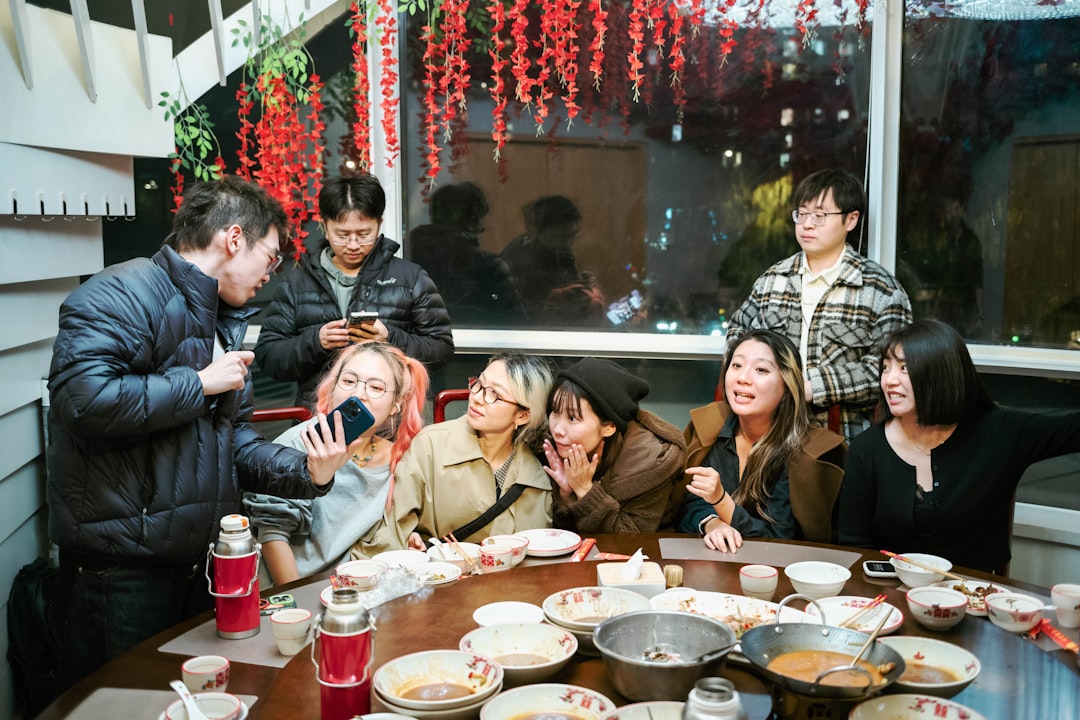
The challenge of gluten-free dining in Japan is not a lack of goodwill from restaurant staff. It is a gap in shared vocabulary. Most izakaya chefs genuinely want to accommodate guests, but the concept of celiac disease as a medical condition remains unfamiliar in many kitchens. The words “gluten-free” often translate, in practice, to “no soy sauce,” which is only part of the solution. Diners who carry a printed allergy card in Japanese and who ask calm, specific questions receive far better results than those who rely on general requests. The izakaya format, built on small plates and open kitchens, is actually well suited to accommodation when the communication is precise. Each dish is prepared individually, which gives the kitchen real flexibility.
Industry perspective, food allergy awareness and restaurant professionals in Tokyo
How to ask safely: communication tools
Preparation before you arrive matters more than anything you do at the table. A gluten-free Japanese translation card is essential. Learn key phrases such as “komugi arerugī desu,” which means “I have a wheat allergy.” Write this phrase clearly, and keep it with you at all times.
If you are unsure, use your allergy vocabulary card or open a translation app, and speak to someone in the restaurant. Japanese people are usually very willing to help where they can, so do not hesitate to ask. Staff may not know the English word “gluten,” but they understand wheat allergy, “komugi arerugī,” as a serious concern.
The app “Find Me Gluten Free” is popular within the global celiac and gluten-free community. Users can search for nearby restaurants, read recent reviews, and see safety ratings based on other diners’ experiences. Use this tool before you choose your izakaya for the evening. One example of a dedicated option in Tokyo is Gluten-free Izakaya SHION, a 100% gluten-free restaurant where the owner prepares a set menu of traditional Japanese fare.
結論
Gluten-free izakaya dining in Tokyo rewards the diner who prepares well and observes closely. The same craft that shapes a French artisan’s work also shapes an izakaya menu: every ingredient has a reason, and every question you ask brings you closer to a meal made with care. Bring your tamari, carry your allergy card, and order shio yakitori with confidence. Tokyo has the best gluten-free options among Japanese cities, and the gluten-free izakaya scene here continues to grow. Choose your table, choose your dishes, and let each small plate become its own small ceremony.
Discover more about gluten-free izakaya
- Celiac Disease Foundation: About Us
- IMARC Group: Japan Gluten-Free Food Market Size and Growth Report
- Endless Distances: Gluten-Free Tokyo, The Complete Guide for Celiacs
元々TOKYOwebzineに掲載されました。