
CONTATTI
  • Accedi
Aggiorna
GUSTOwebzine
Advertisement
  • Inizio
    • I nostri autori
    • Iscriviti gratuitamente
    • Kit Media
    • Contatto
    • Termini e Condizioni
    • Politica sui Cookie
  • Scoperte
    • Chef
  • Cultura Culinaria
  • Cibo e Bevande
  • Consigli di Cucina
    • Ricette
  • GUSTO Globale
  • Approfondimenti
  • Guida GUSTO
    • Hotel in tutto il mondo
    • Vita notturna in tutto il mondo
    • Ristoranti in tutto il mondo
    • Servizi in tutto il mondo
  • Inizio
    • I nostri autori
    • Iscriviti gratuitamente
    • Kit Media
    • Contatto
    • Termini e Condizioni
    • Politica sui Cookie
  • Scoperte
    • Chef
  • Cultura Culinaria
  • Cibo e Bevande
  • Consigli di Cucina
    • Ricette
  • GUSTO Globale
  • Approfondimenti
  • Guida GUSTO
    • Hotel in tutto il mondo
    • Vita notturna in tutto il mondo
    • Ristoranti in tutto il mondo
    • Servizi in tutto il mondo
Nessun risultato
Visualizza tutti i risultati
GUSTOwebzine
Nessun risultato
Visualizza tutti i risultati
Inizio GUSTO Globale

Japanese food labels: hidden gluten guide

Woman shopping in a supermarket aisle, reaching to grab an item from the shelf.

#titolo_immagine

Japanese food labels carry a quiet beauty: columns of precise characters, each ingredient named with care, yet for anyone avoiding gluten, that elegance can conceal real risk.

Why Japanese food labels work differently for gluten

Japan’s allergen system is centered on allergens such as wheat, not on a legal definition of “gluten-free.” The phrase “gluten-free” is not regulated by a national threshold the way it is in countries like the United States and Canada. This difference matters greatly for people with celiac disease or serious gluten sensitivity.

GUSTO guide worldwide restaurants, hotels, nightlife, professional services GUSTO guide worldwide restaurants, hotels, nightlife, professional services GUSTO guide worldwide restaurants, hotels, nightlife, professional services

A food labeling system for allergenic ingredients was mandated under the Food Sanitation Act in Japan on April 1, 2002. In 2010, management of food labeling policy moved to the Japanese Consumer Affairs Agency (CAA). The CAA then established the Food Labeling Act, which came into effect in 2015.

Under current rules, 8 allergens require mandatory labeling: shrimp, crab, walnuts, wheat, buckwheat, egg, milk, and peanuts. Gluten as a category does not appear on this list. Gluten is not a category in Japanese law. Only wheat must be labeled. This means barley, rye, oats, and malt are not labeled, so anything with soy sauce, miso, or seasoning blends needs a closer look.

The core kanji for Japanese food labels

The single most important character to learn is 麦 (mugi). The kanji character 麦 (mugi) appears as part of many grain names: 小麦 means wheat, 麦 or 大麦 means barley, ライ麦 means rye, and 燕麦 means oats. Once you recognize 麦, you can identify all 4 grain types.

2 other critical characters are 麩 (fu) and セイタン (seitan). Seitan is used as a meat substitute in some vegetarian Buddhist cooking and in certain tea ceremony foods. Fu and seitan are made from concentrated gluten and must be avoided. Fu (麩) and seitan (セイタン) are the key kanji to know.

Additionally, 醤油 (shoyu, soy sauce) almost always contains wheat. Soy sauce almost always contains wheat, even when the dish it appears in looks naturally safe. Save these characters on your phone before your next supermarket visit.

How Japanese food labels display allergen information

Some companies list allergens after each individual ingredient. For example, a package of chicken stock may list “(soy, pork, dairy, and wheat)” directly after the ingredient “chicken extract.”

Many packages list all allergens together at the end of the ingredient list, similar to the US format that says “contains soy, wheat” at the bottom. Labeling in convenience stores (konbini) is consistent and detailed, which makes it easier to check ingredients than in many Western supermarkets. Mandatory and recommended allergen lists are printed on packaging, and you can look for the allergen summary section, usually in a bordered box near the ingredients.

However, this helpful box is not a legal requirement on every product. If you avoid gluten for medical reasons such as celiac disease, note that barley or rye may not be captured by the wheat allergen line, so you still need to read the full ingredient list. Always check both the summary box and the full ingredient text.
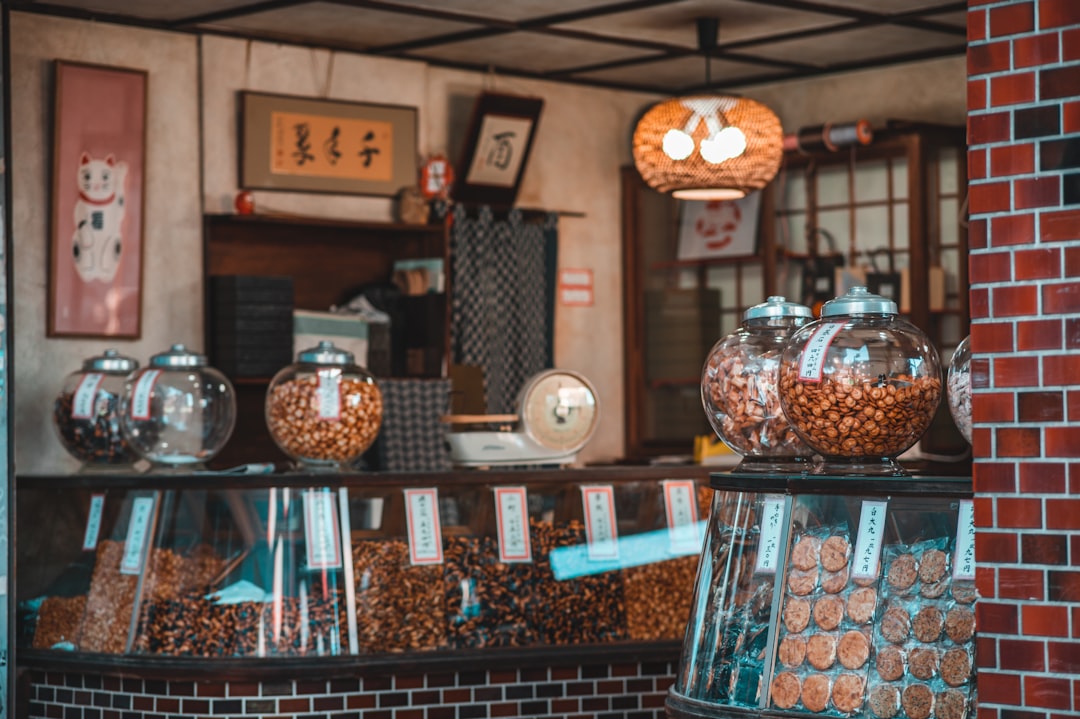
A person scanning Japanese food labels at a Tokyo convenience store counter, checking kanji for gluten

Expert perspective on gluten and Japanese food labels

Reading Japanese food labels for gluten requires a different mental model than shoppers from Europe or North America typically use. The system here is built around specific allergen proteins, not around the broader concept of “gluten” as a category. Wheat is declared clearly and consistently, and that is genuinely helpful. The gap appears with barley, rye, and fermented ingredients like certain misos and vinegars. A shopper who trusts only the allergen summary box may miss these entirely. The most effective approach is to treat every product as two separate checks: first, confirm no wheat in the allergen declaration, then scan the full ingredient list for 麦, 麸, 醤油, and any seasoning blend where the grain source is unlisted. This two-step method is slower, but it builds real confidence over time and reduces the risk of a reaction from an ingredient that the law does not currently require to be highlighted.

Industry perspective, food allergy and dietary labeling professionals in Tokyo

Hidden sources of gluten in Tokyo shopping

Among Japanese foods, most noodle types contain gluten, including ramen and udon. Soba is a buckwheat noodle and traditionally is gluten-free, but soba noodles are now often made using a combination of buckwheat and wheat flour. Always check the ratio on the packet.

While tea may seem to be a gluten-free choice, this is often not the case. Barley tea, called mugicha in Japanese, is a popular drink in Japan and contains gluten. Some products are labeled “gluten free” in the sense of “wheat free” only. One Japanese confectionery company confirmed they use “gluten free” labeling under Japanese food requirements, not necessarily the world standard.

You should read every ingredient list and look for recognized third-party gluten-free certifications when possible. A product with a “gluten free” claim in English still requires full kanji verification in Japan.

Reading Japanese food labels with confidence

Japanese food labels reward the reader who is patient and prepared. If you can name the specific ingredients you need to avoid, clearly and in writing, Japan’s food culture is remarkably good at working with that. Print or save your personal kanji reference list on your phone before every shopping trip.

Start with 3 characters: 小麦 (wheat), 大麦 (barley), and ライ麦 (rye). Add 麸 (fu, wheat gluten) and 醤油 (soy sauce) to your list. These 5 items cover the majority of hidden gluten sources on Japanese food labels across Tokyo’s supermarkets and konbini aisles. When the ingredient list uses a general term like “seasoning” (調味料), treat it with caution and contact the manufacturer if needed.


-

Woman with short hair in a white blouse sits at a wooden table by a window, holding a drink, overlooking a city skyline at night with lit buildings and candles on the table.

Rooftop dining in NYC worth booking now

25/07/2026
Smiling woman stirs an orange pot on a gas stove in a bright, modern kitchen with lemons on the counter in front of her

Monsoon dal recipes from 7 Indian states

24/07/2026
Chef in orange uniform tossing dough in a busy kitchen with steam and bowls on the counter behind him

Ramen shops NYC worth seeking out

23/07/2026
People on a rooftop terrace at sunset, overlooking a dense city skyline with a pink-orange sky.

Rooftop restaurants for a July evening

22/07/2026
Chef in divisa bianca e guanti macina pepe su carne a una stazione di preparazione affollata in cucina, con verdure e utensili intorno.

Restaurant week a NYC: i migliori tavoli da prenotare

21/07/2026
Donna che tiene una bottiglia di vino e un bicchiere, sorridente, con fiori rosa in un vaso nelle vicinanze mentre versa il vino.

Cantine private per vino a Singapore: 6 posti migliori

18/07/2026

Reading Japanese food labels is not a single act of translation. It is a daily ritual, like checking the quality of a fabric before you buy it or tasting a broth before it reaches the table. With the right kanji in your hand, every Tokyo supermarket visit becomes a practice of care and clarity.

Discover more about Japanese food labels

  • Japan Consumer Affairs Agency: Food Labelling
  • Japanese Food Allergy-Labeling System: Detection and Thresholds (PMC peer-reviewed research)
  • Why Japan Handles Food Allergies Differently: A Traveller’s Guide

Originariamente pubblicato su TOKYOwebzine.

avatar dell'autore
GUSTOwebzine
GUSTOwebzine è la tua finestra internazionale sulla cultura del cibo: lifestyle culinario, trend, ricette e storie gastronomiche per un pubblico globale appassionato di gusti eccezionali.
Vedi Biografia Completa
Articolo Precedente

Monsoon dal recipes from 7 Indian states

Prossimo Post

Rooftop dining in NYC worth booking now

Articoli Correlati

Woman with short hair in a white blouse sits at a wooden table by a window, holding a drink, overlooking a city skyline at night with lit buildings and candles on the table.
GUSTO Globale

Rooftop dining in NYC worth booking now

25/07/2026
Smiling woman stirs an orange pot on a gas stove in a bright, modern kitchen with lemons on the counter in front of her
GUSTO Globale

Monsoon dal recipes from 7 Indian states

24/07/2026
Chef in orange uniform tossing dough in a busy kitchen with steam and bowls on the counter behind him
GUSTO Globale

Ramen shops NYC worth seeking out

23/07/2026
People on a rooftop terrace at sunset, overlooking a dense city skyline with a pink-orange sky.
GUSTO Globale

Rooftop restaurants for a July evening

22/07/2026
Chef in divisa bianca e guanti macina pepe su carne a una stazione di preparazione affollata in cucina, con verdure e utensili intorno.
GUSTO Globale

Restaurant week a NYC: i migliori tavoli da prenotare

21/07/2026
Prossimo Post
Woman with short hair in a white blouse sits at a wooden table by a window, holding a drink, overlooking a city skyline at night with lit buildings and candles on the table.

Rooftop dining in NYC worth booking now

Lascia un commento Annulla risposta

Il tuo indirizzo email non sarà pubblicato. I campi obbligatori sono contrassegnati *

Truelang AI Translations Truelang AI Translations Truelang AI Translations
Nessun risultato
Visualizza tutti i risultati

Il Nostro Focus

GUSTOwebzine è la tua finestra internazionale sulla cultura del cibo: lifestyle culinario, trend, ricette e storie gastronomiche per un pubblico globale appassionato di gusti eccezionali.

I Nostri Lettori

GUSTOwebzine si rivolge a lettori che si confrontano con la cultura del cibo a un livello elevato: come professionisti culinari, appassionati cuochi casalinghi, imprenditori del settore alimentare e opinion leader nelle loro comunità.

Il Nostro Approccio

Ricette, trend e cultura culinaria sono integrati come contesto e indicatori di creatività, identità e delle forze sociali che plasmano il modo in cui il mondo mangia, non come contenuti isolati.

Articoli recenti

  • Rooftop dining in NYC worth booking now
  • Japanese food labels: hidden gluten guide

© 2026 GUSTOwebzine di NOOR & NOOR — parte di WEBZINE.world.

Bentornato!

Accedi al tuo account qui sotto

Password dimenticata?

Recupera la tua password

Inserisci il tuo nome utente o indirizzo email per reimpostare la tua password.

Accedi
Manage Consent
To provide the best experiences, we use technologies like cookies to store and/or access device information. Consenting to these technologies will allow us to process data such as browsing behavior or unique IDs on this site. Not consenting or withdrawing consent, may adversely affect certain features and functions.
Functional Always active
The technical storage or access is strictly necessary for the legitimate purpose of enabling the use of a specific service explicitly requested by the subscriber or user, or for the sole purpose of carrying out the transmission of a communication over an electronic communications network.
Preferences
The technical storage or access is necessary for the legitimate purpose of storing preferences that are not requested by the subscriber or user.
Statistics
The technical storage or access that is used exclusively for statistical purposes. The technical storage or access that is used exclusively for anonymous statistical purposes. Without a subpoena, voluntary compliance on the part of your Internet Service Provider, or additional records from a third party, information stored or retrieved for this purpose alone cannot usually be used to identify you.
Marketing
The technical storage or access is required to create user profiles to send advertising, or to track the user on a website or across several websites for similar marketing purposes.
  • Manage options
  • Manage services
  • Manage {vendor_count} vendors
  • Read more about these purposes
View preferences
  • {title}
  • {title}
  • {title}
Nessun risultato
Visualizza tutti i risultati
  • Inizio
    • I nostri autori
    • Iscriviti gratuitamente
    • Kit Media
    • Contatto
    • Termini e Condizioni
    • Politica sui Cookie
  • Scoperte
    • Chef
  • Cultura Culinaria
  • Cibo e Bevande
  • Consigli di Cucina
    • Ricette
  • GUSTO Globale
  • Approfondimenti
  • Guida GUSTO
    • Hotel in tutto il mondo
    • Vita notturna in tutto il mondo
    • Ristoranti in tutto il mondo
    • Servizi in tutto il mondo

© 2026 GUSTOwebzine di NOOR & NOOR — parte di WEBZINE.world.

Quota insufficiente per sbloccare questo post
Sblocchi rimasti: 0
Sei sicuro di voler annullare l'iscrizione?
Verificato da MonsterInsights
enEnglishdeDeutschesEspañolfrFrançaisitItalianoja日本語nlNederlandszh中文
No results