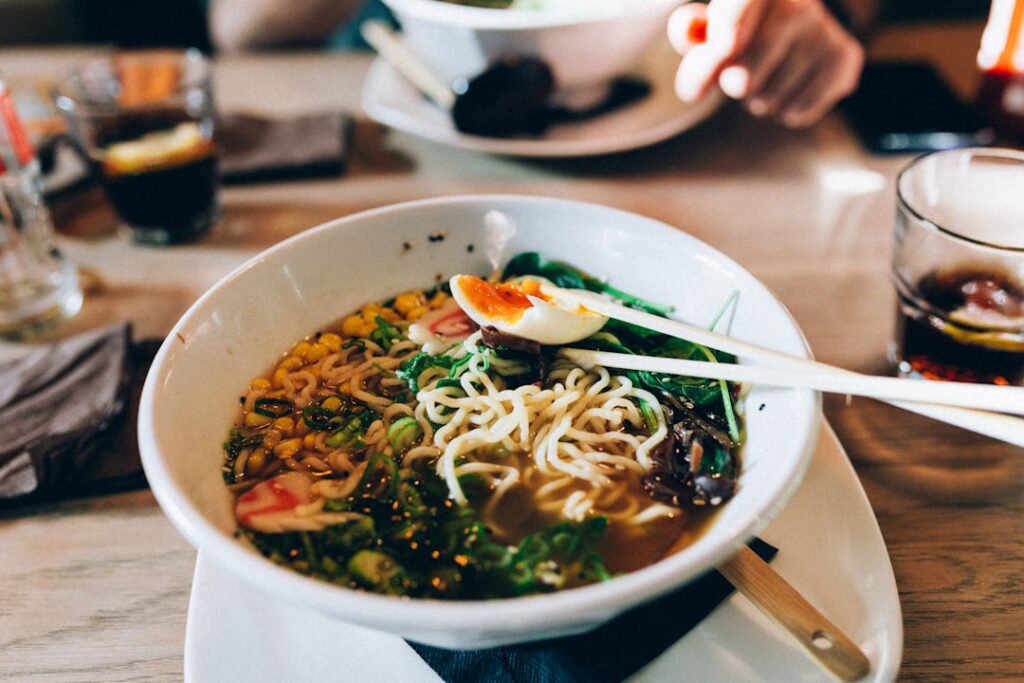
Gluten-free ramen in Tokyo sits at the meeting point of 2 great food cultures: Japanese precision and a growing global demand for dishes that serve every diner at the table.
Why finding gluten-free noodles in Tokyo is harder than it looks
Most Japanese noodles like ramen and udon contain wheat. The challenge reaches further than the noodle itself. Soy sauce contains wheat, and many Japanese dishes include soy sauce in some form, in broth, dipping sauces, or as seasoning. So a bowl that looks simple can hide gluten in multiple places.

Celiac disease is rare in Japan and gluten-free diets are not broadly known, so there is not a widespread understanding of which foods do and do not include gluten and why people may need to avoid it. This is not an obstacle. It is simply useful context. The restaurants in this list have built their menus specifically around this gap.
In recent years, the diversity of Tokyo’s food has expanded with the development of cooking techniques based in gluten-free cuisine. The number of restaurants offering high-quality gluten-free dishes continues to grow. The 7 places below represent that growth at its most considered.
The top 3 dedicated kitchens for gluten-free ramen
1. Gluten Free T’s Kitchen (Roppongi and Ueno)

Gluten Free T’s Kitchen is a completely gluten-free restaurant with 2 locations in Tokyo, in Roppongi and Ueno. The kitchen is certified by the Gluten Intolerance Group (GIG), meaning they take cross-contamination seriously. You can choose from 2 types of gluten-free ramen, one of which is vegan. The menu was developed based on customer surveys, and the kitchen selected its line-up from over 700 recipes.
Their illustrated menu has both Japanese and English. They clearly mark which dishes are nut-free, dairy-free, egg-free, soy-free, gluten-free, and vegan. This level of detail reflects the same logic a good French chef applies to mise en place: every element considered, every allergen mapped.
2. Esoragoto Udon (Harajuku, Shibuya area)
This hidden gem in Tokyo’s Harajuku neighborhood specializes in gluten-free udon noodles made from brown rice that taste just like the real thing. They make everything from brown rice flour, with no gluten present, not even in the soy sauce. The format is a compact standing counter. You order at a ticket machine and receive your bowl quickly.
Try the classic niku udon topped with delicate slices of beef, or go for the curry udon. Their dedicated gluten-free kitchen means zero cross-contamination concerns. Their tempura is also gluten free, a rare treat in Tokyo.
3. Oh Nana! (Kanda, Chiyoda)
Oh Nana! in Kanda offers 100% gluten-free food during lunch and dinner. The owner has celiac disease, so you know you are in safe hands. The menu includes vegetable tempura, fried chicken, rice bowls, curry, sushi, and more. They also offer bento boxes for takeout. This is a kitchen built from personal experience, not marketing. That sincerity arrives in every dish.
4 more restaurants worth visiting for gluten-free noodles
4. Soranoiro Nippon (Tokyo Station, Chiyoda)
Soranoiro’s Tokyo Station location offers a gluten-free shio (salt) ramen option made with brown rice noodles. The brown rice noodles have a chewy and springy texture and are sourced from Miyauchiya in Shimane prefecture, makers of gluten-free food. Note that this is not a dedicated kitchen. Order the vegan veggie soba and ask for brown rice noodles, which are always cooked separately from the wheat-based noodles. Celiacs with high sensitivity should communicate their needs clearly when ordering.
5. Gluten Free Ramen Sinbusakiya (Shibuya)
Sinbusakiya in Shibuya offers gluten-free, vegan, and non-pork ramen options. Opening hours extend very late: Tuesday to Thursday from 11am until 5am, and Friday to Saturday until 7am. For those who want ramen at midnight in Tokyo, this is a rare, considered option.
6. Afuri (Ebisu and multiple locations)
Afuri in Ebisu serves ramen that is light and flavorful, with options for vegans, vegetarians, and people eating gluten-free. Their menu is not 100% gluten-free, so you must ask for shirataki noodles made of konjac and inform staff that you are gluten-free to ensure the broth does not contain soy sauce. This restaurant suits diners with moderate sensitivity who want a full ramen-shop atmosphere.





7. Ain Soph Journey (Shinjuku)

Ain Soph Journey in Shinjuku is a plant-based restaurant that offers several gluten-free options clearly marked on the menu. If you are both gluten-free and vegetarian or vegan, this is one of the most accommodating restaurants in Tokyo. The staff are fluent in discussing allergens. The bowl arrives with the quietness of a tea ceremony: nothing unnecessary, everything in its right place.
Expert perspective on gluten-free dining in Tokyo
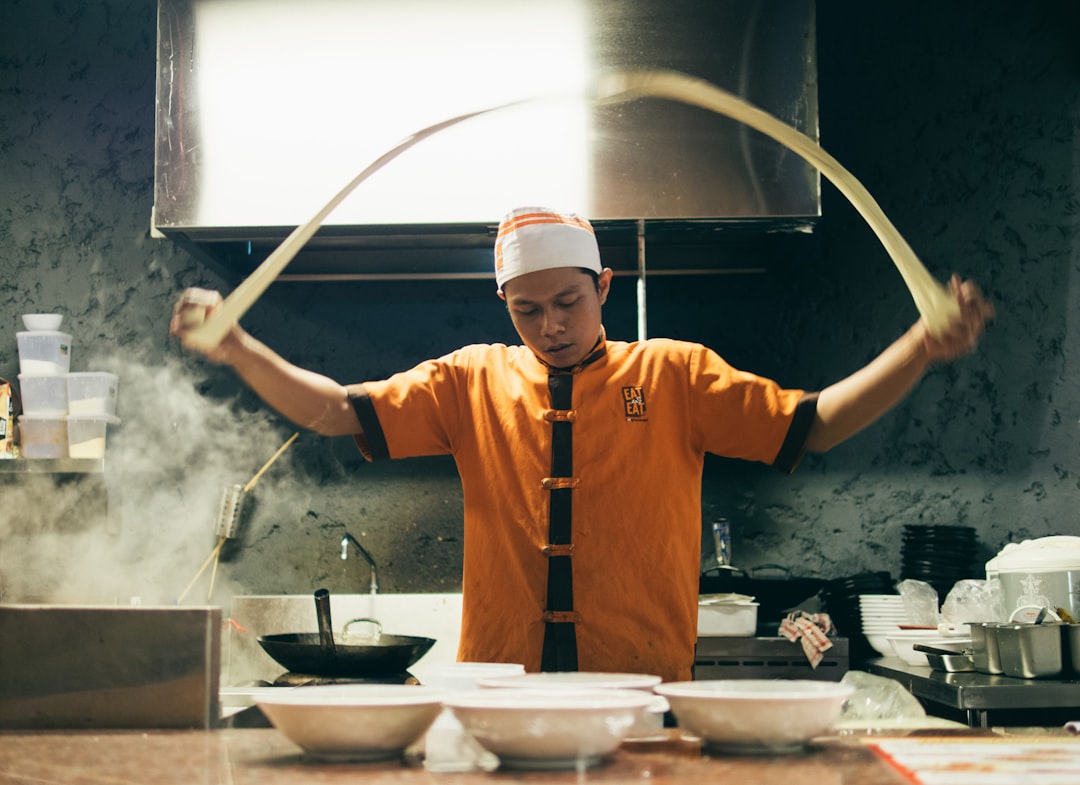
Tokyo’s food culture creates a unique situation for gluten-free diners. The city places extraordinary value on precision and craft in cooking. When a dedicated gluten-free kitchen opens here, that same craft applies to every ingredient and every process. Japanese fermentation traditions, including miso, koji, and tamari, already offer deep umami flavor without wheat. Skilled chefs in Tokyo are discovering that gluten-free noodles made from brown rice or rice flour can match the texture and satisfaction of wheat noodles. This is not a compromise cuisine. It is a different discipline, and Tokyo is one of the few cities in the world with both the culinary talent and the cultural focus to do it well. The number of dedicated gluten-free kitchens continues to grow because diner expectations are rising. Guests now arrive with detailed knowledge of cross-contamination. Restaurants that invest in true separation, certified kitchens, and staff training are the ones that earn loyal visitors.
Industry perspective, gluten-free food and hospitality professionals in Tokyo
A practical note on safety and tamari
Every restaurant above treats gluten differently. Some run fully dedicated kitchens. Others cook gluten-free noodles in separate water but share a broader kitchen space. Watch for the seasoning and condiments as well. Things like miso, soy sauce, and some vinegars contain gluten. When eating out, carry tamari, Japan’s wheat-free soy sauce, as a substitute.
Since there is no standard for labeling gluten-free food in Japan, you need to be extra cautious when doing grocery shopping at supermarkets or buying snacks at convenience stores. At restaurants, a printed translation card in Japanese remains one of the most effective tools a visitor carries.
Most restaurant staff in Tokyo are accommodating once they understand your needs. Japanese culture places high value on hospitality, and many places will go out of their way to ensure you have a safe and enjoyable meal.
Conclusion: gluten-free ramen in Tokyo is a pursuit worth making
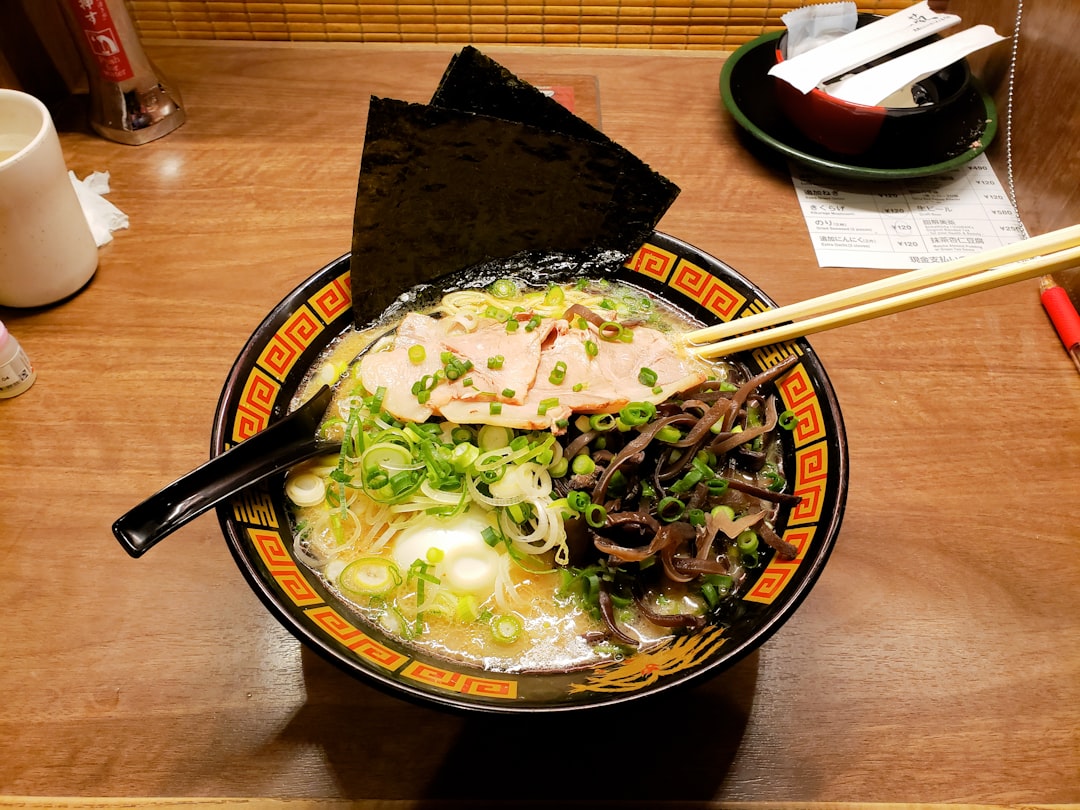
Tokyo brings together Japan’s finest technology and traditional food culture. By selecting the right ingredients, production methods, and cooking techniques, the city can provide gluten-free dishes of authentic Japanese cuisine. These 7 restaurants prove that gluten-free ramen in Tokyo is no longer a footnote. It is a craft in its own right.
Visit these addresses with intention. Carry your tamari. Ask your questions with courtesy. Then sit, or stand, over your bowl and receive what Tokyo does better than almost any city: a meal made with complete attention. Gluten-free ramen belongs here, and the city has made space for it beautifully.
Discover more about gluten-free ramen
- GO TOKYO Gourmet: Enjoy gluten-free dining in Tokyo
- Legal Nomads: Essential gluten-free guide to Japan
- Food Tour Tokyo: Can you eat gluten-free in Tokyo? A complete travel guide
Originally published on TOKYOwebzine.