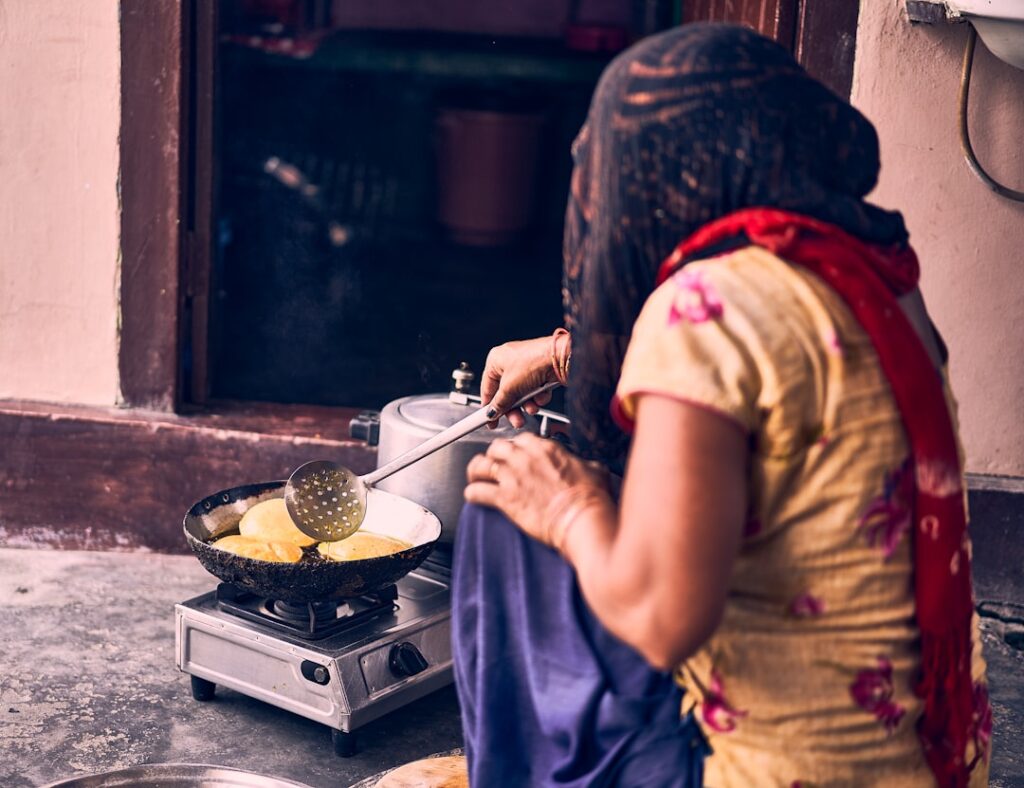
Gluten-free breakfast is not a modern invention in India. It is something our grandmothers made without naming it, every single morning, from grains that have fed this land for thousands of years.
Why Indian tradition already had the answer
India’s ancient food culture built its morning meals around rice, lentils, and millet. For centuries, Indian kitchens have relied on naturally gluten-free ingredients: lentils, rice, and especially millets. These grains were not chosen because of a wellness trend. They were chosen because they grew abundantly, nourished deeply, and tasted extraordinary.

Millets are ancient small grains grown in arid and semiarid regions of the world. They are staple food for many people in Asia and Africa. They are abundant sources of minerals and vitamins, giving them the name Nutricereals. Today, urban India is rediscovering what rural India never forgot.
The India gluten-free food market was valued at USD 817.70 million in 2024. The market is projected to exhibit a CAGR of 6.77% during 2025 to 2033. This growth is not driven by foreign food culture. It is driven by Indians returning to their own tables.
The 7 gluten-free breakfast dishes worth knowing
1. Ragi dosa

Ragi dosa is a nutritious and tasty South Indian variation that has gained popularity for its health benefits and delicious taste. Made from ragi (finger millet) flour, this dosa is a wholesome alternative to the traditional rice-based dosa, offering a gluten-free and high-fiber option. Serve it with coconut chutney and sambar for a complete morning meal.
2. Idli
Fermentation is the most cost-effective and easiest way to enhance nutritional quality and increase protein digestibility. Dosa, idli, injera and masa are fermented breakfast foods prepared from millet grains and are popular in Africa, India, and China. Classic idli uses a rice and lentil batter that is naturally free of gluten.
3. Poha
Poha (flattened rice) is naturally gluten-free. It is a good source of iron and is commonly used in Indian breakfast dishes. A quick and comforting dish made with flattened rice, turmeric, peanuts, and fresh coriander. It takes less than 15 minutes to prepare on a busy morning.
4. Bajra roti
Bajra roti is a classic Indian flatbread crafted from bajra (pearl millet) flour, valued for its earthy taste and remarkable nutritional benefits. Commonly found in rural regions of India, especially in Rajasthan and Gujarat, it is celebrated for its high content of fiber, protein, and vital minerals such as iron and magnesium. This gluten-free flatbread is an excellent choice for those looking to incorporate whole grains into their diet.





5. Jowar upma
Traditional upma is made with semolina, but swapping it for ragi, jowar, or bajra makes it a gluten-free, nutrient-rich powerhouse. Jowar upma offers a slightly earthy, satisfying base. Add mustard seeds, curry leaves, and vegetables, and tradition does the rest.
6. Millet idli
The South Indian favourite idlis can be given a healthier spin by using bajra flour. The millet flour is packed with essential nutrients and also adds a smooth texture and flavour to the regular idlis. This variation keeps the comfort of the original and adds the nutrition of millet.
7. Sabudana khichdi
A favourite during fasting, sabudana khichdi combines tapioca pearls with potatoes, peanuts, and mild spices: light yet super satisfying. It is naturally free of gluten and works beautifully as a morning meal any day of the week.
The nutrition behind gluten-free breakfast grains
The grains behind these dishes carry serious nutrition. Millets are exceptionally high in calcium (ragi: 344mg per 100g) and iron (pearl millet: 5 to 6.5mg per 100g), plus zinc, phosphorus, B vitamins, and antioxidants. These are not empty calories. They are dense, functional foods.

With a low glycemic index, millets provide a slow and steady release of sugar into the blood. This makes them particularly helpful for managing diabetes, a common condition in India. Furthermore, millets are gluten-free and non-allergenic: a great grain for individuals with celiac disease and gluten sensitivity.
Studies have shown that fermenting finger millet flour using grain microflora can elevate the level of minerals including iron, zinc, calcium, and magnesium. So dishes like ragi dosa and idli are not only traditional. They are scientifically sound choices for daily nutrition.
Expert perspective on millet and gluten-free breakfast
India’s relationship with millet and rice as breakfast grains is one of the longest-standing examples of intuitive nutritional wisdom in the world. These grains are not alternatives created for a niche dietary need. They are the original. When we look at the nutritional profiles of ragi, jowar, and bajra, we see grains that outperform wheat on calcium, iron, and fiber. Fermentation, which is central to dishes like idli and dosa, further increases the bioavailability of these nutrients. The gluten-free breakfast that modern consumers are searching for has existed in Indian homes for generations. The work now is simply to document it, celebrate it, and make it accessible to a new generation of eaters who may have moved away from it.
Industry perspective, food science and nutrition professionals in India
How to build a gluten-free breakfast pantry at home
Starting a gluten-free breakfast routine at home is simple. Having gluten-free basics at home enables you to have an easier time preparing breakfast on a daily basis. You do not need to think much in the morning when you already have flours such as rice flour, besan, jowar, and ragi in your pantry.
Dosa or idli batter prepared in large quantities and refrigerated can take one through several days of breakfast. This approach saves time and removes the morning pressure of cooking from scratch. Prepare once, eat well for 3 to 4 days.
Hing (asafoetida) is one of the common spices that mostly has gluten, and is found in store-bought spice mixes in India. It is recommended to buy whole spices and make spice mixes at home to avoid cross-contamination. Small habits like this protect the integrity of a naturally gluten-free diet.

Conclusion: a gluten-free breakfast that belongs to India
The world is learning what India already knew. A gluten-free breakfast does not require imported ingredients or expensive substitutes. It requires rice, millet, a little patience, and the knowledge passed down through generations. As consumer demand grows for nutrition-rich, allergy-safe, and sustainable foods, India’s gluten-free options blending tradition and innovation offer a diverse and delicious landscape worth exploring. Start with 1 of these 7 dishes tomorrow morning. Make a gluten-free breakfast part of your daily ritual, not because a trend told you to, but because India already had the answer. Bring it back to your table.
Discover more about gluten-free breakfast
- Promoting Millets in Diets: Best Practices across States and UTs of India (NITI Aayog)
- India Gluten-Free Food Market Size, Share and Growth Forecast (IMARC Group)
- Taste research suggests pearl millet could be a healthy, sustainable, gluten-free wheat alternative (ScienceDaily, 2025)
Originally published on INDIAwebzine.