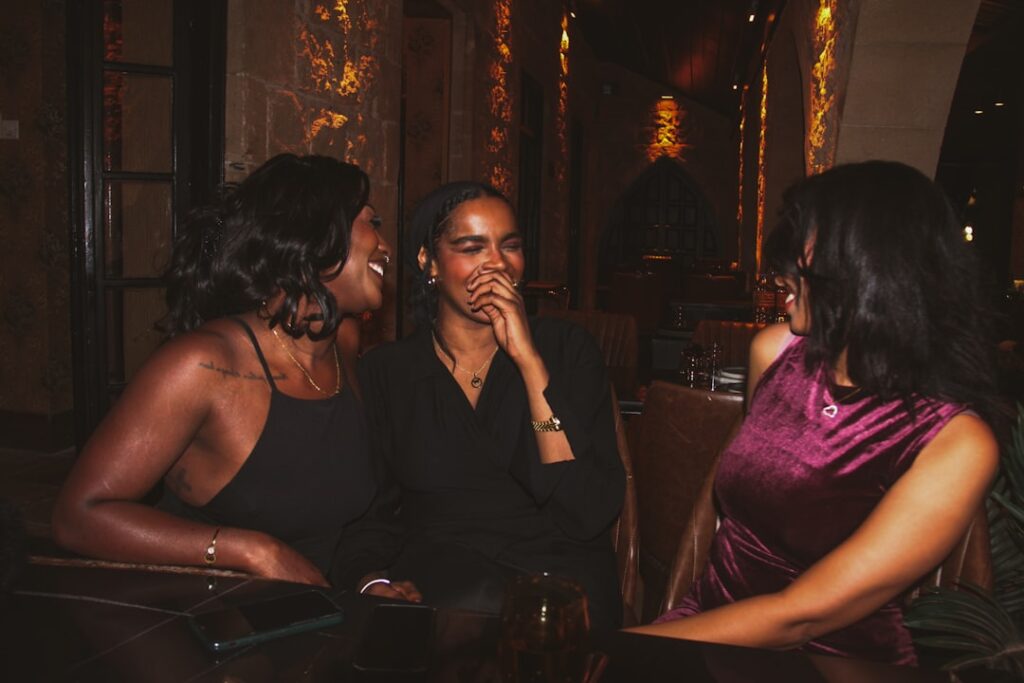
Private dining in London has always carried a particular kind of energy: the sense that the best meals in this city happen behind closed doors, in rooms that never appear on any restaurant app.

Why private dining clubs matter in London
London’s club scene is older than most people realise. Born from the 17th-century coffee houses, London’s private members’ clubs have been a fixture of the city’s social scene for hundreds of years. The dining rooms inside these clubs were always the centre of the experience. Members met, negotiated, celebrated, and argued over long meals in rooms the public never saw.
Historically, private members’ clubs were reserved for wealthy, high-society men. Gentlemen’s clubs began around the 17th century, with London as the main hub, particularly around St James and Pall Mall. Different clubs served different groups: politicians gathered at the Reform Club, while diplomats met at the St James Club. Today, the picture looks very different, and that makes it a far more interesting world to navigate.
There are now more than 133 private members’ clubs in London. This density shows that exclusivity is no longer a niche commodity but a thriving industry standard for the wealthy. The dining room remains the social centre of most of them.

The clubs with the best private dining rooms
Annabel’s in Mayfair is the name most people know first. Situated in a Grade I listed Georgian townhouse in Mayfair, Annabel’s is one of the most revered and well-known private clubs in London. The dining experience here is deliberately theatrical, and the dress code is enforced. Annabel’s usually charges an annual membership fee of £3,250.
The Lansdowne Club occupies an 18th-century Robert Adam mansion on Berkeley Square and has stood at the centre of Mayfair life since 1763. Reimagined in 1935 as a private members’ club, it was notably one of the first to welcome men and women on equal terms. At the centre of the experience is the Art Deco Dining Room, where pre-dining drinks in the elegant Piano Bar set the tone. Under Executive Head Chef Henry Brosi, the kitchen delivers considered, ingredient-led cooking that matches its surroundings.
George, a Birley Club, is a contemporary private members’ club on Mount Street in the heart of Mayfair. The ground-floor Dining Room features clean lines and an easy elegance, with walls adorned by works from David Hockney. Outside, a canopied terrace offers al fresco dining throughout the year. The menu centres on seasonal ingredients, with an open kitchen serving classic brasserie dishes shaped by British and international influences.
Soho and beyond: a new wave of private dining
According to industry reports, more clubs have opened in the past 4 years than in the 3 decades following the Groucho Club’s 1985 launch, with even more set to join them soon. This growth reflects a shift in what Londoners want from a private dining room. The format is no longer tied to old-school formality.
The Groucho Club is an iconic members’ club in Soho and features 2 bars, 2 restaurants, and private dining rooms. It has attracted writers, artists, and media figures since its opening and remains one of the most culturally rich dining environments in the city. Century Club is a multi-level private members’ club in Soho focused on creativity, entertainment, and nightlife. Spread across 6 floors, it combines co-working areas, rooftop dining, and screenings. The rooftop terrace is especially popular in summer, and the basement hosts live music, comedy nights, and DJ sets.
Home House spans 3 interconnected Georgian townhouses in Marylebone, blending historic grandeur with contemporary luxury. Members enjoy elegant dining rooms, a boutique gym and spa, lounges, private event spaces, and a serene courtyard garden. It appeals to members who want a social base that does not feel like a formal institution.







What insiders say about private dining culture
Private dining in London has become something more nuanced than simple exclusivity. Members increasingly expect a dining room that reflects a genuine point of view: a kitchen with real ambition, a wine list that shows care, and a room where the privacy enhances rather than isolates. The best clubs understand that their dining offer is a statement about values, not just status. New members today often join first for the food and the chef before they think about the networking. The dining room is where a club earns its reputation, night after night, one table at a time. A great private dining room should feel like the city’s best-kept secret, not its most expensive postcode.
Industry perspective, private members’ clubs and hospitality professionals in London
How to get a seat: the practical guide
By today’s standards, private dining clubs are less about stuffy leather armchairs and more about rooftop pools, celebrity chefs, and privacy policies that ban photography. Knowing how the process works matters as much as knowing which club to target.
Most clubs require a proposer: a current member who supports your application in writing. Some, like George and Annabel’s, also require a seconder. These private members’ clubs will not appear in restaurant ratings guides, yet they will certainly be on a par with the very best establishments around. A personal introduction from an existing member is still the most reliable route into the room.
Some clubs now offer trial dining events for prospective members. The Lansdowne Club is available to experience through a one-off dining-led invitation within the Luxury Restaurant Guide app. This approach lets guests taste the dining room before committing to a full application. Home House membership starts from around £2,250 a year, which strikes a balance between exclusivity and community.

Conclusion: private dining as a London experience
Private dining clubs define a particular layer of this city’s food culture. London is a place where every neighbourhood carries its own identity, and the best private dining rooms reflect that same diversity. From Mayfair’s historic Art Deco rooms to Soho’s creative multi-floor clubs, private dining in London offers something for almost every taste and ambition. London has long been associated with exclusivity, refinement, and discreet social spaces where connection, culture, and conversation flourish behind elegant doors. If you are ready to explore this world, start with a personal introduction, visit a trial dinner where one is offered, and choose a club whose dining room genuinely excites you. The seat is worth the effort. Private dining remains one of London’s great pleasures.
Discover more about private dining
- London’s Best Private Members’ Clubs: The Definitive List
- Dining Out in London: Hospitality Industry Trends
- Modern Life Is Clubbish: How the Members Club Playbook Is Shaping London’s Dining Scene
Ursprünglich veröffentlicht auf LONDONwebzine.