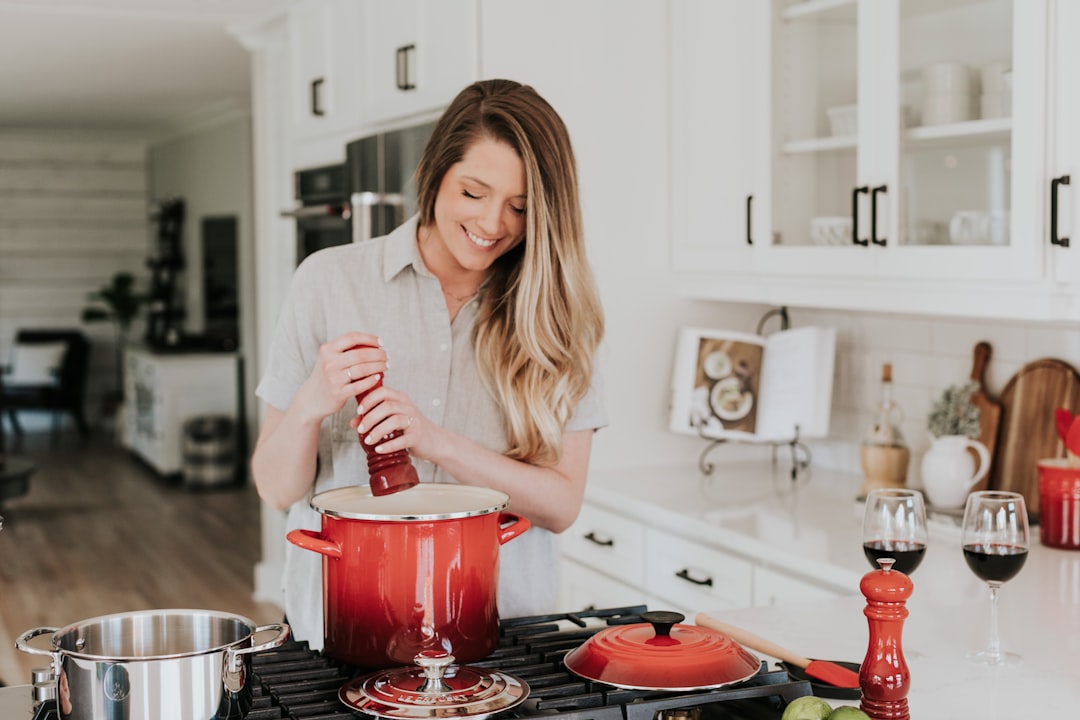
KONTAKT
  • Anmelden
Upgrade
GUSTOwebzine
Advertisement
  • Startseite
    • Unsere Autoren
    • Kostenlos abonnieren
    • Mediendaten
    • Kontakt
    • Allgemeine Geschäftsbedingungen
    • Datenschutzrichtlinie
  • Entdeckungen
    • Köche
  • Kulinarische Kultur
  • Essen & Getränke
  • Kochtipps
    • Rezepte
  • GUSTO Global
  • Einblicke
  • GUSTO-Guide
    • Hotels weltweit
    • Nachtleben weltweit
    • Restaurants weltweit
    • Dienstleistungen weltweit
  • Startseite
    • Unsere Autoren
    • Kostenlos abonnieren
    • Mediendaten
    • Kontakt
    • Allgemeine Geschäftsbedingungen
    • Datenschutzrichtlinie
  • Entdeckungen
    • Köche
  • Kulinarische Kultur
  • Essen & Getränke
  • Kochtipps
    • Rezepte
  • GUSTO Global
  • Einblicke
  • GUSTO-Guide
    • Hotels weltweit
    • Nachtleben weltweit
    • Restaurants weltweit
    • Dienstleistungen weltweit
Kein Ergebnis
Alle Ergebnisse anzeigen
GUSTOwebzine
Kein Ergebnis
Alle Ergebnisse anzeigen
Startseite Kulinarische Kultur

Langsam gekochte Bohnen aus fünf Traditionen

Master one humble ingredient using five distinct global techniques, from the French cassoulet to the Indian dal.

Ein Koch rührt vorsichtig langsam gekochte Bohnen in einem Tontopf über einer niedrigen Flamme und demonstriert klassische Technik

Slow cooked beans sit at the center of some of the world’s most refined culinary traditions, and mastering them from scratch requires far more than a pot and patience.

Why soaking is the essential first step

Every great slow cooked beans recipe begins before the heat is applied. You must soak your dried beans in cold water for a minimum of 8 hours, or overnight. This step hydrates the bean, shortens cooking time, and begins to dissolve the complex sugars that cause digestive discomfort. Discard all soaking water before cooking.

GUSTO guide worldwide restaurants, hotels, nightlife, professional services GUSTO guide worldwide restaurants, hotels, nightlife, professional services GUSTO guide worldwide restaurants, hotels, nightlife, professional services

Use a ratio of 3 parts water to 1 part dried beans for the soak. After soaking, rinse the beans twice under cold running water. This small discipline separates an elegant result from a murky, bitter pot. Every tradition covered in this guide assumes you start this way.

The French foundation: building depth through fat

The French approach to slow cooked beans is embodied in the cassoulet, a casserole from the Languedoc region of southern France. This dish centers on white haricot beans, cooked slowly with duck confit, pork sausage, and sometimes lamb, inside a thick ceramic vessel called a cassole. Fat is not incidental here. It is the medium that carries flavor deep into every bean.

Begin by rendering fat in a heavy pot over medium heat. Add diced onion, carrot, and celery, then cook them until they are soft and translucent. Add the soaked beans, cover with cold water or unsalted broth, and bring the liquid to a gentle simmer. Never allow the liquid to reach a hard boil. A restless, rolling boil breaks the bean’s skin and produces a texture that is grainy rather than silky.

The cassoulet teaches a principle that applies across all 5 traditions: begin with aromatics in fat, and let time do the remaining work.

The Brazilian method: seasoning in layers

Brazil’s feijoada is the national dish and a model of layered seasoning. It uses black beans, slow simmered with smoked meats, garlic, onion, and herbs such as parsley and cilantro. The critical technique is adding salt and acid at the correct moment. Salt added too early in the cook toughens bean skins. Add salt only in the final 30 minutes of cooking.

Acid works differently. A small amount of citrus juice or vinegar added at the very end brightens the entire pot. In Brazil, orange segments are served alongside the finished dish for exactly this reason. The citrus does not enter the pot; the diner applies it at the table. This is precise, intelligent cooking.

Notice also the importance of smoke here. A smoked pork element, even a small quantity, transforms the flavor profile completely. It adds a dimension that no spice blend can replicate.
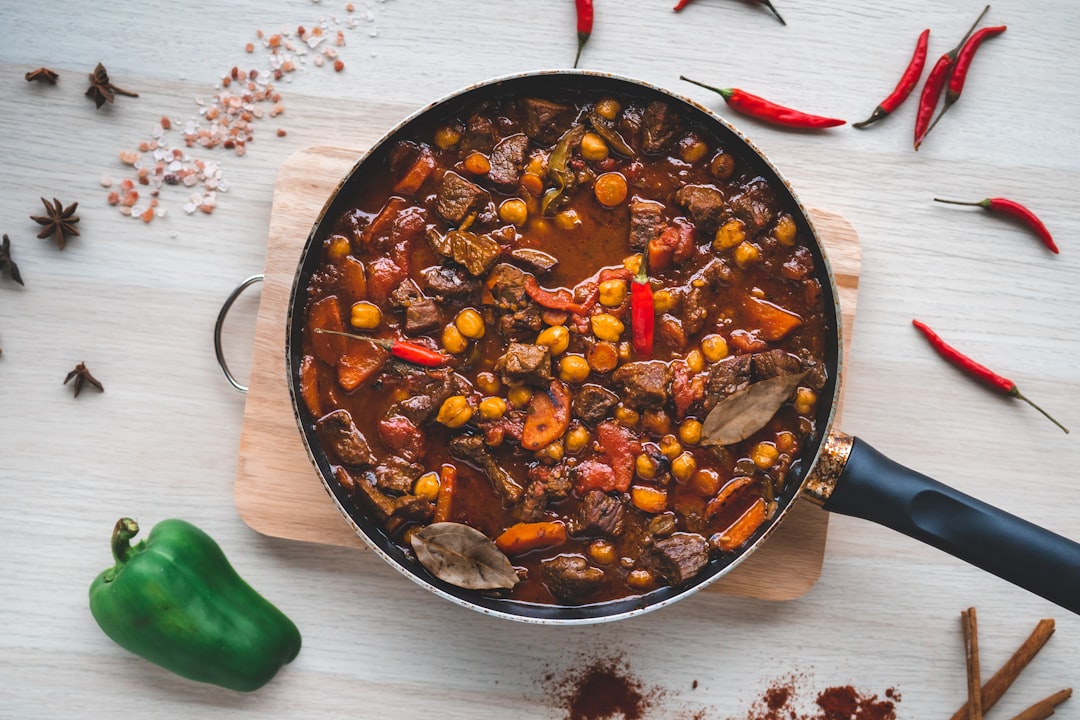
A chef blooming spices in oil before adding slow cooked beans to a deep pot in a professional kitchen

The Moroccan approach: spice as structure

In Morocco, loubia is a white bean stew built on a foundation of warm spice. The dish uses cumin, paprika, ginger, and cayenne, combined with garlic, tomato, and fresh herbs. The spices are not added at the end. They are added to hot oil at the very start, before any liquid enters the pot. This process, called blooming, releases fat-soluble aromatic compounds that bond with the oil and coat each bean as it cooks.

Heat 3 tablespoons of olive oil in your pot. Add 1 teaspoon of cumin and 1 teaspoon of smoked paprika to the hot oil and stir for 30 seconds. Then add your garlic and onion. The difference between bloomed spice and raw spice added late is significant. One creates depth. The other creates only sharpness.

Finish loubia with a generous amount of fresh parsley and a small drizzle of olive oil. The oil at the end is not decoration. It seals moisture inside each bean and creates a rich, coherent sauce.

An industry perspective on slow cooked beans

The global resurgence of interest in legumes is not simply a nutrition trend. It reflects a deeper understanding that slow cooking techniques, many of them centuries old, are the most reliable way to unlock the full potential of the bean. When a cook blooms spice in fat, soaks beans overnight, and builds a braise with patience and layered aromatics, the result carries a complexity that processed foods cannot imitate. Beans cooked from scratch deliver fiber, plant protein, and essential minerals in a form that is both accessible and culturally meaningful. The technique is the nutrition. Kitchens that invest time in proper bean preparation produce dishes that are genuinely superior in flavor, texture, and nourishment. The craft matters as much as the ingredient.

Industry perspective, culinary nutrition and sustainable food professionals
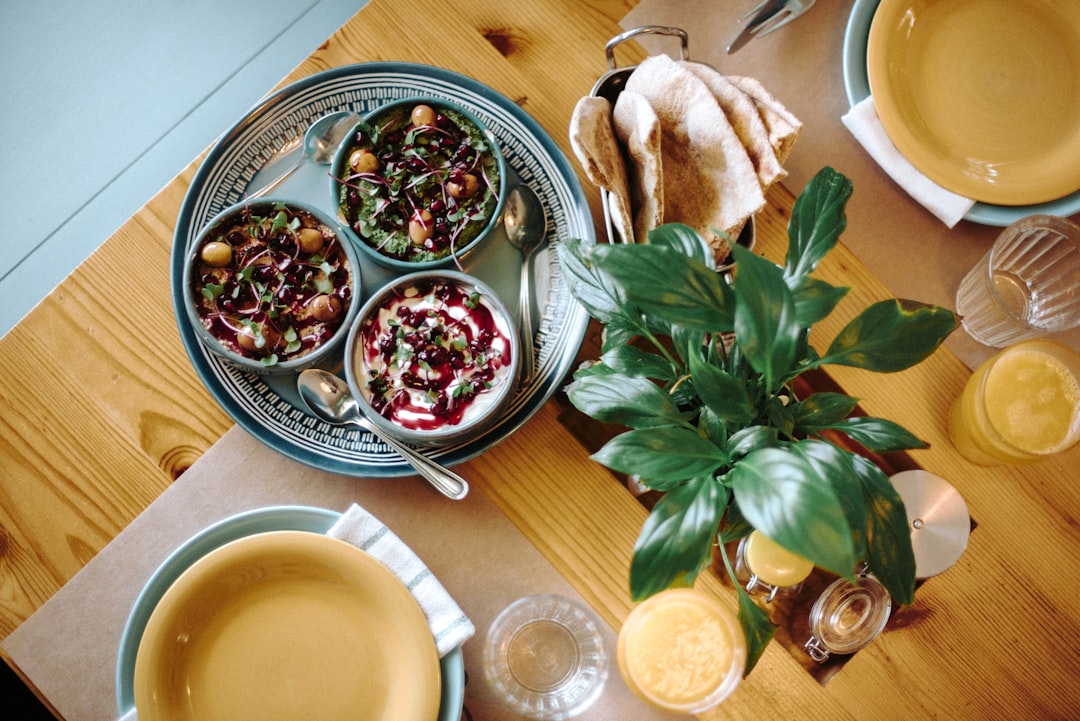
A person ladling slow cooked beans into a bowl at a beautifully set dining table, ready to eat

The Indian and Chinese schools: fermentation and aromatics

Indian dal demonstrates that slow cooked beans do not require long hours to achieve complexity. Red lentils or split chickpeas cook in 30 to 40 minutes, but the tarka, a hot oil infused with mustard seed, cumin, dried chili, and curry leaf, applied at the finish, creates an intensity that takes seconds to prepare and transforms the entire bowl. This finishing oil is a technique every cook should practice. It is fast, precise, and irreversible. Heat the oil until it shimmers, add the spices for no more than 20 seconds, and pour the contents directly over the cooked beans.

The Chinese tradition uses fermented black soybeans as a seasoning element rather than as the primary ingredient. These fermented beans carry a deep umami quality that amplifies every other flavor in the pot. Rinse them briefly, then crush them lightly before adding them to oil with garlic and ginger. Use them as a base for stewing kidney beans or black-eyed peas. The fermentation technique, applied as a flavor agent rather than a cooking method, shows how one tradition can enrich another.

Finishing well: the conclusion of the cook

Slow cooked beans reward attention at every stage, and the final minutes matter as much as the first. Taste the liquid. Adjust salt. Add a small amount of acid if the dish feels flat. Consider a finishing fat, whether olive oil, butter, or sesame oil, depending on your tradition. These are not optional steps. They are the difference between a complete dish and an unfinished one.

-

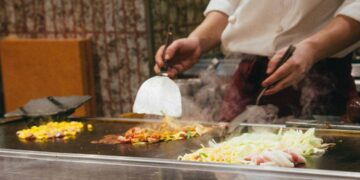
Ein Koch röstet saisonales Wurzelgemüse in einer Profiküche zur Herbst-Tagundnachtgleiche und demonstriert klassische Techniken

Herbst-Tagundnachtgleiche und wie Köche die Hitze neu denken

16/09/2026
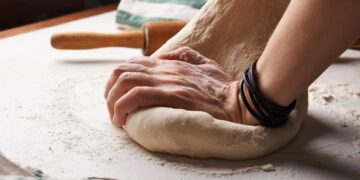
Ein erfahrener Bäcker formt einen Sauerteiglaib von Hand, was das Handwerk im Herzen globaler Brottraditionen widerspiegelt

Brottraditionen und was sie offenbaren

15/09/2026
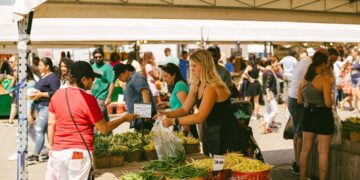
Eine Frau wählt im September auf Erntemärkten in Europa saisonales Gemüse aus, während Kisten mit frischen Produkten arrangiert sind.

Erntemärkte prägen, wie Hobbyköche einkaufen

12/09/2026
Eine Frau, die sich sorgfältig um einen Tontopf mit fermentiertem Gemüse kümmert und die Kunst der Fermentation als Lebensmittelkonservierung demonstriert

Fermentation und Lebensmittelkonservierung weltweit

06/09/2026
Ein Koch richtet sorgfältig eine Schüssel mit Herbstgerichten in einer Profiküche an und demonstriert klassische Erntezeit-Techniken

Herbstgerichte für das Kochen zur Erntezeit

05/09/2026
Eine Gruppe von Gästen, die über einen gemeinschaftlichen Tisch voller geteilter Gerichte greifen und die Tradition des gemeinsamen Tisches feiern.

Traditionen des gemeinschaftlichen Tisches in verschiedenen Kulturen

31/08/2026

Serve slow cooked beans with a starch that suits the tradition: rice for feijoada, crusty bread for loubia, flatbread for dal. The bean is the center of the plate. Build everything else around it with the same care you used to cook it. Slow cooked beans are one of the most rewarding preparations in any kitchen, and a cook who masters them masters something permanent.

Discover more about slow cooked beans

  • FAO: Pulses and Legumes in World Food and Agriculture
  • Frontiers in Nutrition: Legumes and common beans in sustainable diets (2024)
  • Tasting Table: Classic bean dishes from around the world (2025)

[Ende der Leistungen]

Autor-Avatar
Claire Beaumont
Claire Beaumont ist in der Bouchon-Kultur Lyons aufgewachsen, wo Sonntagsessen drei Stunden dauerten und jedes Gericht eine Geschichte erzählte. Sie absolvierte ihre Ausbildung am Institut Paul Bocuse, bevor sie sich dem Lebensmittelschreiben widmete und sich auf klassische französische Techniken, regionale Produkte und die sich entwickelnde Restaurantszene Europas konzentrierte. Ihre Arbeiten sind elegant, präzise und immer tief in der Handwerkskunst hinter dem Teller verwurzelt.
Vollständiges Profil anzeigen
Vorheriger Beitrag

Kulinarik-Konzepte, die lokale Kultur widerspiegeln

Nächster Beitrag

Private dining clubs: London’s best rooms

Verwandt Beiträge

Ein Koch röstet saisonales Wurzelgemüse in einer Profiküche zur Herbst-Tagundnachtgleiche und demonstriert klassische Techniken
Kulinarische Kultur

Herbst-Tagundnachtgleiche und wie Köche die Hitze neu denken

16/09/2026
Ein erfahrener Bäcker formt einen Sauerteiglaib von Hand, was das Handwerk im Herzen globaler Brottraditionen widerspiegelt
Kulinarische Kultur

Brottraditionen und was sie offenbaren

15/09/2026
Eine Frau wählt im September auf Erntemärkten in Europa saisonales Gemüse aus, während Kisten mit frischen Produkten arrangiert sind.
Kulinarische Kultur

Erntemärkte prägen, wie Hobbyköche einkaufen

12/09/2026
Eine Frau, die sich sorgfältig um einen Tontopf mit fermentiertem Gemüse kümmert und die Kunst der Fermentation als Lebensmittelkonservierung demonstriert
Kulinarische Kultur

Fermentation und Lebensmittelkonservierung weltweit

06/09/2026
Ein Koch richtet sorgfältig eine Schüssel mit Herbstgerichten in einer Profiküche an und demonstriert klassische Erntezeit-Techniken
Kulinarische Kultur

Herbstgerichte für das Kochen zur Erntezeit

05/09/2026
Nächster Beitrag
Three women sit together at a dimly lit restaurant table, laughing and chatting warmly while wearing stylish outfits.

Private dining clubs: London’s best rooms

Hinterlassen Sie eine Antwort Antwort abbrechen

Ihre E-Mail-Adresse wird nicht veröffentlicht. Erforderliche Felder sind mit * gekennzeichnet

Truelang AI Translations Truelang AI Translations Truelang AI Translations
Kein Ergebnis
Alle Ergebnisse anzeigen

Unser Fokus

GUSTOwebzine ist Ihr internationales Fenster zur Esskultur: kulinarischer Lifestyle, Trends, Rezepte und gastronomische Geschichten für ein globales Publikum mit Leidenschaft für außergewöhnlichen Geschmack.

Unsere Leser

GUSTOwebzine richtet sich an Leser, die sich intensiv mit Esskultur auseinandersetzen: als kulinarische Profis, leidenschaftliche Hobbyköche, Food-Unternehmer und Geschmacksmacher in ihren Gemeinden.

Unser Ansatz

Rezepte, Trends und Esskultur sind als Kontext und Indikatoren für Kreativität, Identität und die sozialen Kräfte integriert, die prägen, wie die Welt isst – nicht als eigenständige Inhalte.

Aktueller Beitrag

  • Truffle dinners in NYC this autumn
  • Herbst-Tagundnachtgleiche und wie Köche die Hitze neu denken

© 2026 GUSTOwebzine von NOOR & NOOR — Teil von WEBZINE.world.

Willkommen zurück!

Melden Sie sich unten bei Ihrem Konto an

Passwort vergessen?

Passwort abrufen

Bitte geben Sie Ihren Benutzernamen oder Ihre E-Mail-Adresse ein, um Ihr Passwort zurückzusetzen.

Anmelden
Manage Consent
To provide the best experiences, we use technologies like cookies to store and/or access device information. Consenting to these technologies will allow us to process data such as browsing behavior or unique IDs on this site. Not consenting or withdrawing consent, may adversely affect certain features and functions.
Functional Always active
The technical storage or access is strictly necessary for the legitimate purpose of enabling the use of a specific service explicitly requested by the subscriber or user, or for the sole purpose of carrying out the transmission of a communication over an electronic communications network.
Preferences
The technical storage or access is necessary for the legitimate purpose of storing preferences that are not requested by the subscriber or user.
Statistics
The technical storage or access that is used exclusively for statistical purposes. The technical storage or access that is used exclusively for anonymous statistical purposes. Without a subpoena, voluntary compliance on the part of your Internet Service Provider, or additional records from a third party, information stored or retrieved for this purpose alone cannot usually be used to identify you.
Marketing
The technical storage or access is required to create user profiles to send advertising, or to track the user on a website or across several websites for similar marketing purposes.
  • Manage options
  • Manage services
  • Manage {vendor_count} vendors
  • Read more about these purposes
View preferences
  • {title}
  • {title}
  • {title}
Kein Ergebnis
Alle Ergebnisse anzeigen
  • Startseite
    • Unsere Autoren
    • Kostenlos abonnieren
    • Mediendaten
    • Kontakt
    • Allgemeine Geschäftsbedingungen
    • Datenschutzrichtlinie
  • Entdeckungen
    • Köche
  • Kulinarische Kultur
  • Essen & Getränke
  • Kochtipps
    • Rezepte
  • GUSTO Global
  • Einblicke
  • GUSTO-Guide
    • Hotels weltweit
    • Nachtleben weltweit
    • Restaurants weltweit
    • Dienstleistungen weltweit

© 2026 GUSTOwebzine von NOOR & NOOR — ein Teil von WEBZINE.world.

Nicht genug Quote zum Freischalten dieses Beitrags
Freischaltungen verbleibend : 0
Sind Sie sicher, dass Sie Ihr Abonnement kündigen möchten?
Verifiziert von MonsterInsights
enEnglishdeDeutschesEspañolfrFrançaisnlNederlands