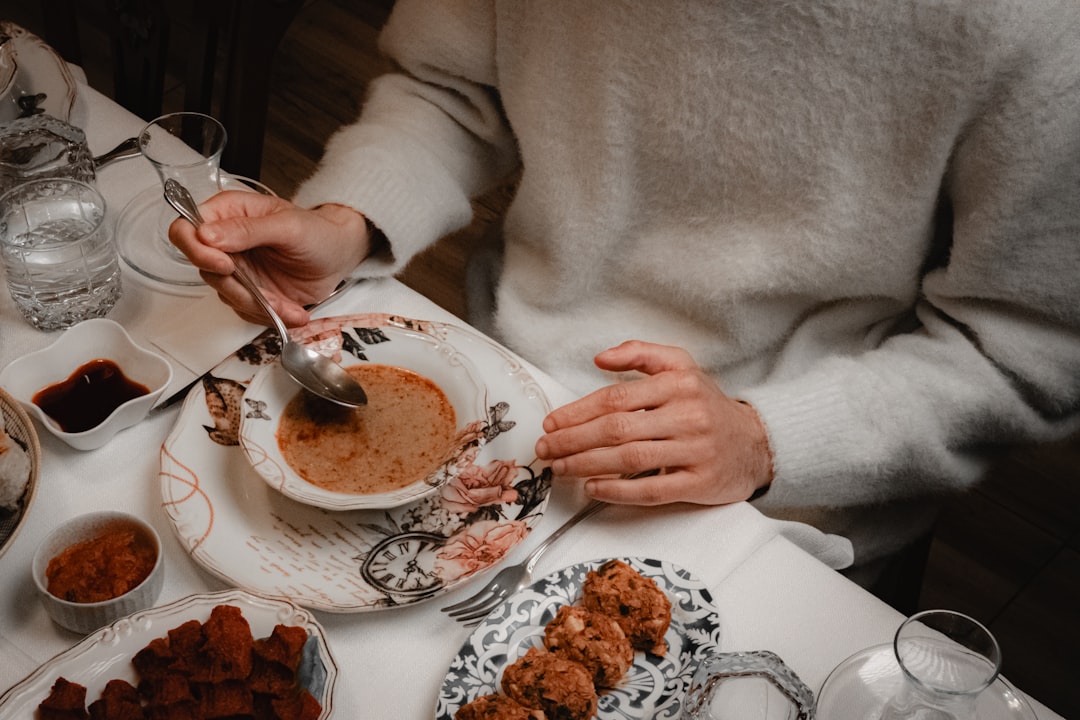
Taste seasoning is the single most transferable skill in cooking, and it works in every cuisine on the planet, even one you have never tried before.
Learn the 5 basic flavors first
Every cuisine on Earth builds flavor from the same 5 foundations: sweet, salty, sour, bitter, and umami. Before you cook a dish from an unfamiliar tradition, spend 5 minutes reading about its flavor profile. Ethiopian cuisine leans on fermented sourness and warm spice. Japanese cuisine prizes umami above all else. Peruvian cooking balances citrus acid, chili heat, and richness together.

This preparation gives your palate a target. You are not tasting blind. You are tasting with a question in mind: does this dish reach the flavor destination it is meant to reach? That question is the foundation of critical tasting.
Knowing the dominant flavor of a cuisine also tells you which corrective tools to reach for. If you are cooking a Thai green curry and the balance feels wrong, you already know the dish should combine heat, sweetness, acidity, and saltiness. That knowledge points you directly toward the fix.
Taste seasoning at every stage, not just at the end
The most common mistake home cooks make is tasting only once, right before serving. By that point, corrections are difficult. Instead, taste seasoning at 3 specific moments: at the start, in the middle of cooking, and just before serving.

At the start, taste your base ingredients individually. Smell and taste your spice blend, your aromatics, your stock. You are building a mental map. In the middle of cooking, take a small spoon and assess the dish as a whole. Ask: what does it need? At the finish, make small, precise corrections only.
Always add in small amounts. It is much easier to add more than to fix a dish that has too much of any one element. This rule applies to every cuisine without exception.
How to identify what is missing
When a dish tastes wrong, the cause is almost always one of 4 things: not enough salt, not enough acid, not enough fat, or not enough sweetness. Work through these 4 checks in order.
First, check salt. Salt does not make food taste salty. It makes food taste more like itself. A flat dish almost always needs more salt before anything else. Second, check acid. A squeeze of lime, a splash of rice vinegar, or a spoonful of yogurt can lift a dish that feels heavy or dull. Third, check fat. Fat carries flavor and rounds out sharp or bitter notes. Coconut milk, olive oil, and butter all serve this function across different cuisines. Fourth, check sweetness. A small amount of sugar or honey can soften excess acidity or heat.
-






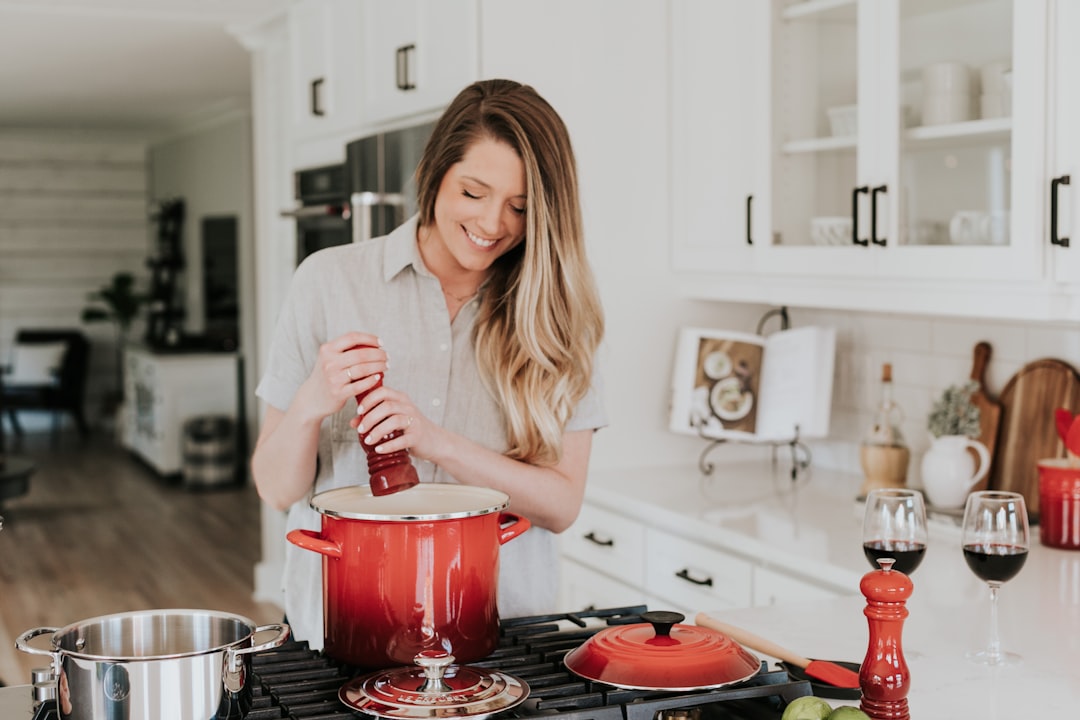
Expert perspective on critical tasting
When you cook a cuisine that is not your own, the biggest risk is that you correct it toward your own palate instead of toward the dish’s intended flavor. A home cook making mole for the first time will often reduce the bitterness because it feels unfamiliar, but that bitterness is structural to the dish. The solution is always to research before you cook, taste with curiosity rather than judgment, and make very small adjustments at a time. Critical tasting is not about deciding what you personally prefer. It is about understanding what the dish is trying to be and helping it get there. That is a skill that any cook can build, regardless of their background.
Industry perspective, culinary arts and global flavor professionals
Specific fixes for common problems
If a dish is too salty, add starch or dairy to absorb and dilute. Plain cooked rice, a raw potato simmered in the pot, or a spoon of cream can all reduce perceived saltiness. If a dish is too spicy, add fat or a small amount of sweetness. Coconut milk works well in Southeast Asian dishes. Yogurt works well in South Asian and Middle Eastern dishes.
If a dish tastes flat even after you add salt, the problem is likely acid. Add citrus or vinegar in very small amounts, taste after each addition, and stop the moment the dish comes alive. If a dish tastes sharp or sour, balance it with a small amount of fat or sweetness. These corrections are universal. They cross every cultural boundary.

Conclusion: taste seasoning with curiosity and method
The ability to taste seasoning critically is not a talent. It is a practice. Every time you cook an unfamiliar cuisine, you train your palate to recognize new flavor structures. Start with the 5 basic flavors, taste seasoning at every stage, and correct with small additions. Over time, your confidence will grow in proportion to your experience. Explore global dishes without fear. The method stays the same, even when the ingredients change completely.
Discover more about taste seasoning
- Season to Taste: A Professional Guide to Flavor Balance
- The Art of Seasoning: Bringing Out the Best Flavors
- Culinary Trends Impacting Innovation in 2026