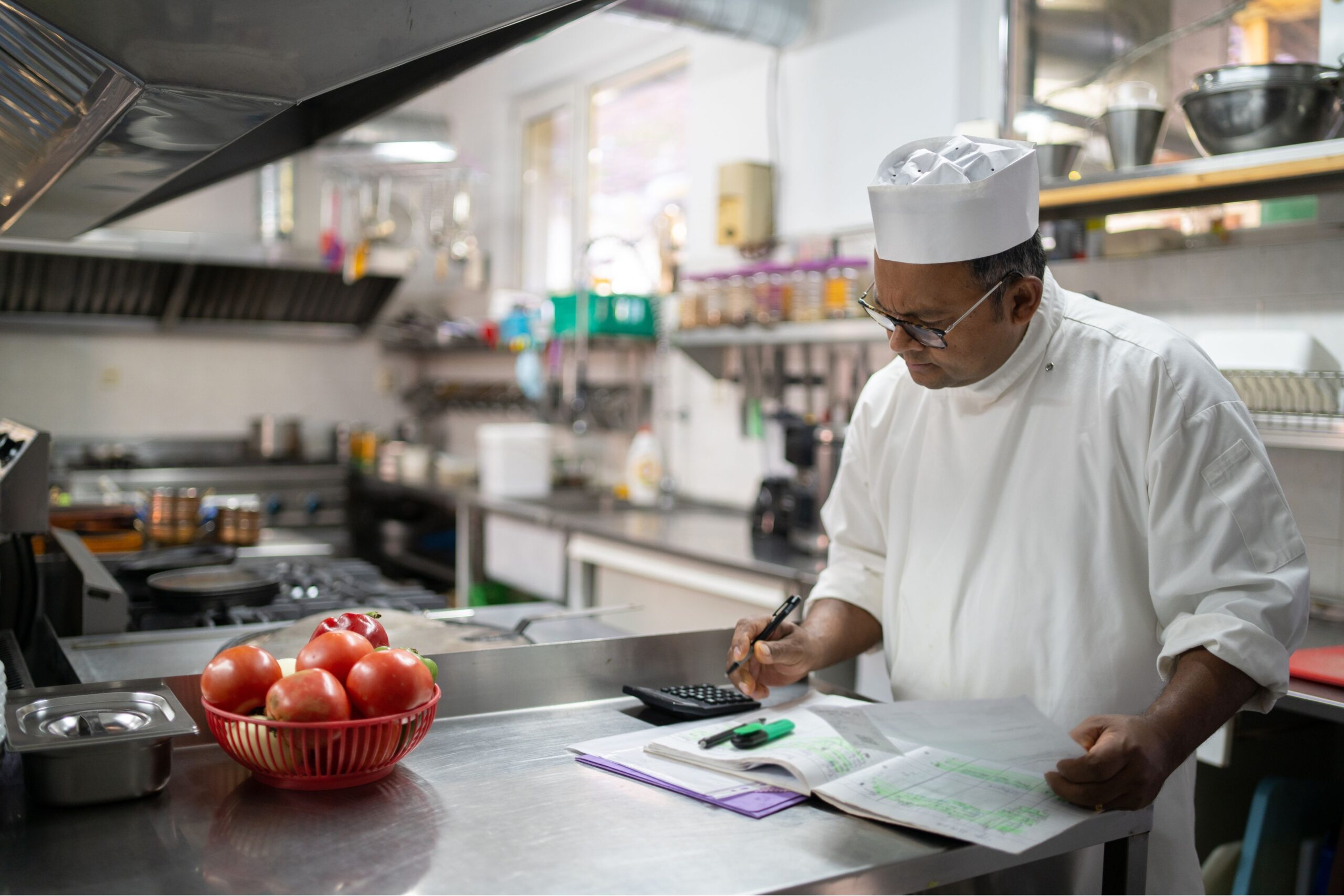
Understanding restaurant food cost reveals the hidden economics behind every dish. Therefore, professionals must master pricing calculations to ensure profitability. Indeed, the difference between success and failure often lies in accurate cost analysis.
The Foundation of Food Cost Calculations
Restaurant pricing extends far beyond ingredient expenses. Moreover, successful establishments account for multiple cost layers.

First, direct ingredient costs form the baseline calculation. However, this represents only 28-35% of menu prices in profitable restaurants.
Additionally, waste and spoilage add 4-8% to actual food cost. Furthermore, preparation labor significantly impacts final pricing.
Hidden Costs That Affect Menu Pricing
Many restaurants underestimate operational expenses when calculating prices. Consequently, profit margins suffer despite healthy sales volumes.
For instance, energy costs for cooking and refrigeration average 3-5% of revenue. Besides this, water usage and waste disposal add another 2-3%.
Nevertheless, the largest hidden cost remains kitchen labor. In fact, preparation time can double or triple the raw ingredient expense.
The 10 Essential Food Cost Tips
1. Calculate True Ingredient Costs
Track every component including oils, seasonings, and garnishes. Meanwhile, update prices monthly as supplier costs fluctuate.
2. Account for Yield Losses
Trimming, peeling, and cooking reduce usable portions by 15-40%. Therefore, calculate costs based on served portions, not purchased quantities.
3. Factor in Preparation Labor
Complex dishes require skilled staff and extended preparation time. Thus, labor costs often exceed ingredient expenses for signature items.
4. Include Overhead Allocation
Rent, utilities, and insurance distribute across every menu item. Specifically, these costs add 12-18% to base food cost.
5. Monitor Waste Patterns
Spoilage, over-portioning, and kitchen errors waste 4-10% of inventory. Consequently, implementing portion controls reduces this significantly.
6. Track Seasonal Price Variations
Ingredient costs fluctuate 20-60% seasonally for produce and seafood. Hence, menu prices should adjust quarterly or use flexible alternatives.
7. Calculate Actual Portion Costs
Weigh and measure exact serving sizes during preparation. Furthermore, standardize recipes to maintain consistency and profitability.
8. Add Delivery and Storage Costs
Transportation fees and proper storage equipment increase ingredient expenses. Additionally, premium suppliers charge 15-25% more for quality.
9. Consider Plate Presentation Costs
Garnishes, specialty plateware, and presentation elements add value. However, these items must factor into final pricing calculations.
10. Build in Price Increase Buffer
Supplier costs rise 3-8% annually across most categories. Therefore, menu prices should include cushion for inevitable increases.
Uruguayan Asado: Grill & Mate Culture
Uruguayan asado brings people together through slow-grilled meat and mate tea. Discover South American grill traditions and social rituals.

Belgian Fries: Best Potato Varieties
Belgian fries demand the right potatoes for that perfect crispy exterior and fluffy interior. Therefore, choosing the correct variety makes...

April Fools: Fish, Food & Fun Origins
April Fools has a secret and it smells like the sea. Every year on April 1, millions of people worldwide...

Beer Workshop Success in 7 Simple Steps
Planning a Beer Workshop combines two popular passions into one memorable event. Additionally, pairing craft brews with live music creates...

Real Restaurant Professional Experience
Franscesca Benedetti, Executive Chef, Tavola Moderna, Milan
“Our initial pricing seemed profitable on paper. However, we ignored preparation labor and waste patterns. Consequently, our food cost reached 42% instead of the planned 32%.”
“After implementing proper tracking systems, we identified the problems. Furthermore, we adjusted our menu engineering strategy. As a result, food cost dropped to 31% within six months. Indeed, our annual profit increased by €180,000 in 2025.”
Advanced Pricing Strategies for 2026
Market conditions in 2026 demand sophisticated pricing approaches. Therefore, restaurants must adapt traditional calculations to current realities.
Dynamic pricing models help accommodate fluctuating costs. Moreover, digital menu boards enable real-time price adjustments.
For example, successful restaurants in Tokyo, London, and New York now adjust prices weekly. Meanwhile, they maintain customer satisfaction through transparent communication.
Technology solutions automate cost tracking and price optimization. Thus, restaurant management systems calculate real-time food cost percentages.
Conclusion: Mastering Food Cost Management
Understanding true food cost calculations separates profitable restaurants from struggling ones. Therefore, implementing these 10 tips creates sustainable pricing strategies.
Moreover, accurate cost analysis enables informed menu decisions and competitive positioning. Indeed, mastering food cost fundamentals remains essential for restaurant success in 2026.
Start tracking your actual costs today. Furthermore, review and adjust your pricing strategy quarterly for optimal profitability.