
Hospitality CSR has become essential for hotels competing in 2026. Guests now demand transparency and sustainability from every establishment they visit. Moreover, properties implementing strong practices see measurable benefits across operations. This guide explores why hospitality CSR matters and how professionals can implement effective strategies.
Why Does Hospitality CSR Matter in 2026?
Guest expectations have shifted dramatically over recent years. Today’s travelers research sustainability credentials before booking accommodations. In fact, 78% of guests prefer hotels with documented environmental practices.

Furthermore, regulatory pressure continues mounting across major markets. The European Union requires detailed impact reporting from hospitality businesses. Similarly, Asian markets like Singapore and Japan enforce strict sustainability standards.
Financial performance also improves with strong initiatives. Hotels implementing comprehensive programs report 23% higher guest retention rates. Additionally, operational costs decrease through energy efficiency and waste reduction measures.

What Drives Modern Guest Expectations?
Social media amplifies guest voices like never before. Travelers share experiences instantly across platforms reaching millions worldwide. Consequently, one negative sustainability incident can damage reputation severely.
Younger demographics particularly value authentic commitment to practices. Millennials and Gen Z guests scrutinize greenwashing attempts carefully. Therefore, surface-level initiatives fail to impress informed travelers.
Price sensitivity has decreased for sustainable options. Research shows 64% of guests pay premium rates for eco-certified properties. Indeed, sustainability has become a competitive advantage rather than cost center.
How Can Hotels Build Effective CSR Practices?
Start with comprehensive sustainability audits across all operations. Measure current energy consumption, water usage, and waste generation metrics. Then, establish realistic reduction targets aligned with industry benchmarks.
Next, engage staff through training programs and incentive structures. Employees drive daily implementation of green initiatives throughout properties. Moreover, their enthusiasm directly influences guest perceptions and participation.
Technology enables better tracking and optimization of resource consumption. Smart systems monitor real-time usage patterns across facilities. As a result, managers identify improvement opportunities quickly and accurately.
Partner with local communities to create meaningful impact beyond property boundaries. Support regional suppliers, artisans, and conservation projects authentically. Besides environmental benefits, these relationships strengthen brand positioning.
Guest Testimonial
Maria Chen, Sustainability Director, Lotus Hotels Singapore
“Our hospitality CSR program faced initial resistance from operations teams. They worried sustainability would complicate workflows and increase costs. However, we demonstrated how simple changes improved efficiency significantly. Within six months, energy costs dropped 18% through LED upgrades. Guest satisfaction scores increased by 12 points on sustainability questions. Now, our practices attract premium-paying guests consistently.”
Beer Workshop Success in 7 Simple Steps
Planning a Beer Workshop combines two popular passions into one memorable event. Additionally, pairing craft brews with live music creates...

Friday the 13th: Foods Every Foodie Must Try
Friday the 13th is a gift for foodies who love food with a story. This date connects myth, culture, and...

Culinary Facts: 50 Expert Chef Insights
The world of cooking holds countless secrets shared by professional chefs daily. These culinary facts reveal techniques that transform ordinary...
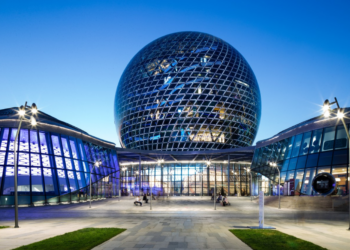
International Restaurant & Bar Expo 2026: Kazakhstan HoReCa Hub
International Restaurant & Bar Expo transforms Astana into Central Asia's premier hospitality destination. From June 16-18, 2026, industry leaders gather...

Which Hospitality CSR Strategies Deliver Results?
Energy Management Programs
- Install solar panels and renewable energy systems
- Upgrade to smart HVAC and lighting controls
- Conduct regular energy efficiency audits
Waste Reduction Initiatives
- Eliminate single-use plastics throughout properties
- Implement comprehensive recycling and composting programs
- Partner with food banks for surplus donation
Water Conservation Measures
- Install low-flow fixtures in all guest rooms
- Implement linen reuse programs with guest participation
- Harvest rainwater for landscaping irrigation needs
Community Engagement Projects
- Source ingredients from local sustainable farms
- Hire and train workers from surrounding neighborhoods
- Support cultural preservation and environmental conservation
Transparency remains critical for building guest trust. Therefore, publish detailed sustainability reports annually with verified metrics. Additionally, display certifications prominently across marketing materials and physical spaces.
Certification programs provide credibility and guidance for improvement. Consider pursuing LEED, Green Key, or EarthCheck accreditation. Furthermore, industry-specific certifications demonstrate serious commitment to guests.
Conclusion
Hospitality CSR represents both ethical imperative and business opportunity for 2026. Hotels implementing authentic sustainability practices attract loyal guests and reduce operational costs. Moreover, strong programs protect brands against reputational risks in transparent markets.
The competitive landscape increasingly favors establishments with documented impact. Therefore, professionals must prioritize hospitality CSR within strategic planning processes. Start with small, measurable initiatives and scale successful programs systematically.
Ready to transform your property’s sustainability performance? Begin by auditing current practices and engaging your team today.
Essential Resources for Hospitality Professionals
- Global Sustainable Tourism Council – Industry standards and certification guidance
- Hotel Energy Solutions – Free energy efficiency tools and training materials
- Sustainable Hospitality Alliance – Best practices and collaborative initiatives
- We Love Horeca – Community for Hospitality Professionals