

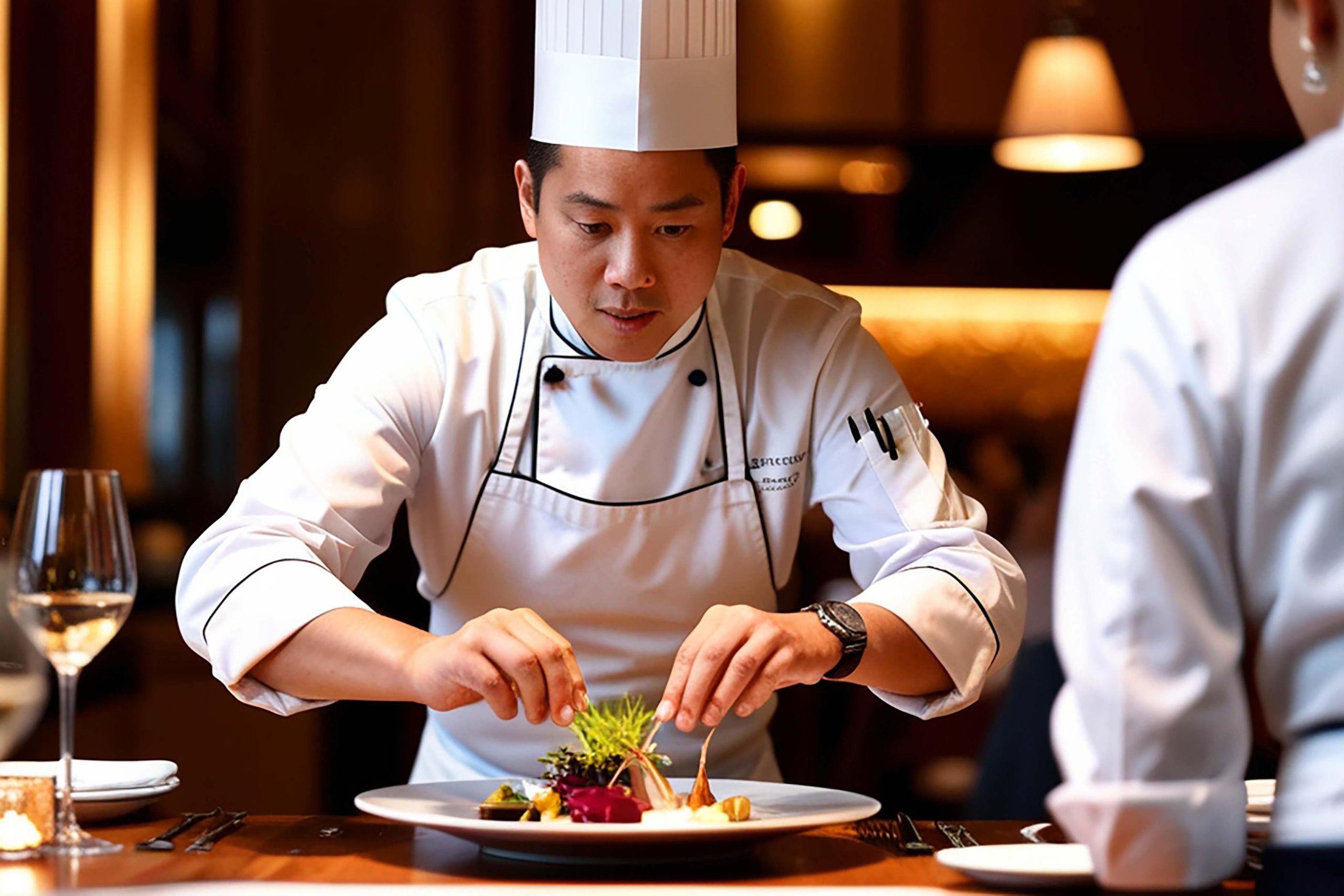
为什么季节性菜单规划在2026年很重要?
消费者期望在最近几年发生了显著变化。食客现在更仔细地阅读菜单,并更多地询问食材来源的问题。事实上,美国国家餐厅协会的一项2025调查发现,74%的成年人更倾向于在供应本地采购食品的餐厅用餐。
季节性食材比进口替代品更新鲜、更美味,通常也更便宜。此外,以本地食材为基础的菜单减少了运输排放。这对全球市场中越来越多的客人来说很重要。

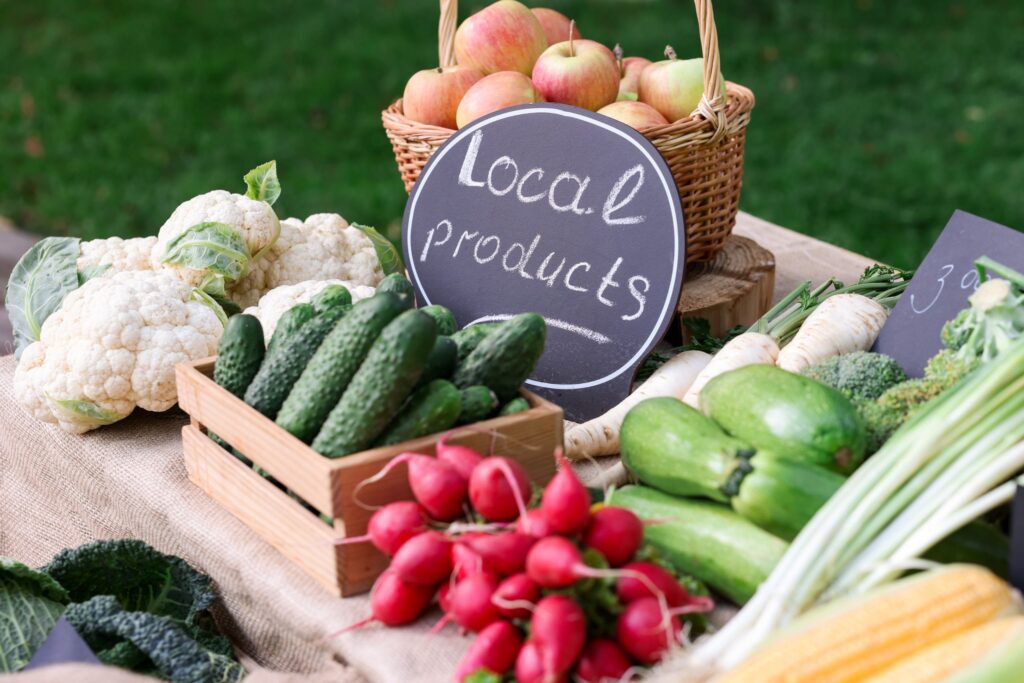
夏季前如何审计你的现有菜单
在推出新菜肴之前,请仔细评估你当前的供应品。从完整的食材审计开始。列出你菜单上使用的每一种食材,并确定当夏季到来时哪些物品会变得昂贵、不可获得或质量低下。

接下来,将你的菜肴分为3个类别:
- 保留:使用全年可获得且质量一致的食材的菜肴
- 调整:需要进行细微食材更改以在夏季保持相关性的菜肴
- 替换:依赖冬季或春季农产品且必须停用的菜肴
这个过程帮助你的团队将精力集中在正确的改变上。此外,它减少了在繁忙季节菜单中断的风险。


Japanese food labels: hidden gluten guide
Japanese food labels follow precise rules, but those rules do not protect every gluten-sensitive shopper. Wheat is mandatory, yet barley...







Monsoon dal recipes from 7 Indian states
India's monsoon season calls for warm, nourishing food, and nothing answers that call better than a bowl of dal. These...
Ramen shops NYC worth seeking out
New York City's ramen shops range from quiet artisan counters to bold fusion destinations, each bowl a small act of...

Rooftop restaurants for a July evening
July heat transforms European cities into something almost cinematic, and rooftop restaurants offer the most elegant escape. From Paris to...










The point about visiting farmers markets to build supplier relationships rather than just ordering through wholesale catalogs is something every chef should take seriously. I run a small bistro and the moment I started showing up at the market on Tuesday mornings, the farmers started saving me the best produce before it even hit the stalls. That kind of access doesn’t exist when you’re just a name on a delivery sheet.
The menu engineering quadrant analysis with food cost percentage on one axis and sales volume on the other is the framework I wish someone had handed me on day one. We had a winter mushroom risotto that was prestige on the menu but barely sold five plates a week and ate up prep time, while a simple soup we treated as filler was the actual margin driver. Cutting the risotto and promoting the soup felt counterintuitive but the numbers were clear. Seasonal rotation is also the gentlest way to drop a dish without anyone noticing it’s gone for good.
Was nodding the whole way through the part about planning three months ahead, because every chef I know underestimates that timeline. We tried rotating a menu last autumn with squash dishes and ended up scrambling at the last minute. Lesson learned the hard way.
The supplier relationship piece is the part most owners skip. You can’t just call a local farm in March and expect them to have what you need.
Je me posais justement la question des marges quand on change la carte aussi souvent. Réduire de 15 à 25% les coûts c’est énorme si c’est vraiment atteignable.
Working with local farms sounds romantic on paper but the logistics nearly broke me my first year. One farmer flooded out in June and I had three dishes on the menu I couldn’t run for two weeks straight. The advice here about contingency planning is spot on, I had to learn it the hard way.
Rattling excellent info can be found on site. “That is true wisdom, to know how to alter one’s mind when occasion demands it.” by Terence.