Terra Madre arrives in Turin in September 2026 with a question that has always mattered to those of us who grew up watching grandmothers coax flavor from seeds that have no name in any supermarket catalog: can the world finally listen to the people who have been feeding it all along?
Why Terra Madre matters more than ever
From September 24 to 27, Terra Madre Salone del Gusto returns to Turin, bringing together 1,500 farmers, fishers, cooks, indigenous leaders, activists, researchers, policymakers, and young changemakers from more than 120 countries to discuss how food can become part of the solution. This is not a trade show. This is a reckoning.
Organized by the City of Turin, the Piedmont Region, and Slow Food, the event is dedicated to food policies and to the promotion of food that is good, clean, and fair. It provides an opportunity to reflect on the core mission of the Slow Food movement: the protection and promotion of biodiversity worldwide, including foods, knowledge, and cultures.
This year’s gathering carries special significance, as it is the first Terra Madre since the passing of Slow Food founder Carlo Petrini, whose vision transformed the global conversation around food, local traditions, and environmental stewardship. The 2026 edition also celebrates the 40th anniversary of Slow Food Italy, bringing together communities, producers, chefs, and visitors from across the globe while honoring his enduring legacy.
Biodiversity as resistance, not nostalgia
At the heart of the event will be biodiversity, taking center stage through Slow Food projects such as the Slow Food Farms, the Slow Food Presidia, the Ark of Taste, and the Slow Food Cooks’ Alliance. Biodiversity stands against borders and nationalism, against monoculture in all its forms: agricultural monoculture, but also industrial monoculture in cities, social monoculture, and cultural monoculture. Moreover, biodiversity highlights the value of exchange and mixing. It is wealth, it is resilience, it is our precious guarantee of survival and wellbeing.

This language resonates deeply with anyone who has watched a native corn variety disappear from a valley in Oaxaca or seen a quinoa farmer in the Andes forced to switch to industrial crops. Indigenous knowledge is not something to celebrate from afar, but a living system that must guide our choices on biodiversity, food sovereignty, and climate resilience. Protecting indigenous food cultures is not an act of nostalgia, but an investment in the future of our planet.
In regions affected by conflict, climate disruption, and economic hardship, farmers, indigenous peoples, cooks, fishers, and local activists are protecting biodiversity, preserving traditional knowledge, and rebuilding resilient local food economies. Terra Madre gives these people a stage, not a footnote.
Terra Madre and the small-scale producer
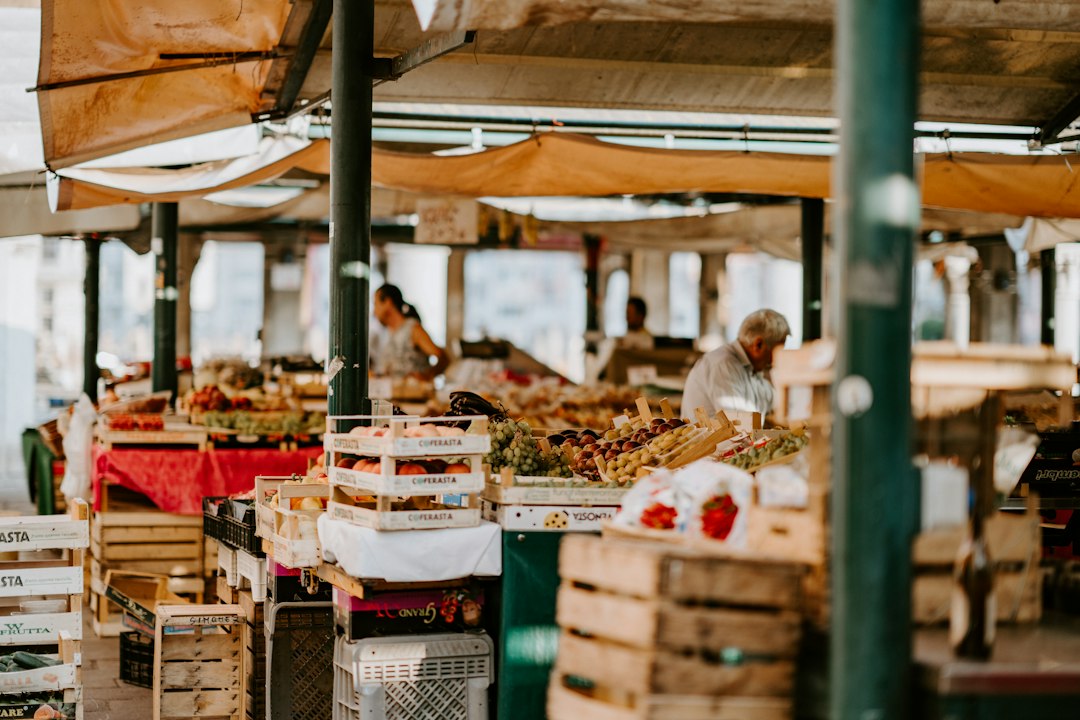
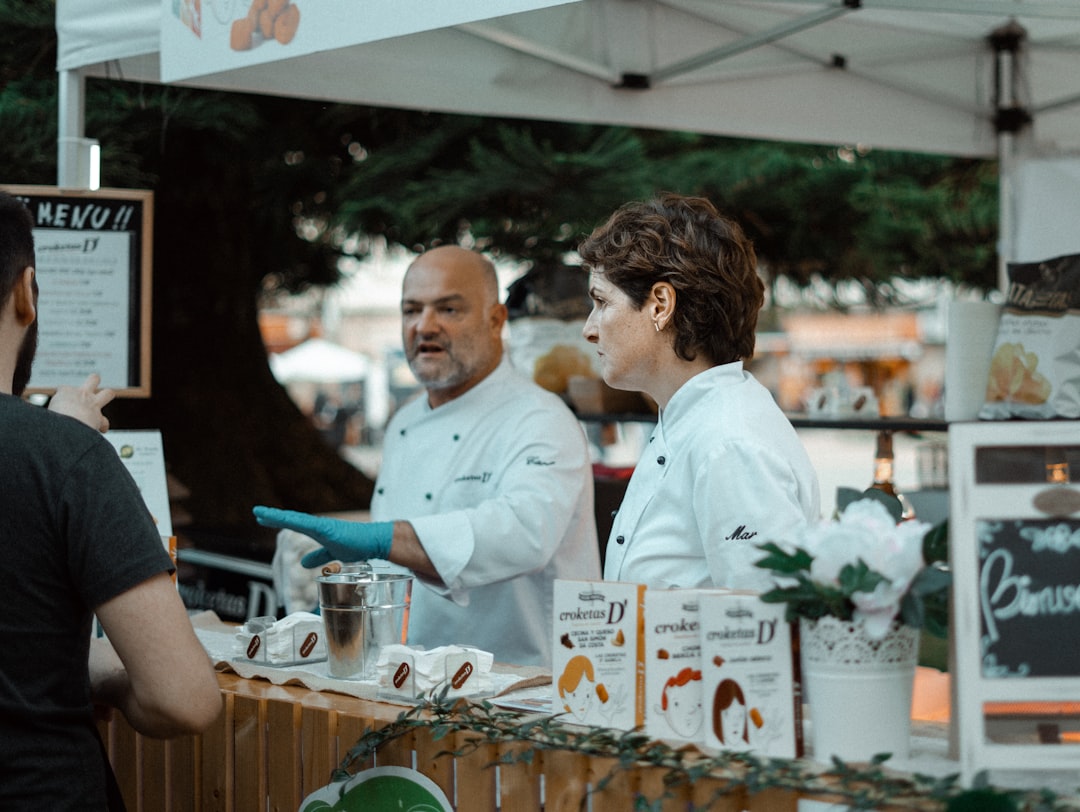
More than 600 producers from Italy and around the world will showcase their products at a large open-air market through the city’s streets and squares, including Piazza San Carlo, Piazza Castello, and Piazza Vittorio. Walking among them is a lesson in what the industrial food system has chosen to forget.
At Terra Madre, as in every edition of the event, the Presidia will be at the heart of the Italian and international market. Organized by region, they showcase the immense biodiversity heritage from Italy and around the world. Consider what this means in practice: a handful of farmers in Piedmont reviving a centuries-old rice variety, or a Bolivian indigenous network defending seed autonomy against global commodity pressures.
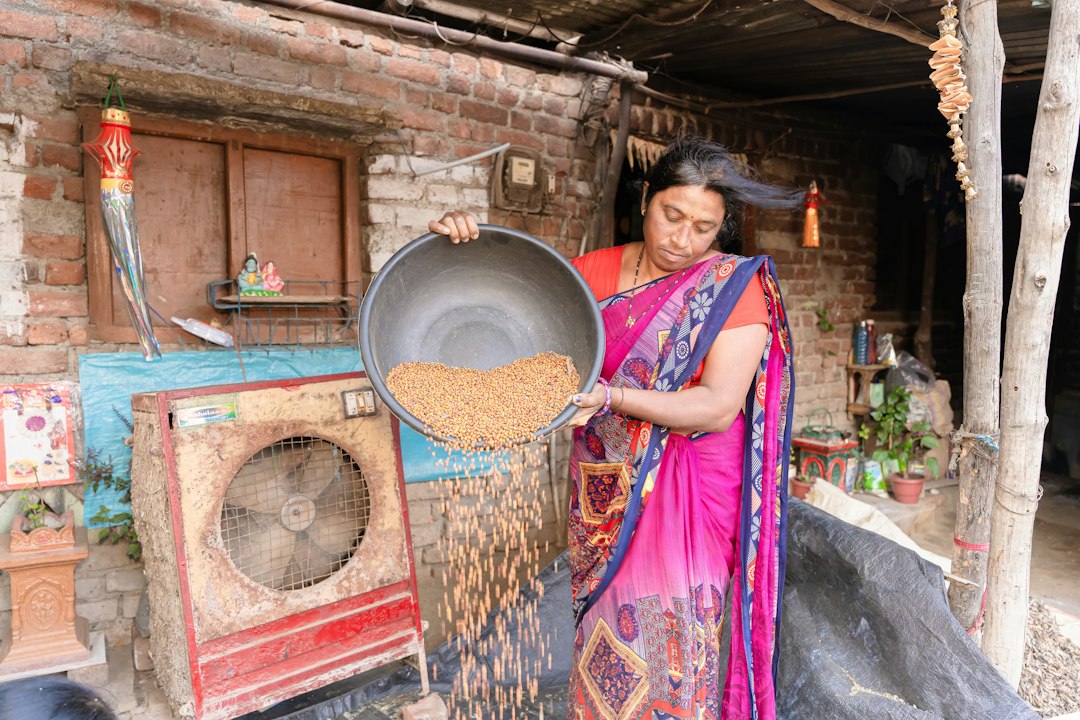
Indigenous and traditional farming systems, used and practiced by Indigenous Peoples and Local Communities over millennia, offer viable, secure, and diverse solutions to many problems caused by modern agricultural systems, such as soil and water pollution with excessive use of chemicals, water overuse, and heavy dependence on a few crop varieties globally. Terra Madre does not just celebrate this knowledge. It argues for its political and economic recognition.
-






Expert perspective on Terra Madre and food sovereignty
Terra Madre is one of the few global platforms where the word “sovereignty” carries real weight, not as a slogan but as a structural demand. When small-scale and indigenous producers walk into those piazzas in Turin, they are not presenting curiosities for urban consumers. They are presenting alternatives. The global food system currently rewards scale, uniformity, and speed, three values that destroy the very diversity that makes food resilient. What events like Terra Madre do is build the evidence base and the political will to change that. Biodiversity and food sovereignty are not competing with productivity. In every well-documented case, indigenous farming systems that receive proper support outperform monocultures on nutrition, environmental impact, and long-term yield stability. The conversation in Turin is urgent precisely because the window for systemic change is narrow.
Industry perspective, sustainable food systems and food sovereignty professionals
The Latin American thread running through Turin
From where I stand, rooted in the breadth of Latin American culinary tradition, Terra Madre is not a foreign festival. It is a mirror. The Bolivian indigenous producers defending their potato varieties, the Colombian communities rebuilding rural-urban food connections, the Mesoamerican seed guardians protecting milpa systems: these are the seed guardians facing land grabs, young indigenous farmers defending milpa systems, women preserving fermented foods at risk of disappearing.
From safeguarding native seeds in Indonesia to strengthening rural-urban connections in Colombia, the logic is the same. Small communities hold the most precise knowledge of how to grow food in a specific place, under specific conditions, for specific people. That knowledge cannot be digitized or scaled. It must be lived, transmitted, and respected.
Indigenous crops, traditional knowledge, and local food systems are increasingly being recognized as essential building blocks for healthier communities, sustainable livelihoods, and resilient food systems. Turin in September 2026 is where this recognition becomes a public and political act.
Conclusion: what Terra Madre asks of all of us
Terra Madre is not a passive event. Over the course of 4 days, the event hosts discussions between those who work daily within the food system and those who make political decisions, in search of concrete solutions to ensure good, clean, and fair food for all. Terra Madre asks every person who eats to consider where their food comes from, who grew it, and what that producer receives in return. For those of us who believe that Latin American and indigenous food traditions carry some of the deepest culinary intelligence on Earth, this event is a call to action. Support the producers who preserve biodiversity. Learn the names of the varieties in your market. And if you can, go to Turin. Let Terra Madre change how you think about food, because that change is overdue.
Discover more about Terra Madre
- Terra Madre Salone del Gusto 2026 Official Site
- Key lessons from Indigenous Peoples and Local Communities’ farming systems (Frontiers in Sustainable Food Systems, 2026)
- From conflict to climate disruption: why Slow Food will debate the future of food at Terra Madre 2026 (Slow Food, July 2026)