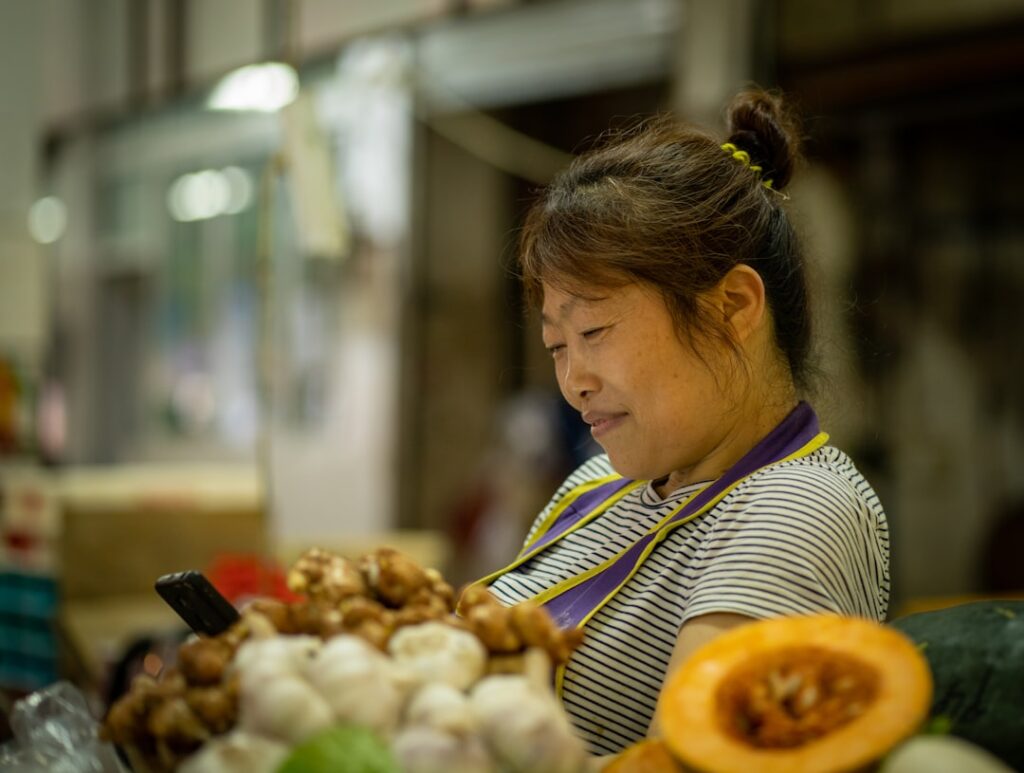
Depachika, the gourmet basement halls of Tokyo’s great department stores, offer gluten-free shoppers something rare: a full week of elegant, naturally safe, ready-to-eat food gathered in one beautifully orchestrated space.
What makes depachika safe for gluten-free shopping
A depachika is a premium food hall located on the B1, and sometimes B2, floor of department stores such as Isetan, Mitsukoshi, Takashimaya, and Daimaru. The format traces its character back to Japanese culinary philosophy. Unlike standard supermarkets, the emphasis here is on presentation, quality, and the culture of gift-giving. For a gluten-free visitor, this matters enormously. Each vendor specializes in a single category, so the risk of cross-contamination is lower than in a general kitchen.
Almost all Tokyo department stores have basement food floors where you can choose from a wide selection of raw and prepared foods. Good choices include ready-made sushi assortments, fruit and vegetables, and Japanese sweets made with mochi and sweet beans. The key is knowing which counters to approach and which to avoid. Naturally, any stall using wheat-based sauces or battered items requires careful questioning before you buy.
Isetan Shinjuku: the most curated depachika in Tokyo
Over a century old, Shinjuku Isetan is home to one of the largest depachika in Tokyo, and its food selection is one of the most prestigious. The basement floor is organized with the precision of a French atelier. There are in-store sommeliers selling boutique sake and top-shelf Japanese whisky, as well as ornate bento boxes, a wide selection of intricate wagashi, and counters from revered French patisseries.
For gluten-free shoppers, the sashimi counters are the most reliable first stop. Freshly sliced fish arrives each morning, presented in small lacquered trays. In the basement of many department stores in Japan you find meticulously prepared Japanese dishes and bentos, including traditional Japanese sweets such as mochi and daifuku, which are gluten-free because they are made from rice and red bean paste. At Isetan, those wagashi counters stand out for their variety and their beauty.

Mitsukoshi Ginza: elegance in Tokyo’s most refined district
Mitsukoshi Ginza features an extensive depachika for shoppers in Tokyo’s most exclusive retail district. The hall carries a calm, almost ceremonial atmosphere. Vendors arrange seasonal fruits, premium sashimi platters, and hand-formed onigiri with a care that recalls the French concept of mise en place. Everything on display feels considered and intentional.
Gluten-free shoppers benefit from the high turnover of fresh product here. Pickled vegetables, glossy onigiri and perfectly sliced sashimi are carefully arranged in tiny trays. Each of those items is naturally safe for people avoiding gluten. The staff at Ginza Mitsukoshi are trained to answer ingredient questions clearly, which gives an additional layer of confidence.

Takashimaya Nihonbashi: a historic hall with refined safe choices
Go to the Takashimaya depachika in Nihonbashi for the food, and stay for the elevators. Bedecked with early 20th-century embellishments, this flagship Takashimaya store has historic gilt elevators operated by white-gloved attendants. The atmosphere alone justifies a visit, but the food selection is equally strong.

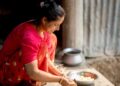

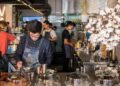
The basement level holds a dazzling array of edibles: sweet mochi in delicate pink and green boxes, glistening slices of fish and exotic seafood, oranges wrapped in tissue paper, and decorative bento boxes. For gluten-free meals, focus on the sashimi counters, the plain rice bento sections, and the wagashi vendors who specialize in rice-based confectionery. Always confirm that no soy sauce containing wheat appears in the preparation.
Expert perspective on depachika and dietary safety
Depachika culture is fundamentally aligned with the needs of careful, ingredient-conscious shoppers. The entire system is built on specialization: one vendor does only sashimi, another only wagashi, another only pickled vegetables. That separation is your greatest ally as a gluten-free customer. The challenge in Japan is that soy sauce is nearly invisible in many preparations, so the focus should remain on vendors whose entire range is inherently wheat-free. Fresh sashimi, plain steamed rice dishes, fruit, and rice-flour confectionery are the anchors of any safe depachika basket. A polite, direct question to the vendor, combined with a written Japanese allergy card, produces the best results in this environment.
Industry perspective, food allergy and dietary safety professionals in Tokyo

Tobu Ikebukuro: the largest depachika for maximum choice
Ikebukuro Tobu is Tokyo’s largest depachika, with more than 200 food stalls. The scale can feel overwhelming at first, but it works in a gluten-free shopper’s favor. More vendors means more naturally safe options across every meal category. Tobu is located on the west side of Ikebukuro station, and if 250 different vendors is not enough, there is another depachika in the Seibu department store on the eastern side of the station.
The sashimi and seafood section at Tobu runs particularly deep. You find whole salmon portions, tuna cuts in multiple grades, sea bream, and scallops, all priced clearly and packaged for immediate consumption. The fruit section, too, offers perfectly ripened seasonal produce at prices that reflect Japanese standards of quality and presentation.
Shibuya Hikarie and Tokyu Food Show: 2 halls near Shibuya station
Shibuya offers 2 strong depachika options within a short walk of each other. Shibuya’s Tokyu Toyoko-ten, at the station, is the only depachika in the city with space for tachigui, meaning stand-up eating, inside the market itself. That feature makes it ideal for a quick, safe lunch gathered directly from trusted counters.
The second option, located inside Shibuya Scramble Square, holds a significant find for gluten-free visitors. GEN-TEN is a 100% gluten-free bakery tucked into the basement of the Tokyu Food Show Edge in Shibuya Scramble Square, a convenient stop near Shibuya Station. Together, these 2 halls give gluten-free shoppers a full range of options, from fresh sashimi and mochi to certified gluten-free baked goods, all in one neighborhood.
For steep discounts, visit a depachika about 30 to 60 minutes before closing. Most ready-to-eat food items will be discounted to clear. A morning visit, however, offers the widest selection and the freshest product.
Depachika is your best tool for a gluten-free week in Tokyo
Depachika halls across Tokyo give gluten-free shoppers a reliable, beautiful, and deeply satisfying way to eat well every day. The 6 halls in this guide, from the curated precision of Isetan Shinjuku to the scale of Tobu Ikebukuro, cover the full city and every meal of the day. Each visit to a depachika becomes a small daily ritual: a careful selection, a moment of attention, and a meal prepared with craft. Carry a written allergy card in Japanese, focus on sashimi, mochi, wagashi, and plain rice dishes, and return often. Tokyo’s depachika rewards the attentive visitor with safe food that is also genuinely beautiful.
Discover more about depachika
- Japan National Tourism Organization – JNTO
- Endless Distances: Gluten-Free Tokyo Complete Guide for Celiacs
- Legal Nomads:日本への必須グルテンフリーガイド
元々TOKYOwebzineに掲載されました。